California lab loses vital Shigella vaccine data after 150 primates develop diarrhea
Around 150 research primates in California suffered severe diarrhea, resulting in the loss of crucial data for Shigella vaccine development. This incident delays vital research efforts amidst rising …
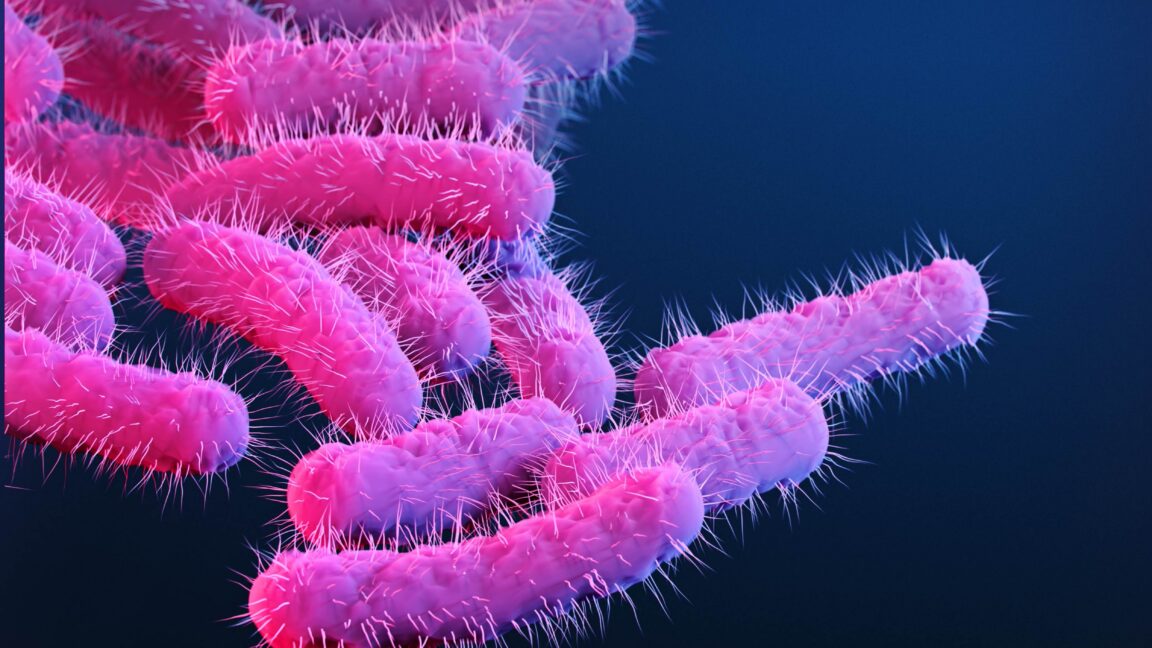
Around 150 research primates at a California facility experienced severe diarrhea, leading to the loss of valuable data for vaccine development against Shigella, a bacterium responsible for intestinal infections. The incident occurred over the past week, prompting immediate concern among scientists who rely on these animals for critical insights into vaccine efficacy and safety.
Shigella infections are a significant public health threat, particularly in developing countries, where they cause millions of cases of severe diarrhea annually. The urgency to develop an effective vaccine has grown in light of increasing antibiotic resistance and the high mortality rates associated with severe cases. Researchers have been closely monitoring the primates to gather data on how the immune system reacts to potential vaccines. The sudden onset of gastrointestinal distress in the test subjects has disrupted this essential research at a crucial moment.
Initial reports suggest that the diarrhea may have been caused by a viral infection, although full investigations are ongoing. The loss of these primates means researchers will have to start from scratch with some studies, delaying the timeline for developing a viable Shigella vaccine. This setback highlights the fragility of animal-based research and the challenges scientists face when relying on living subjects for data collection.
Looking ahead, researchers will need to consider alternative methods for vaccine testing, including using smaller animal models or even computer simulations to predict human responses. While these methods may not fully replace primate studies, they could help mitigate future risks. The incident serves as a stark reminder of the complexities involved in vaccine research and the critical need for robust protocols to protect research subjects and preserve invaluable data.
Read Full Story at Ars Technica →