Kelvin wave raises West Coast sea levels, increasing flood risks
A Kelvin wave is raising sea levels along the U.S. West Coast, exacerbating flood risks as the 2024 Super El Niño intensifies. With water levels already 2-3 inches higher, experts warn that the combi…

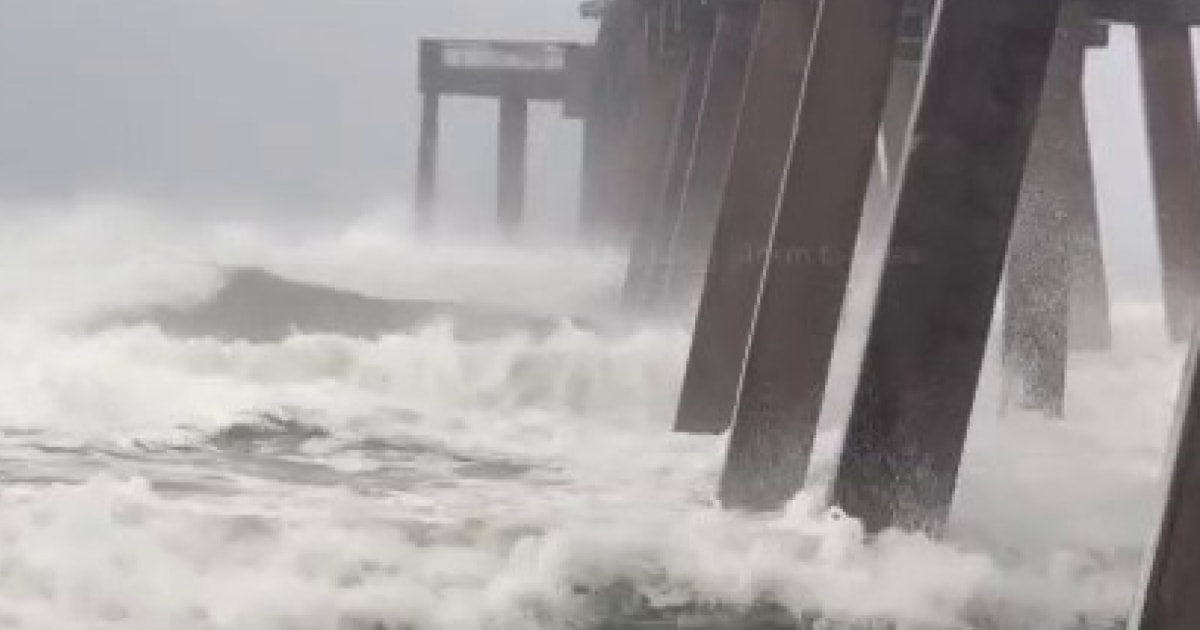
A deep‑ocean Kelvin wave is lifting sea levels along the U.S. West Coast, adding to flood risk as the “Super El Niño” of 2024 intensifies. The wave, which began in the tropical Pacific earlier this year, has already pushed water two to three inches higher than normal in Southern California. When Tropical Storm Rachel arrived in early October, the already‑elevated sea combined with storm surge to flood neighborhoods and submerge ocean‑front homes.
Kelvin waves are long, slow‑moving ripples that travel eastward along the equator during El Niño events. Warm water builds up in the western Pacific, then a wave of that heat spreads beneath the surface toward South America. When it reaches the continent’s coast, it splits and rides northward along the western shoreline of the Americas, reaching as far as Chile. The phenomenon was first described by physicist Lord Kelvin in the late 1800s, but scientists have only recently been able to model it well enough to predict its impacts. The current wave is part of the unusually strong El Niño that has warmed a vast swath of the Pacific, prompting a surge of public interest and viral videos on TikTok and X.
Experts say the wave does not cause flooding on its own, but it raises the baseline sea level, making any storm surge or high tide more damaging. “It loads the dice,” said Dillon Amaya of North Carolina State University. “You still need a trigger, like a storm or a very high tide.” Mark Cane, who helped develop the first El Niño forecast models, likened the wave to “an enormous bathtub sloshing around,” noting that its effect is gradual but far‑reaching. NASA climate scientist Josh Willis warned of a “triple whammy” when El Niño, high tides, and storm surge coincide, a scenario already seen in Southern California.
Scientists expect more Kelvin waves to follow as the ocean continues to release heat stored during the El Niño peak. Coastal managers are urged to factor the elevated baseline into flood‑risk planning and to prepare for potentially stronger storm surges later this winter. Monitoring the wave’s progress will be crucial for early warnings, especially for vulnerable communities along California, Oregon and Washington.
Read Full Story at NPR News →