'A kind of Rosetta Stone': AI decodes 217-year-old secret letter ordered by Napoleon
An engineer has utilized AI to break a previously unsolved cipher used by Napoleon Bonaparte to send secret messages to his generals — enabling us to read a 217-year-old letter for the first time. Th…
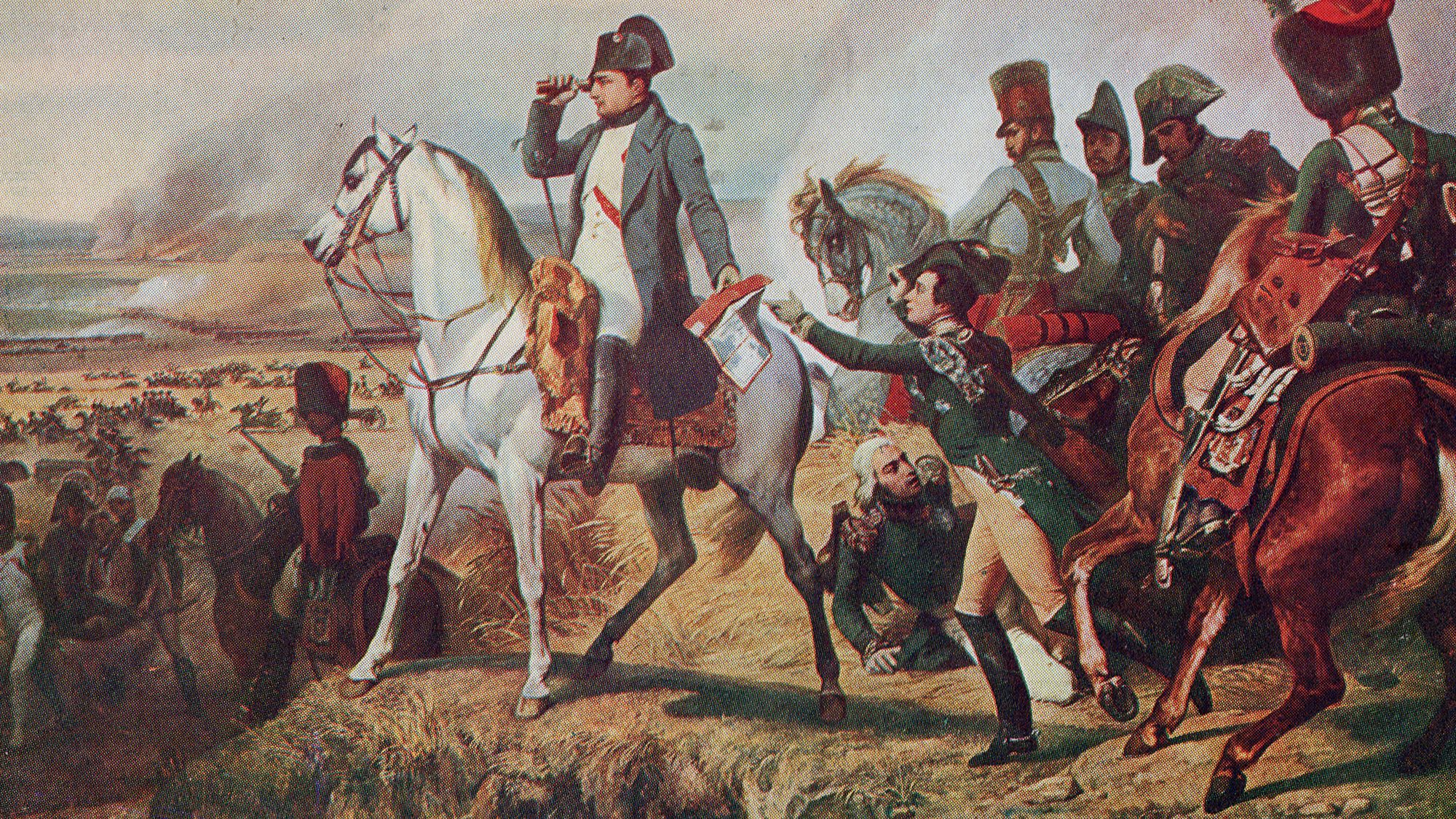
An engineer has utilized AI to break a previously unsolved cipher used by Napoleon Bonaparte to send secret messages to his generals — enabling us to read a 217-year-old letter for the first time. The announcement has historians excited about AI's potential to become a modern-day " Rosetta Stone " for translating coded historical messages.
Carter Church , an AI engineer at cybersecurity firm Sentinel One, laid out the findings in a post on X on Wednesday (Sept. 30), explaining how he gave OpenAI's new model GPT-6 Astra one prompt and one image to crack the centuries-old code. Six hours later, the task was complete.
"I didn't believe it at first," Church told Live Science in a message. "Everyone has the experience of seeing a model claim something outrageous, but the difference here though is that the solution is mechanically testable: there's essentially zero chance an incorrect key could produce coherent and historically consistent output."
The letter was sent in 1809 on Napoleon's request by his stepson Eugène, the viceroy of Italy, to Marshal Auguste de Marmont, who was stationed far from any other French troops on the eastern shore of the Adriatic Sea. The letter's purpose was to tell Marmont the position of every other French and allied army across the continent. However, to avoid revealing military secrets to France's enemies should the letter be intercepted, the message was written in code.
Church found the letter after searching for an appropriate code to break to demonstrate GPT-6 Astra's capabilities. "The verifiability of solutions is actually the most difficult part, far more difficult than generating potential solutions," Church said. "You simply cannot automate accountability."
According to Church, the only publicly available image of the letter was a low-resolution scan published in a French army journal in 1969. It contains 155 different signs — 1,300 signs in total — and the code is homophonic, meaning common letters have several interchangeable symbols.
But this low resolution scan and a single prompt was all GPT-6 Astra needed to transcribe the text and find a partial table by cryptology historian Daniel Tant — previously unlinked to this letter — that documented what 33 of the symbols meant, accounting for about a third of the letter.
Get the world’s most fascinating discoveries delivered straight to your inbox.
Read Full Story at Live Science →