Scientists at Oak Ridge convert plastic waste into 60% gasoline, diesel.
Scientists at Oak Ridge National Laboratory have created a method to convert plastic waste into gasoline and diesel fuel using aluminum-based molten salts, producing about 60% gasoline. This innovati…
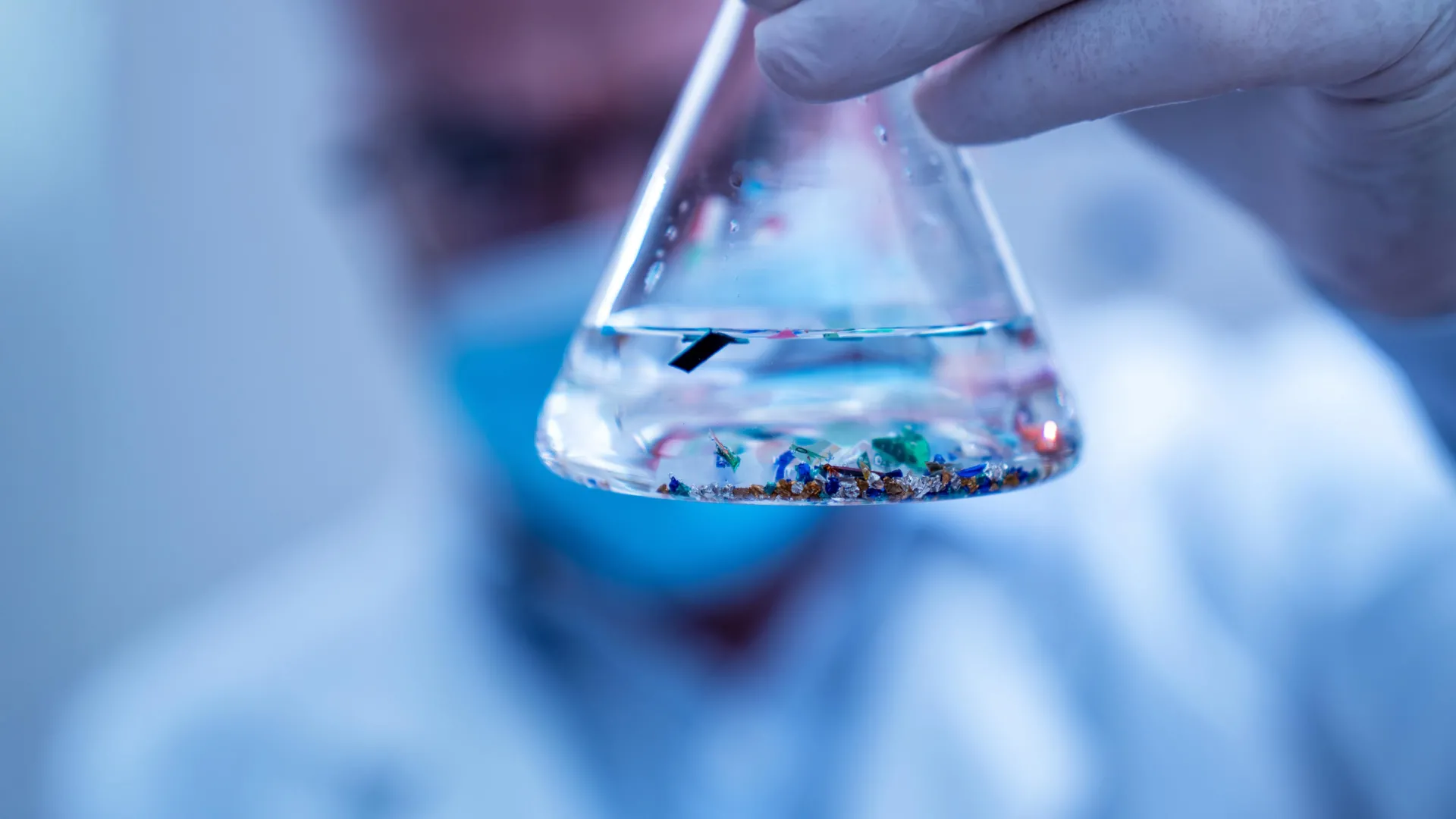
Scientists at Oak Ridge National Laboratory have developed a new method that transforms polyethylene, a common type of plastic found in shopping bags and cutting boards, into gasoline and diesel-like fuels. This innovative process utilizes inexpensive aluminum-based molten salts to break down long plastic molecules into smaller hydrocarbons. Remarkably, it produces approximately 60% gasoline under relatively mild conditions, making it a potentially game-changing solution to plastic waste.
The urgency for this breakthrough arises from the escalating global plastic crisis. Millions of tons of plastic waste end up in landfills and oceans every year, contributing to environmental degradation and posing serious threats to wildlife. Traditional recycling methods often fall short, with only a small percentage of plastics being effectively recycled. As awareness of plastic pollution grows, there is a pressing need for sustainable alternatives that can manage existing waste and reduce our reliance on fossil fuels.
The efficiency of the new process is noteworthy. By converting plastic waste into usable fuel, it not only addresses the issue of plastic disposal but also provides a way to produce energy. This dual benefit could help mitigate fossil fuel consumption and contribute to a circular economy. The researchers believe that scaling up this technology could lead to significant reductions in plastic waste while offering a renewable source of energy.
Looking ahead, the team plans to refine the process and explore its feasibility for commercial applications. If successful, this technology could revolutionize how we manage plastic waste and energy production. It highlights the potential for scientific innovation to provide practical solutions to some of the world's most pressing environmental challenges, paving the way for a more sustainable future.
Read Full Story at ScienceDaily →