AI could help win ‘race against extinction’ of vital plants, say botanists
Tech is helping to identify and save new specimens and could open ‘genomic goldmine’ of fungi data The rise of AI and digitisation could be a turning point in the “race against extinction” faced by botanists trying to identify and save vital plants before they vanish, according
Tech is helping to identify and save new specimens and could open ‘genomic goldmine’ of fungi data
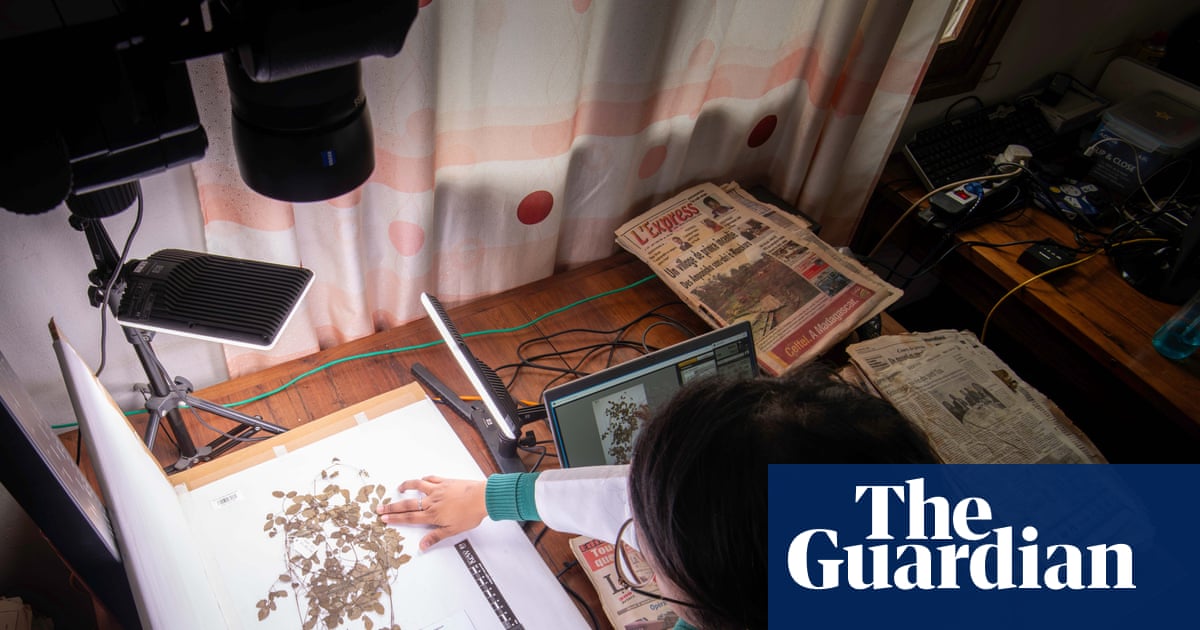
The rise of AI and digitisation could be a turning point in the “race against extinction” faced by botanists trying to identify and save vital plants before they vanish, according to a major report from Royal Botanic Gardens, Kew.
New technology is enabling scientists to track how flowering times have shifted by weeks around the world, rapidly identify new specimens and even get crucial genetic data from 180-year-old fungus specimens, potentially opening a “genomic goldmine”. Digitisation and online access to millions of specimens that were until now only accessible in archives is also producing new insights, especially in the global south.
Plants and fungi underpin all life on Earth, supplying food and medicines, storing carbon and regulating the climate. However, about 40% of the 70,000 plant species that have been assessed are at risk of extinction, while another 330,000 have yet to be analysed. There are also believed to be another 100,000 plant species still to be named by scientists.
About 2,000 new plant species are recorded each year but this “barely scratches the surface” said Prof Alexandre Antonelli, the executive director of science at RBG Kew.
It means potential new medicines and sustainable crops are going extinct before even being discovered.
The situation is even more stark for fungi, with 90% of an estimated 2m species still unknown to science and less than 1% of known species assessed for extinction risk.
“While documenting and protecting all life on Earth remain formidable challenges, digitisation and accompanying technologies make me increasingly hopeful that we’ll succeed,” said Antonelli.