Alan Guth
The M.I.T. cosmologist shares his thoughts on physics, the federal funding of science and the resilience of the scientific community Rick Friedman/rickfriedman.com/Corbis via Getty Images Alan Guth is an American theoretical physicist and cosmologist at the Massachusetts Instit
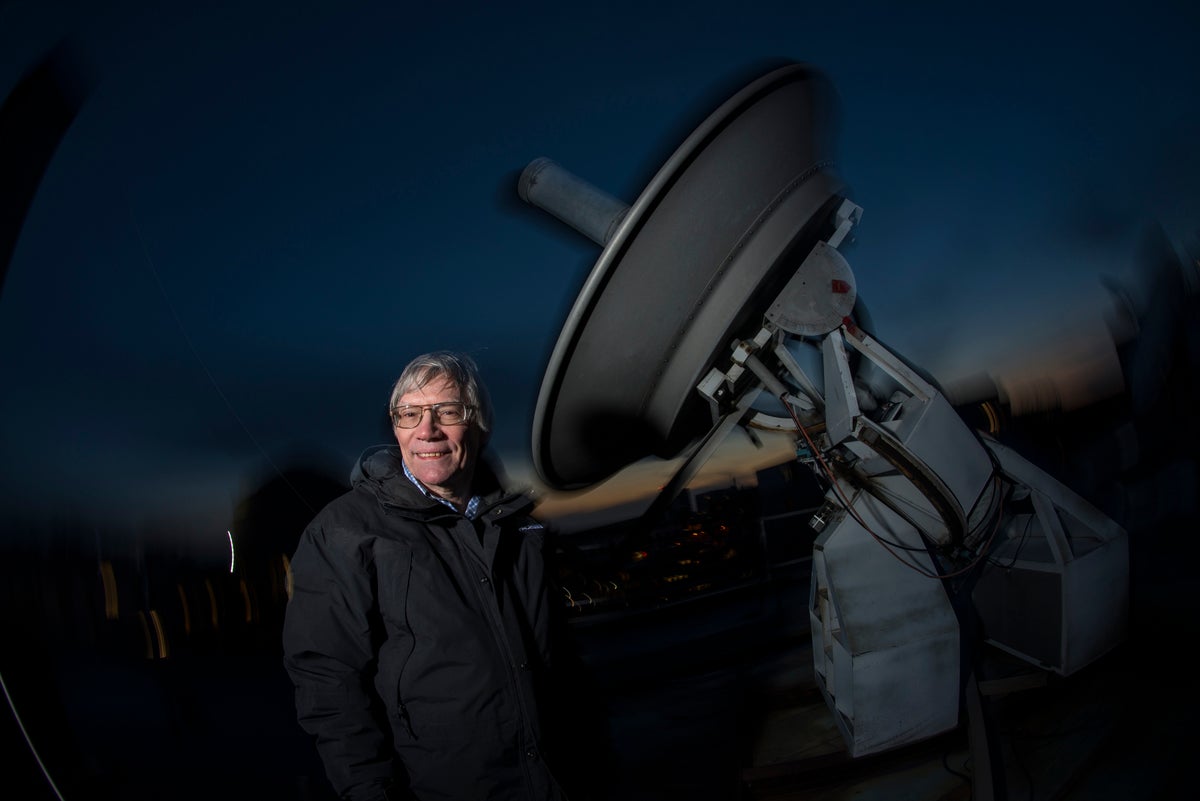
The M.I.T. cosmologist shares his thoughts on physics, the federal funding of science and the resilience of the scientific community
Alan Guth is an American theoretical physicist and cosmologist at the Massachusetts Institute of Technology. He is best known for proposing the theory of cosmic inflation, a concept that transformed modern understanding of the early universe and the evolution of the big bang.
How would you describe the current state of American science?
If you're enjoying this article, consider supporting our award-winning journalism by subscribing . By purchasing a subscription you are helping to ensure the future of impactful stories about the discoveries and ideas shaping our world today.
I think the scientific community is amazingly strong. I think the level of funding from the federal government is unfortunately very much in jeopardy right now. And I think I’m very worried that we are in a downhill stretch. I certainly hope it will be turned around at the next elections, but we have to see if that happens or not.
The main thing that I think needs to change is the attitude toward science on the part of the federal government and maybe, to some extent, on the part of the public as well. And I find it totally absurd to hear Trump talking about the “climate hoax.” In the scientific community, there are a few outliers, but by and large, there’s a pretty universal agreement among scientists that the climate crisis is real and important. That’s something that needs to be addressed, and I think what we need is a government that recognizes that.
I think what I’d say is that physics is for people who love it. To those people, I would say, “Keep fighting, and hopefully you’ll succeed.” At the same time, I would warn those people that there’s always a chance that it will not work out; they should only pursue it if they love it so much that they would feel that they still benefited even if they only got to work on it for six, seven years and then got pushed out of the field.
I would also say that the people who have been pushed out of the field, the ones I know, found things that they’re happy with. There are other interesting problems that often involve many of the same techniques that we’ve developed as theoretical physicists or experimental physicists. So there certainly is a good chance of a soft landing, even for those who are ultimately in a position where they find themselves without a job.







