Alito allows DHS to end TPS protections for 50,000 Haitians
Supreme Court Justice Samuel Alito allowed the Department of Homeland Security to end Temporary Protected Status (TPS) for nearly 50,000 Haitian immigrants, ruling Trump’s 2018 Haiti comments weren’t
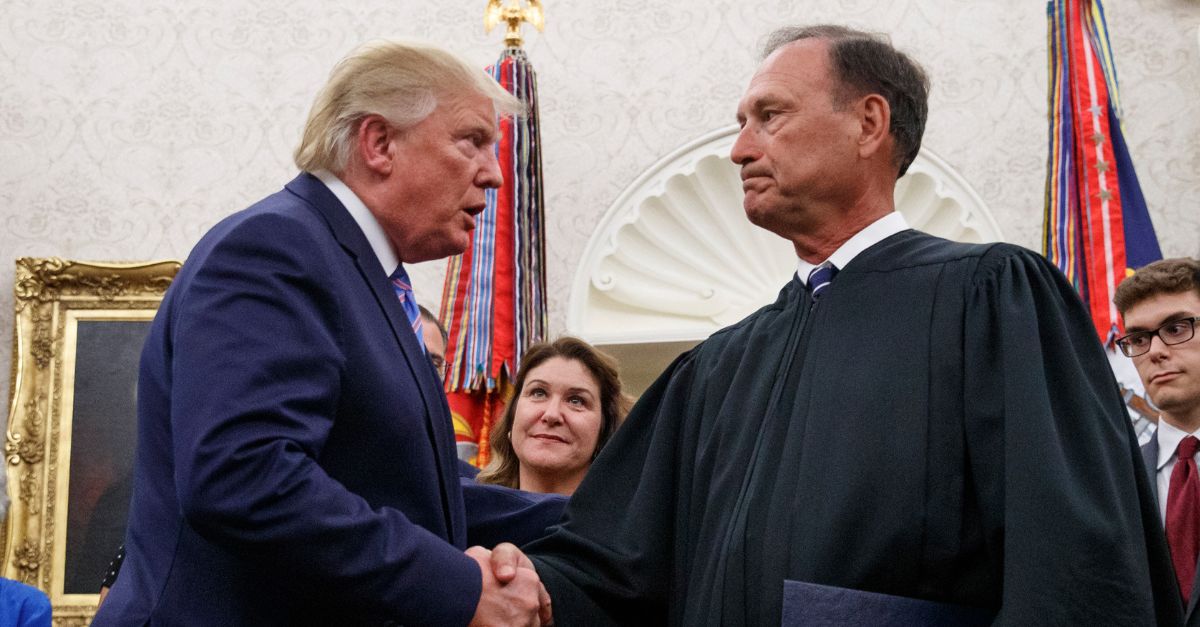
Supreme Court Justice Samuel Alito ruled Monday that the Department of Homeland Security can end humanitarian protections for Haitians, saying Donald
Read Full Story at Law & Crime →Why This Matters
The Supreme Court's intervention in immigration policy through Justice Alito's decision underscores the judiciary's pivotal role in shaping humanitarian protections. This ruling signals a narrowing pathway for vulnerable populations to challenge executive decisions that could leave them vulnerable to deportation, raising constitutional questions about due process in immigration enforcement.
Background Context
Temporary Protected Status (TPS) has historically provided a lifeline to immigrants from countries facing armed conflict, natural disasters, or other crises. The Trump administration's attempt to end protections for Haitians in 2018 was met with legal challenges, including debates over whether racial animus played a role in the decision—a question the Court has now effectively sidestepped.
What Happens Next
The termination of TPS for Haitians could force thousands into uncertain legal statuses, with potential deportations looming. Litigation from immigrant rights groups may intensify, while Congress could face renewed pressure to pass permanent protections. Observers will watch closely whether this decision emboldens similar challenges against other TPS designations.
Bigger Picture
This ruling aligns with a broader pattern of judicial deference to executive authority in immigration matters, particularly under administrations with restrictive policies. It also reflects ongoing tensions between humanitarian concerns and political narratives in refugee and asylum debates, with the judiciary increasingly positioned as the final arbiter.








