Amazon study shows preserving forests best for biodiversity and carbon protection
A new Amazon study shows that preserving existing forests is the most effective strategy for protecting biodiversity and carbon, outperforming restoration efforts. This is crucial as governments face…
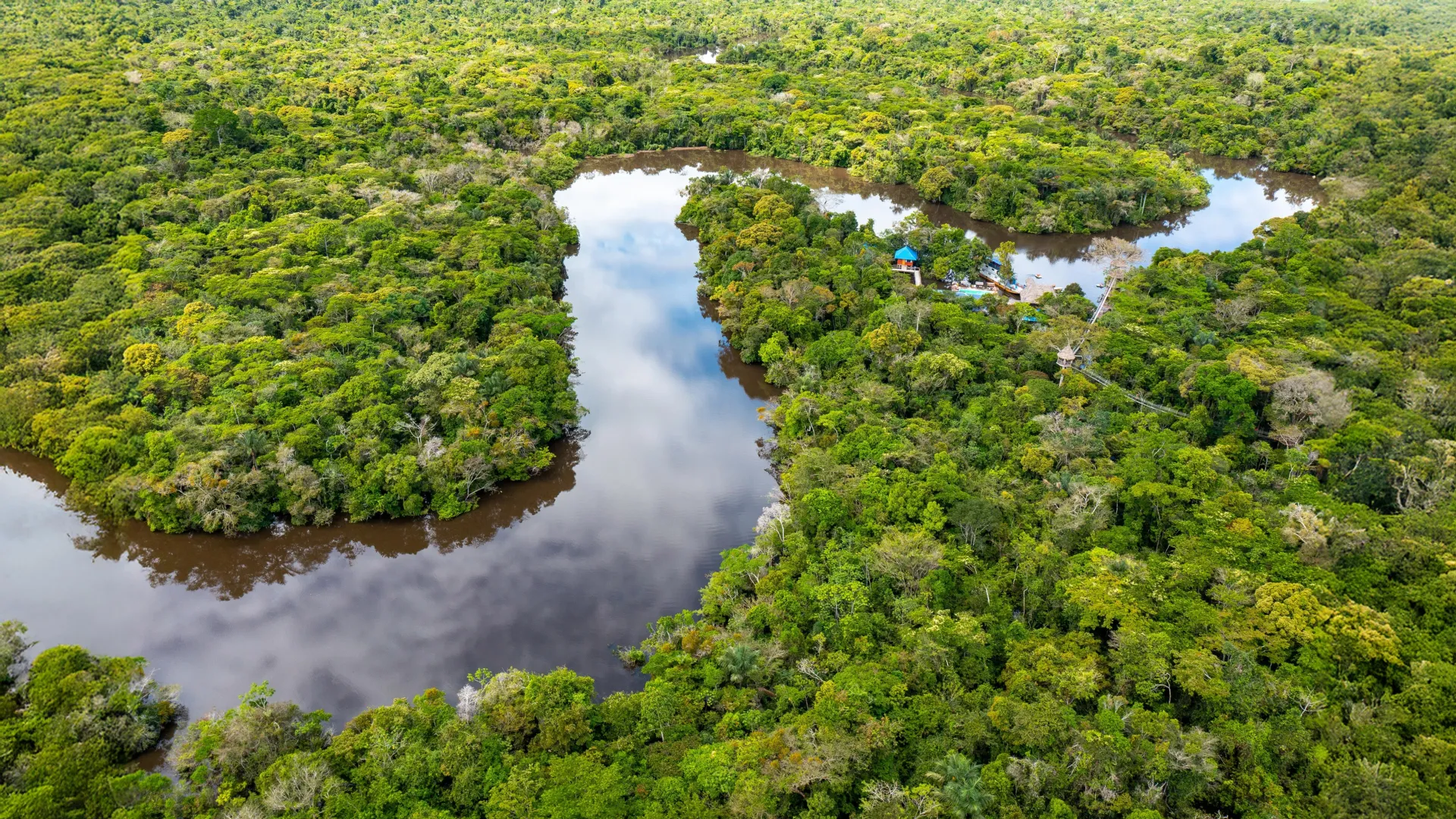
Amazon researchers say the most effective way to protect biodiversity and carbon is to keep existing forests standing, a new study released this week shows. The analysis, which examined a range of conservation actions across the Amazon basin, found that preventing damage from wildfires and illegal logging delivered the biggest gains for wildlife and almost the same carbon savings as stopping outright deforestation. The findings come as governments and NGOs scramble to meet climate and biodiversity targets under the Paris Agreement and the Convention on Biological Diversity.
The study was prompted by a surge in forest loss and fire activity in recent years, driven by expanding agriculture, mining and climate‑related droughts. Researchers used satellite data, field surveys and economic models to compare the outcomes of three main strategies: protecting intact forest, restoring cleared land and a mix of both. They discovered that safeguarding trees that are already alive provides immediate benefits, while restoration, though still valuable, costs more and takes longer to deliver comparable results.
In numbers, the model showed that halting fires and logging could preserve up to 30 percent more species‑rich habitats than focusing solely on replanting. Carbon storage under this approach was just 5 percent lower than a scenario where deforestation is completely stopped, indicating that protecting standing forest is nearly as good for climate mitigation. Restoration projects, especially in areas where forest cover has been reduced to less than 20 percent, still contributed to biodiversity recovery, but required up to twice the investment per tonne of carbon stored.
The authors say policymakers should prioritize strict enforcement against illegal logging and fire suppression, while still funding targeted restoration in heavily degraded zones. If governments shift funding toward these proven protection measures, the Amazon could retain its role as a global carbon sink and a refuge for countless species, buying time for longer‑term restoration efforts to take hold.
Read Full Story at ScienceDaily →