Pew poll shows 53% view Trump as a threat to democracy
A recent Pew Research poll indicates that 53% of Americans view former President Trump as a threat to democracy, with a significant rise in Republicans and evangelicals seeing empathy as dangerous. T…
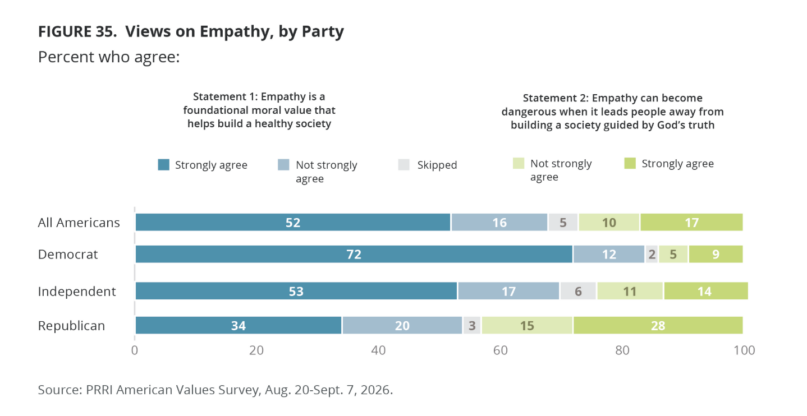
A new poll released on Tuesday, Oct. 20, by the Pew Research Center’s Religion and Public Life Project found that a growing share of Republicans and evangelical Christians view empathy as a threat to society’s moral direction, and that more than half of all Americans now see former President Donald Trump as a danger to democracy. The survey, which interviewed 2,200 adults nationwide, marks the first time the PRRI has asked respondents to link empathy directly to religious and political identity.
The findings arrive as the 2024 midterm elections loom, a contest that will decide control of Congress and shape the next president’s ability to advance his agenda. Over the past two years, political discourse has become increasingly moralized, with both parties framing policy debates in terms of cultural survival. Evangelical leaders have warned that “soft” values erode biblical standards, while many Republicans argue that empathy can undermine law‑and‑order priorities. At the same time, the Trump factor has sharpened divisions; his repeated claims of election fraud and ongoing legal challenges have kept the former president at the center of national debate, prompting voters to reassess his impact on democratic institutions.
The poll shows 53 % of respondents describing Trump as a “threat to democracy,” up from 41 % in a similar 2022 survey. Among self‑identified Republicans, 38 % now say empathy is “dangerous,” compared with 22 % a year earlier. Evangelicals echo that sentiment, with 45 % linking empathy to moral decay. Democratic leaders have seized on the numbers, calling them evidence that the GOP is drifting toward authoritarianism. Republican strategists, however, argue the data reflects a backlash against what they call “political correctness.” As campaign season intensifies, both parties are likely to use the empathy gap narrative to mobilize their bases, while voters will weigh whether the perceived threat to democracy outweighs concerns about cultural change. The next few weeks will test whether these attitudes translate into ballot‑box outcomes.
Read Full Story at Religion News Service →