Nepal requests $20 million for floods, covering just 0.7% of costs
Nepal requested $20 million from the UN loss-and-damage fund, covering just 0.7% of the $3.3 billion cost of recent floods that killed 80 people. This disparity highlights the inadequacy of current c…
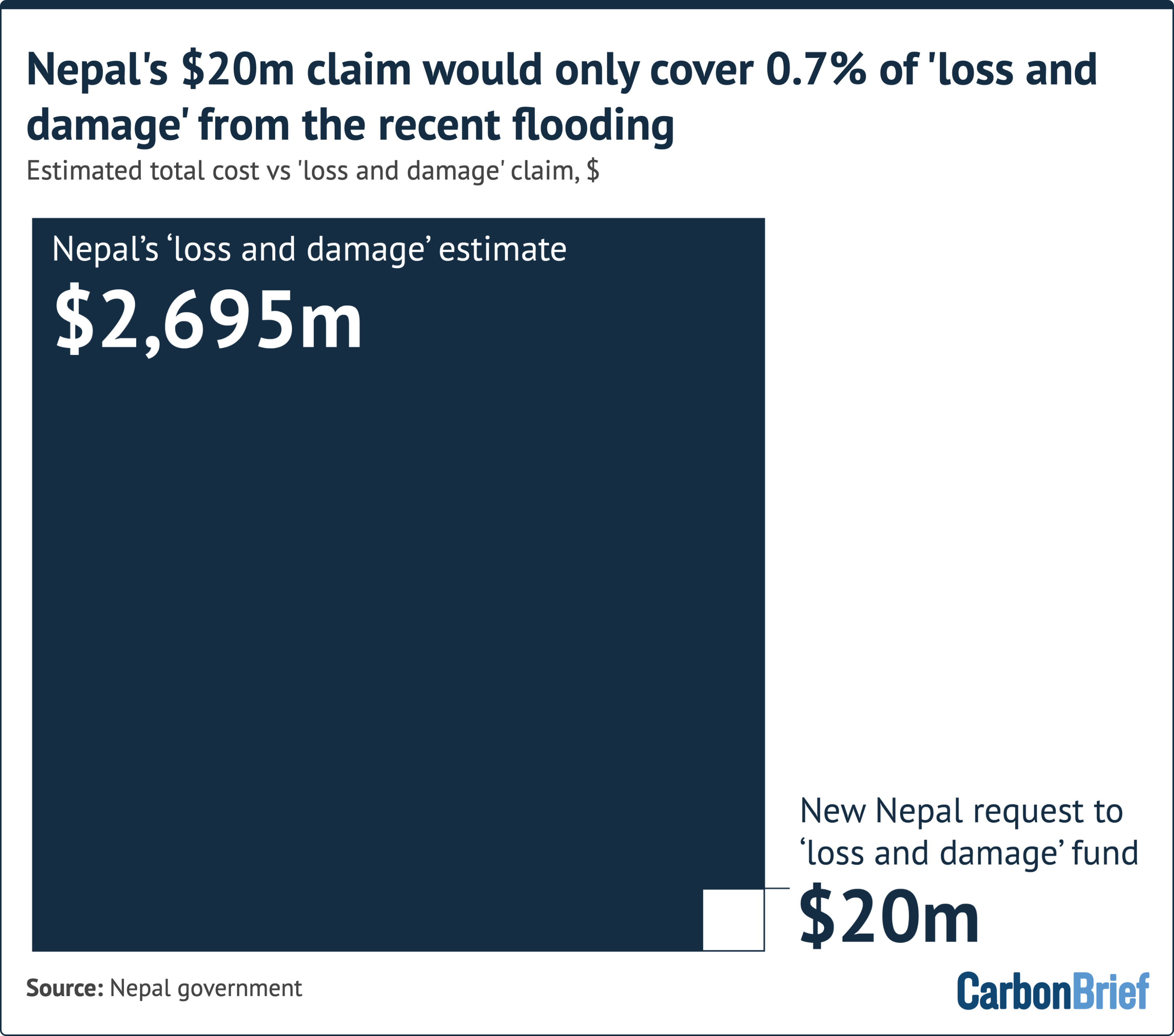
The Nepali government has requested $20 million from the United Nations “loss‑and‑damage” fund for flood relief, a figure that covers only 0.7 percent of the estimated $3.3 billion cost of the January‑February floods that swept through the country. The request was filed on Tuesday in Geneva, after the floods left 80 people dead, displaced more than 1.2 million, and damaged roads, bridges, schools and irrigation systems across the Himalayan foothills. The UN fund, established at COP27 in 2022, is designed to help vulnerable countries recover from climate‑related disasters that are increasingly out of their fiscal reach.
Climate scientists say the floods were driven by an unusually intense monsoon, amplified by rising temperatures and glacier melt in the Himalayas. Nepal sits on a steep, water‑rich landscape that makes it prone to flash floods and landslides. The country has faced similar catastrophes before, most recently in 2015 when an earthquake triggered landslides that killed 9,000 people. The loss‑and‑damage fund was created to address the gap left by traditional climate finance mechanisms, which have struggled to cover the full costs of adaptation and disaster response in low‑income nations.
The $20 million request covers the repair of 700 bridges, 1,500 schools, and the reconstruction of 10,000 homes, as well as the restoration of irrigation channels that support 500,000 hectares of cropland. Nepali officials say the figure is a baseline; they expect to submit a more detailed claim that could push the total to $30 million. International donors have praised Nepal’s proactive approach, but the UN’s loss‑and‑damage fund has a capped budget of $1.8 billion for all claimant countries, and the review process can take months. Critics argue that the fund’s limited resources mean many affected nations will still face large gaps in recovery funding.
If the claim is approved, the money will be disbursed over the next 12 months, enabling immediate repairs and providing a buffer against future climate shocks. The case underscores the growing need for robust climate finance mechanisms and the challenges small, mountainous nations face in securing adequate support. It also highlights the broader debate over how global institutions should allocate resources to meet the escalating costs of climate‑induced disasters.
Read Full Story at Carbon Brief →