At least 24 killed in Kashmir as protests spark shutdown
At least 24 people in Pakistan-administered Kashmir have been killed in nearly two weeks of protests that have sparked a territory-wide shutdown.
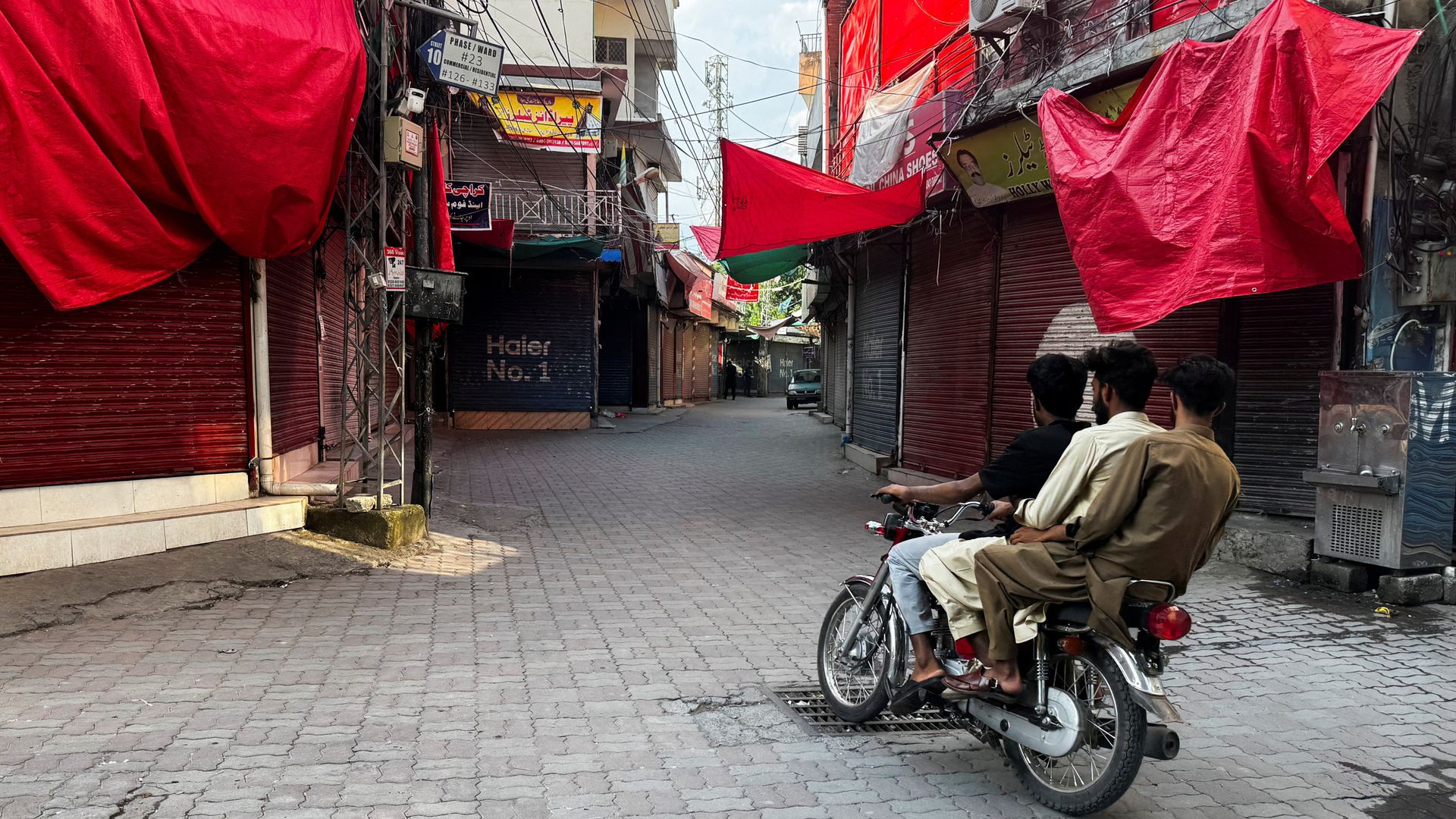
Sky News — 19 June 2026
Text:
7
0
0
At least 24 people in Pakistan-administered Kashmir have been killed in nearly two weeks of protests that have sparked a territory-wide shutdown. Thi
Read Full Story at Sky News →
⚡ Quickyla Analysis
Original editorial context — not sourced from the article above
The surge of unrest in Pakistan-administered Kashmir, which has left at least 24 dead and paralyzed life across the territory, is far more than a localized crisis. It represents a combustible mix of long-simmering grievances over political autonomy, economic neglect, and the unresolved status of Kashmir itself—a flashpoint that has twice brought nuclear-armed rivals India and Pakistan to the brink of war. Protests over perceived marginalization by Islamabad, allegations of heavy-handed security responses, and frustrations with deteriorating living conditions have now erupted into what regional analysts describe as the most sustained challenge to Pakistan’s grip on Azad Kashmir in years. The territory’s status as a semi-autonomous region—officially neither fully integrated into Pakistan nor granted independence—creates a legal and political limbo that successive governments in Islamabad have exploited to avoid granting full democratic rights, while treating dissent as a security threat rather than a political demand.
This unrest also underscores a broader erosion of confidence in Pakistan’s governance model in its peripheries. Azad Kashmir’s economy, heavily reliant on remittances from overseas workers and limited cross-border trade with India, has struggled under inflation and currency devaluation, while political representation remains tightly controlled by Islamabad. The shutdowns—now in their second week—signal that public anger has breached a threshold, with calls for greater autonomy or even independence gaining traction among a younger, digitally connected generation that no longer accepts the status quo.
What happens next is uncertain. If protests persist, Islamabad may deploy additional federal forces or offer cosmetic concessions to diffuse tensions, but neither approach addresses the structural issues fueling dissent. Meanwhile, India’s government, which already claims all of Kashmir as an integral part of its territory, will be watching closely, as any escalation could draw New Delhi into the fray. The international community, often silent on Kashmir’s internal dynamics, may soon face pressure to intervene—not as a mediator between India and Pakistan, but as an observer of Pakistan’s own democratic failings.
At its core, this crisis is a reminder that Kashmir’s wounds are not just geopolitical but deeply human: a population caught between competing national narratives, denied self-determination, and now demanding to be heard on their own terms. The death toll is rising, but the reckoning may be just beginning.
Sources

🌍 World News
Man fleeing police attacked by alligator before continuing his getaway, Louisiana authorities say
🌍 World News
US crude exports hit record high in May as Iran war tightens global oil supplies

🌍 World News
Agitators outside Delaney Hall set up organized logistics operation before Newark protests began

🌍 World News
French doctors sound alarm over drinking water pollution

🌍 World News
Iran, Kuwait, Bahrain hit: Is the war in the Gulf escalating again?

🌍 World News
Four people trapped in flooded cave in Laos pulled to safety

