Australia dock workers call for 28-hour week in AI talks
Australian dock workers are demanding a 28-hour work week with no loss of pay as the use of artificial intelligence (AI) and automation expands across the country's ports. The AI push is being led by
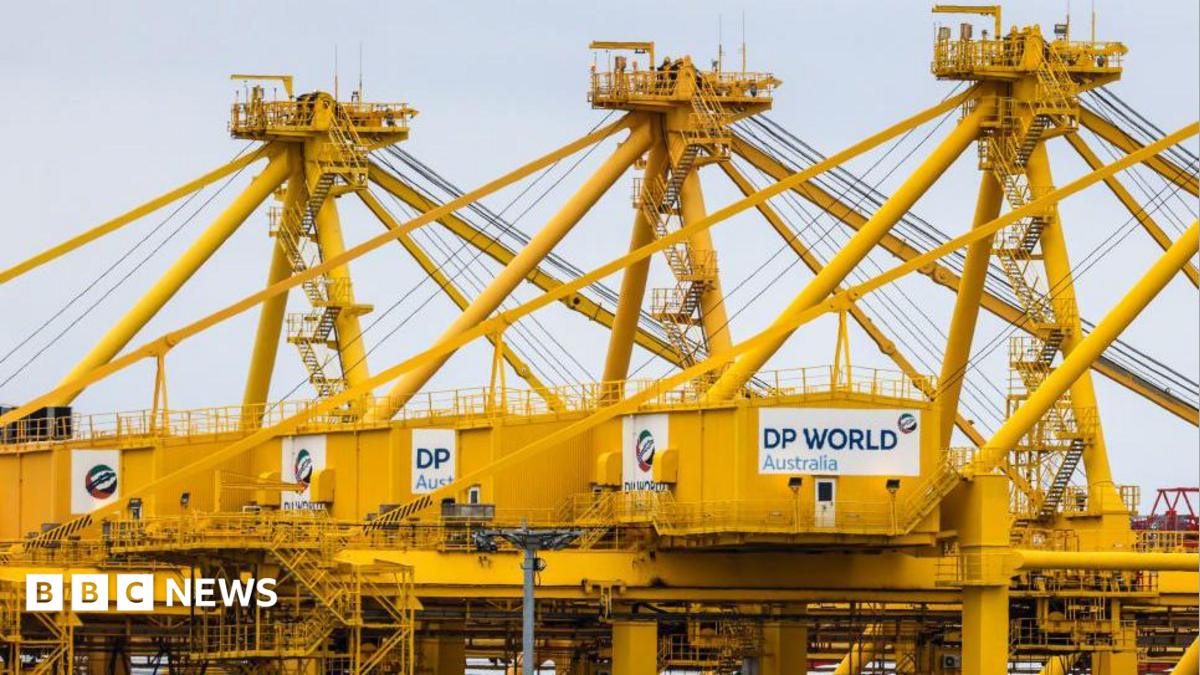
Australian dock workers are demanding a 28-hour work week with no loss of pay as the use of artificial intelligence (AI) and automation expands across
Read Full Story at BBC Business →Why This Matters
The dock workers' demand for a 28-hour week reflects a growing pushback against AI-driven labor displacement, signaling a potential turning point in how automation reshapes traditional industries. If successful, this could set a precedent for other high-risk sectors facing similar pressures, challenging the assumption that technological progress must come at the cost of worker livelihoods.
Background Context
Australia’s ports have been a flashpoint for automation debates since the 2010s, with major terminals like Port Botany and Fremantle adopting AI-driven cargo handling systems to boost efficiency. The industry’s push for automation has coincided with declining union influence, making this labor push both a test of resistance and a potential model for future negotiations.
What Happens Next
The outcome of these talks could either force a compromise on work-hour reductions or escalate into industrial action, with dock workers’ unions likely to leverage public sympathy amid concerns over job security. A resolution here may also prompt similar demands in transport, manufacturing, and logistics sectors where AI adoption is accelerating.
Bigger Picture
This dispute underscores a global tension between technological advancement and labor rights, where workers in automated industries are increasingly demanding shorter hours and stronger protections. It also highlights the risk that without proactive policy frameworks, AI’s benefits could concentrate in corporate hands while shifting the burden of disruption onto the workforce.