Guinea's bauxite boom fuels displacement despite wealth
Guinea, home to the world’s largest bauxite reserves, has seen a tenfold increase in production over 30 years, primarily for aluminium used in cars, aircraft, and renewable energy tech, with 75% of exports going to China. Mining has brought jobs and infrastructure to some areas but has also displaced farmers, damaged land, and left many communities struggling to benefit from the boom.

A Guinean mining worker and activist is caught in the middle of the country’s bauxite boom, which is reshaping lives and landscapes. Mamadou Aliou, 38, works in environmental health for a mining company but also campaigns for his village, Bembou Silaty, where land once fed families but now lies dug up for foreign-led extraction. “Before these companies arrived, we cultivated our land, and it sustained us,” he told Al Jazeera. “Now, when a piece of land is registered to a mining company, you have nothing there anymore.”
Guinea holds the world’s largest bauxite reserves—the ore used to make aluminium, a metal critical for cars, aircraft, wind turbines, and solar panels. Over the past 30 years, the country has multiplied its bauxite output tenfold. More than a dozen mining projects are now active, with most exports—around 75 percent over the last decade—headed to China, which produces 60 percent of the world’s aluminium. Companies from India, Russia, the U.S., and the UAE have rushed in, staking long-term claims. In Bembou Silaty, an Indian firm began operations in 2019 and holds rights until 2034.
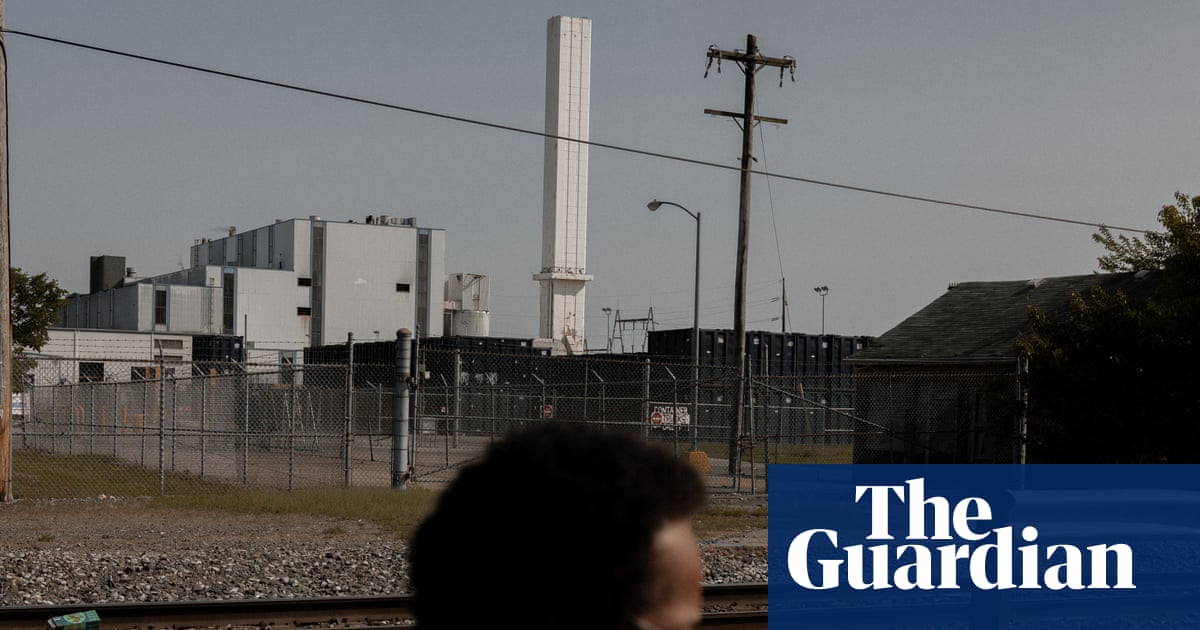
The transformation is stark. Once a quiet farming village without electricity, Bembou Silaty now sits just 2km from a sprawling, industrial mining site where excavators rumble and bauxite trucks roll through dusty roads. The contrast is jarring: lush green fields give way to roaring machinery and electric lights where none existed before. While some Guineans have landed steady jobs earning up to $300 a month in technical or logistics roles, most villagers still farm small plots with no regular income. The environmental toll is visible too—contaminated water, lost farmland, and plummeting crop yields.
The dilemma reflects a wider national story. In bauxite-rich regions like Kindia and Boke, mining has brought better roads and jobs, but many communities feel left behind. As global demand for aluminium surges with the energy transition, Guinea’s wealth is being carved out by foreign firms, raising tough questions: Who really benefits from this resource? And at what cost to the people and land that once sustained them?