BIS warns stablecoins are more like ETFs than actual money, and they're creating FX risk
BIS warns stablecoins are more like ETFs than actual money, and they're creating FX risk
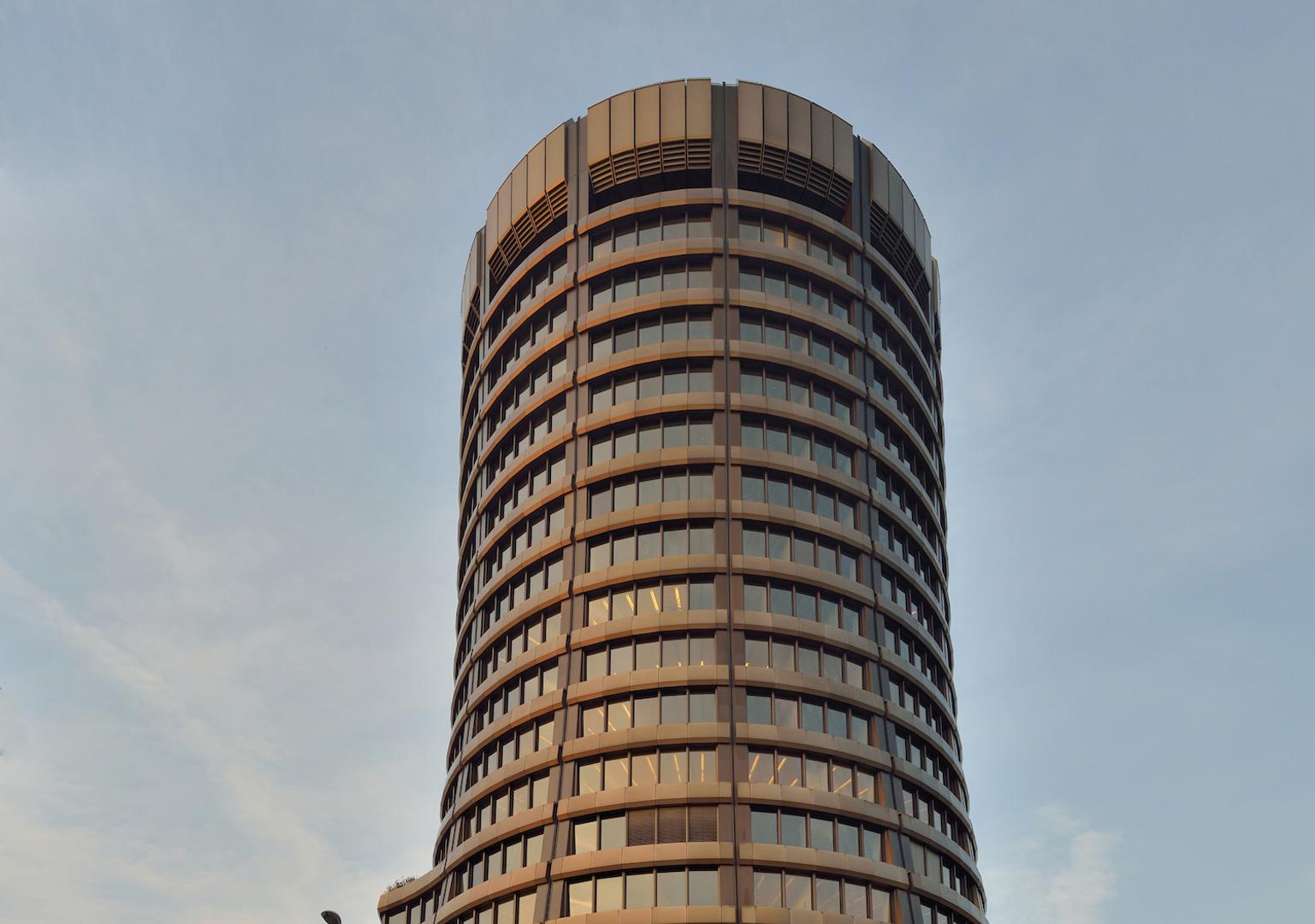
BIS warns stablecoins are more like ETFs than actual money, and they're creating FX risk
Read Full Story at CoinDesk →Why This Matters
The Bank for International Settlements' stark characterization of stablecoins as "ETFs wrapped in money's clothing" exposes a fundamental flaw in their design: they are claims on reserves rather than true mediums of exchange. This revelation threatens to destabilize the fragile trust in crypto markets, where assets marketed as safe are increasingly resembling high-risk securities. For policymakers, it forces a reckoning with whether digital assets can ever fulfill their original promise of frictionless, trustless transactions.
Background Context
Stablecoins emerged a decade ago as a bridge between volatile cryptocurrencies and traditional finance, promising parity with fiat currencies through collateralization. Yet their evolution has mirrored the broader crypto market's shift toward institutionalization, where issuers like Tether and Circle now resemble shadow banks operating in regulatory gray zones. The offshore nature of many stablecoin ecosystems—particularly in jurisdictions with lax oversight—has allowed FX risks to fester unchecked, amplifying vulnerabilities during global liquidity crunches.
What Happens Next
Regulators will likely accelerate efforts to classify stablecoins under existing securities or banking frameworks, potentially triggering mass redemptions as issuers scramble to comply. Meanwhile, the FX risks highlighted by the BIS could force exchanges and DeFi platforms to overhaul their risk management, with ripple effects for cross-border capital flows. The most pressing question is whether this intervention will come too late, as systemic exposures grow alongside adoption.
Bigger Picture
This development underscores a broader retreat from the crypto industry's early anarchic ideals toward a more centralized, compliance-driven model—one where even "stable" assets are subject to the same regulatory scrutiny as traditional financial instruments. It also signals a growing recognition that the digital economy's infrastructure cannot outpace the oversight mechanisms meant to protect it, raising doubts about the viability of decentralized finance as currently constructed.