Bitcoin taps $63K on Juneteenth as July Fed rate-hike odds near 40%
Bitcoin price action avoided volatility but failed to bounce from local lows after a hawkish Fed meeting and posturing over Strait of Hormuz control from Iran.
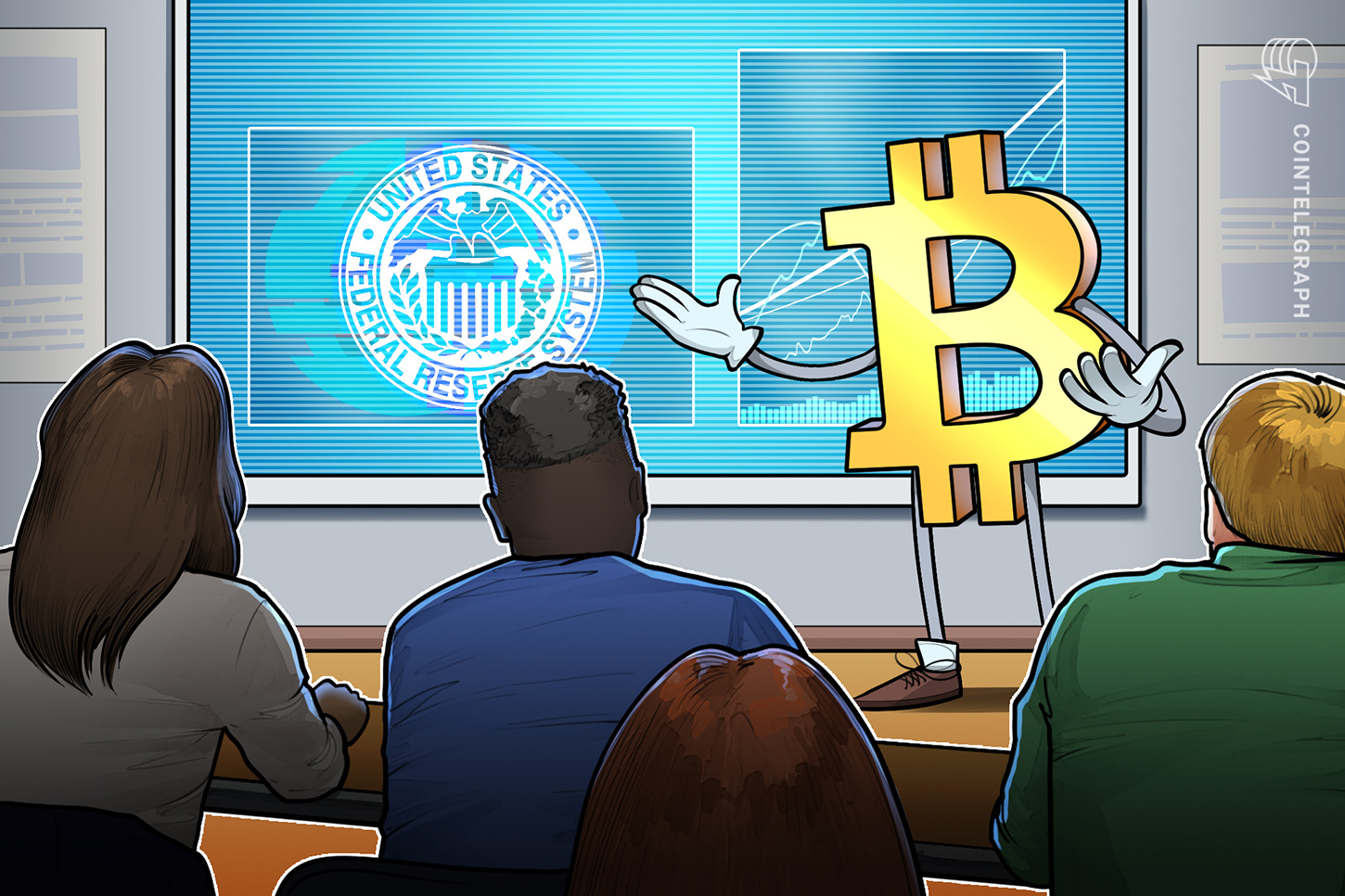
Bitcoin price action avoided volatility but failed to bounce from local lows after a hawkish Fed meeting and posturing over Strait of Hormuz control f
Read Full Story at CoinTelegraph →Bitcoin’s surge to $63,000 on Juneteenth, a holiday commemorating Black emancipation, carries layered significance beyond mere price movement. The cryptocurrency’s resilience at this level—despite a hawkish Federal Reserve and escalating geopolitical tensions—suggests a maturing market where macroeconomic pressures and external shocks no longer trigger the same degree of panic as in years past. Bitcoin’s correlation with traditional risk assets has softened, a sign that its narrative as "digital gold" is gaining traction among institutional players who see it as a hedge against both inflation and currency devaluation. The timing of this milestone during Juneteenth also invites reflection on Bitcoin’s role in financial inclusion, particularly for communities historically excluded from traditional banking systems, though this connection remains contentious. The backdrop of a hawkish Fed underscores a broader reckoning for cryptocurrencies. While Bitcoin briefly brushed $63,000, it failed to sustain gains, a reminder that macroeconomic policy still casts a long shadow over digital assets. The Federal Reserve’s stance on interest rates has historically dictated risk appetite, and with July rate-hike odds approaching 40%, the market’s sensitivity to monetary policy remains acute. Meanwhile, the Strait of Hormuz tensions add another layer of uncertainty, as geopolitical flashpoints can disrupt energy markets—a sector whose volatility often spills over into risk assets like crypto. Looking ahead, the key question is whether Bitcoin can break free from its recent trading range of $60,000 to $65,000, or if it will remain tethered to macroeconomic expectations. The July Fed meeting looms large, and if rate-hike expectations firm, Bitcoin could face renewed pressure. However, the cryptocurrency’s ability to hold steady despite these headwinds may signal growing confidence in its long-term store-of-value proposition. Another open question is how institutional adoption will evolve in this environment, particularly as traditional finance increasingly embraces Bitcoin through ETFs and other products. This moment also reflects a broader trend: the normalization of Bitcoin as a mainstream financial asset. Its movements are no longer solely driven by retail speculation or hype cycles but are increasingly influenced by macroeconomic factors and institutional participation. Whether this trend continues may depend on how well Bitcoin navigates the dual pressures of monetary policy and geopolitical risk in the months ahead.




