Scientists report 90% drop in blue whale sightings near Galápagos Islands.
Blue whale sightings around the Galápagos Islands have plummeted by 90% this year, likely due to the extreme warming caused by the strongest El Niño event on record, which disrupts their food supply.…
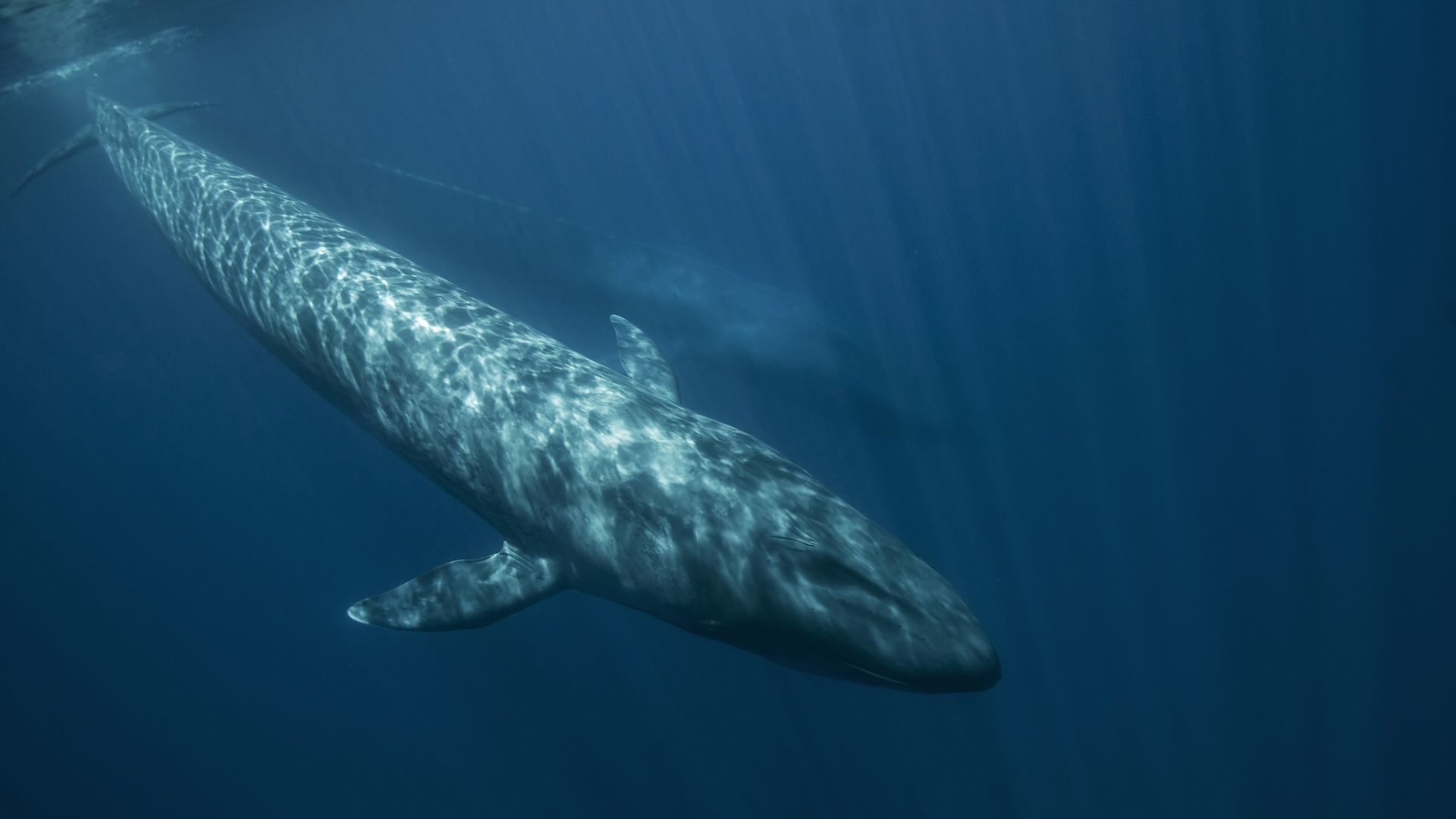
Blue whales have virtually disappeared from the waters around the Galápagos Islands, with researchers reporting a 90 percent drop in sightings this year compared with the average of the past decade. The decline was first noted in late June by teams from the Galápagos Marine Reserve who were conducting routine acoustic and visual surveys, and the pattern has persisted through August.
The sudden disappearance coincides with the strongest El Niño event on record, which has warmed surface waters by up to three degrees Celsius in the eastern Pacific. Warmer water pushes the nutrient‑rich upwellings that support krill, the main food source for blue whales, deeper below the surface. With their prey scattered farther offshore, the whales are likely moving to cooler, richer feeding grounds elsewhere. The Galápagos have long been a critical stop‑over for migrating blue whales, offering abundant krill during the austral winter, so the loss of this habitat could have ripple effects throughout the region’s marine ecosystem.
Scientists from the University of California, Santa Barbara and the Galápagos National Park have warned that the decline may be a warning sign of broader climate impacts on marine megafauna. Dr María Hernández, a marine biologist with the reserve, said the data “suggests a rapid behavioral shift that could become permanent if warming continues.” Satellite tracking of tagged whales elsewhere in the Pacific shows many have already rerouted to the South Pacific’s cooler waters. Local fishermen have reported fewer whale sightings, which could affect eco‑tourism revenue that supports conservation work.
Researchers plan to intensify monitoring through a combination of drone surveys, acoustic buoys and satellite tags to track where the whales are moving and how long the shift lasts. The findings will feed into regional climate models and inform policy discussions at the upcoming United Nations climate summit. If El Niño subsides and ocean temperatures normalize, the whales could return, but scientists stress that repeated warming events may erode the Galápagos’ role as a sanctuary for these giants of the sea.
Read Full Story at Live Science →