Cambridge experts recreate 336-year-old garden to commemorate ‘father of natural history’
John Ray, 17th-century botanist who coined words petal and pollen, was a tutor at Cambridge when he created his first garden He coined the terms petal and pollen, helped to lay the foundations of modern biology and is widely regarded as the greatest English naturalist of the 17t
John Ray, 17th-century botanist who coined words petal and pollen, was a tutor at Cambridge when he created his first garden
He coined the terms petal and pollen, helped to lay the foundations of modern biology and is widely regarded as the greatest English naturalist of the 17th century.
But it was while he was a young college tutor at Cambridge in the 1650s that the botanist John Ray – also known as “the father of natural history” – created his first known garden and began to systematically study plants for the first time.
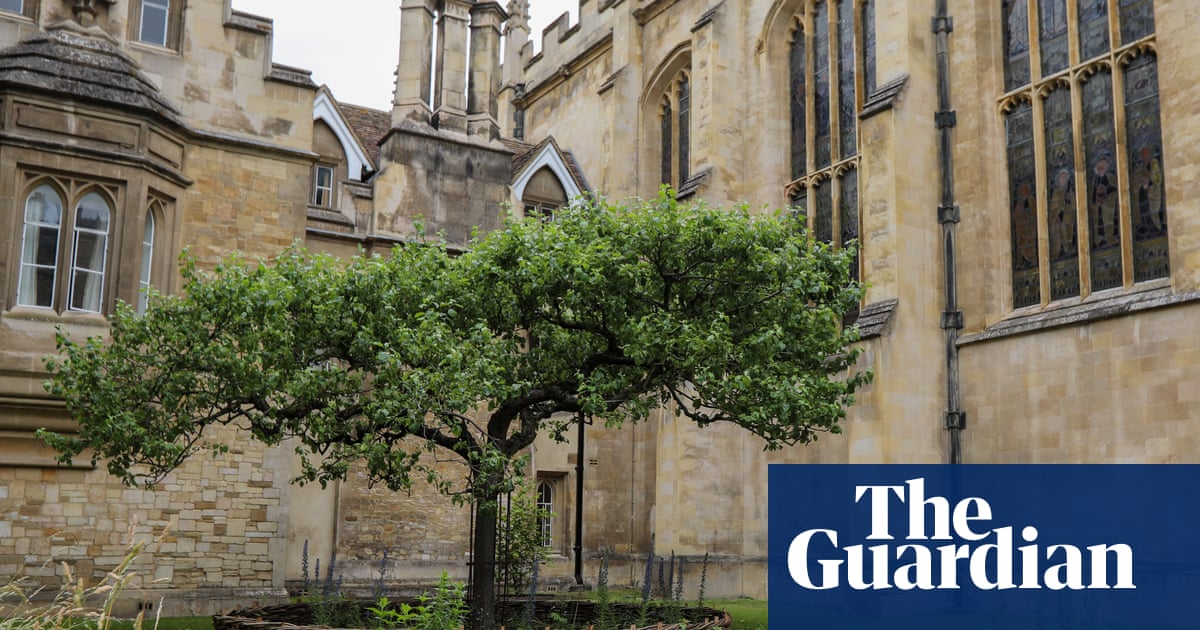
Now, gardeners at Trinity College, Cambridge have dug up their front lawn and attempted to reimagine the historic garden Ray planted in the college, to commemorate the 400th anniversary of his birth next year.
Using clues from a 1690 engraving, they have created the garden in the exact location Ray is thought to have used, in front of a descendant of an apple tree that famously inspired another trailblazing scientist and Trinity alumnus: Isaac Newton .
Ray recorded many of the plants he planted in his garden when he became the first botanist to rigorously document the flora of an English county in his landmark text, Catalogue of Plants Growing Around Cambridge, published in Latin in 1660.
“He makes references to plants, saying ‘I grew this in our little Cambridge garden’ so I had to work out what that phrase was in Latin to find out what he grew,” said the head gardener, Karen Wells. “He would go around the county collecting plants and bring them back to the garden so that he could study them.”
It is estimated Ray tried to grow about 700 different types of plants in his garden, including fenland lichens and fungi that would only survive in boggy conditions and poisonous plants like American pokeweed and Dutchman’s pipe.