CCC says UK electrification could save households £200 yearly by 2030
Accelerating UK electrification could save households £200/year by 2030 by reducing gas dependence, as CCC analysis shows. Faster adoption of heat pumps and EVs would cut bills and boost energy securi
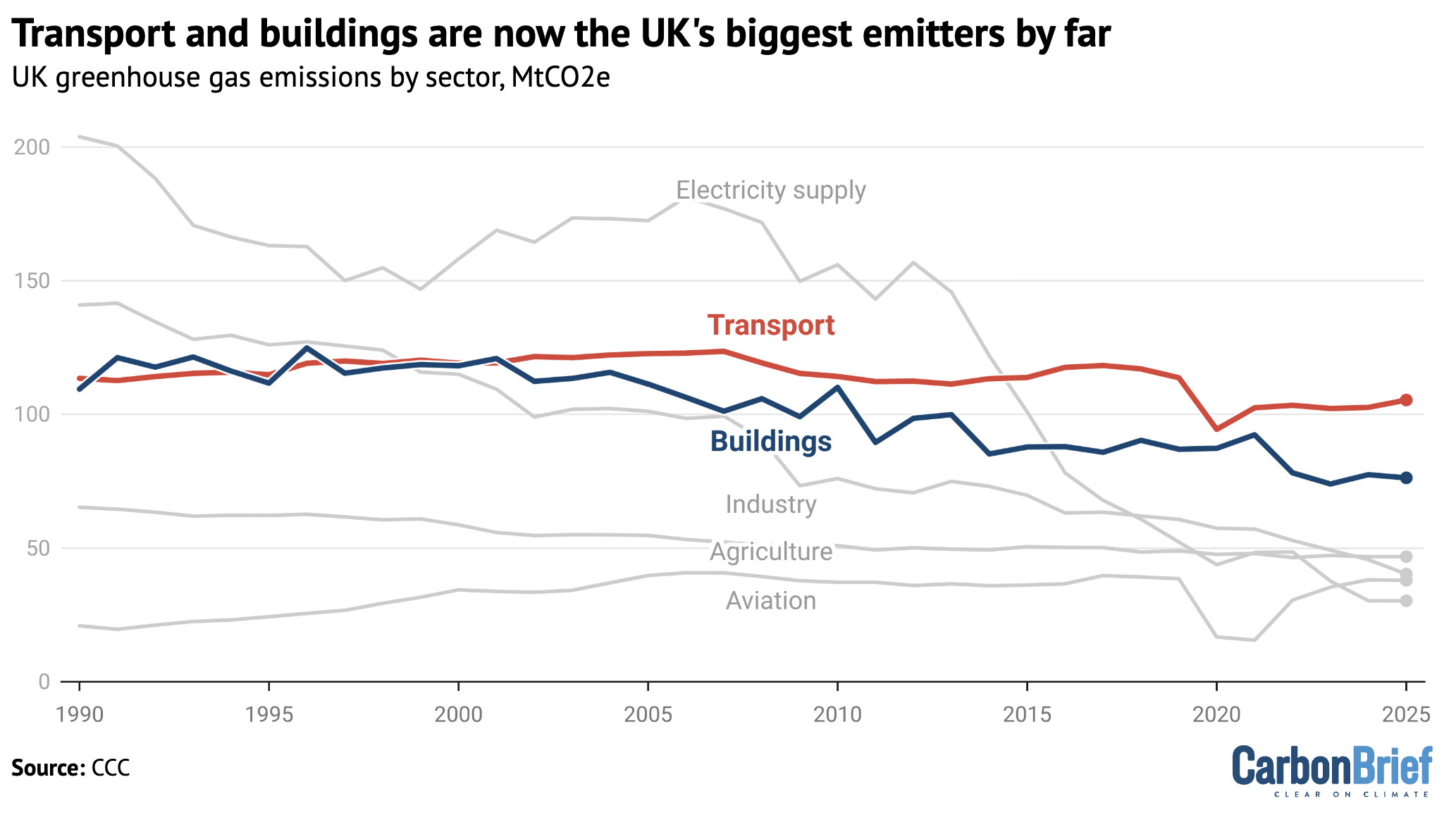
The UK’s independent climate advisers say speeding up electrification of the economy will cut household bills and reduce reliance on volatile global g
Read Full Story at Carbon Brief →Why This Matters
The Climate Change Committee's findings underscore a critical inflection point for UK energy policy, where the intersection of cost-of-living pressures and climate targets could create an unexpected political and economic win. Beyond the immediate financial relief for households, faster electrification signals a structural shift away from volatile fossil fuel markets—one that could redefine energy affordability for decades.
Background Context
Decades of underinvestment in UK energy infrastructure have left households heavily exposed to global gas price shocks, while heat pump adoption has lagged behind European peers like Sweden and Norway. Meanwhile, the government's delayed phase-out of gas boilers—coupled with inconsistent subsidies—has created a policy void that risks leaving millions locked into higher-carbon heating systems for years.
What Happens Next
Expect fierce debate over how to fund the transition, with potential clashes between fiscal prudence and the need for accelerated deployment. The CCC's timeline may pressure regulators to fast-track grid upgrades, but local planning bottlenecks could emerge as the biggest obstacle. Watch for signals from Treasury on whether household incentives will be prioritised over corporate tax breaks.
Bigger Picture
This marks a broader reckoning with the false dichotomy between economic growth and decarbonisation—a narrative that has long framed climate action as a cost rather than an investment. As other major economies pursue similar electrification pathways, the UK's ability to turn this analysis into tangible savings could set a template for balancing energy security with household prosperity.