China's influence in the gaming industry is growing
In a dark underground hideout, dim light spills from a handful of oil lamps. A comrade fiddles with a rifle. A red flag hangs on one of the roughly hewn stone walls, bearing a hammer and sickle on a …
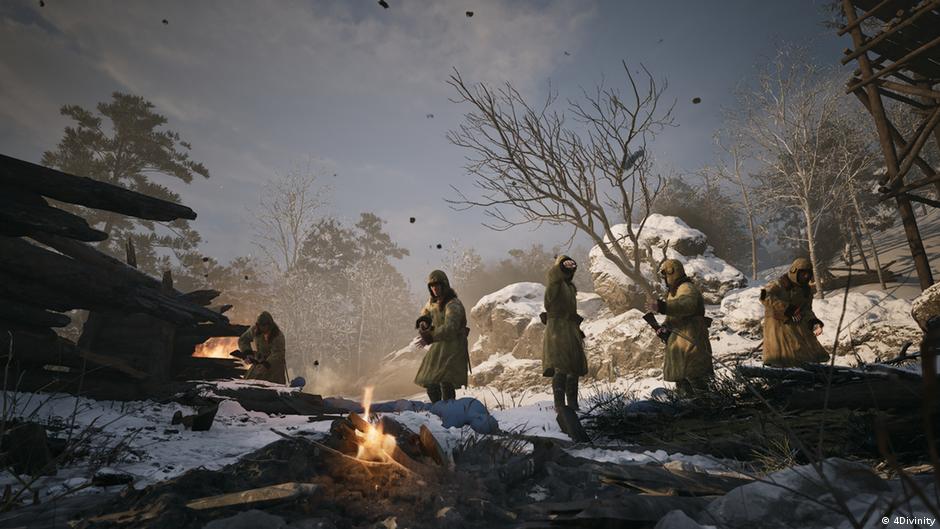
In a dark underground hideout, dim light spills from a handful of oil lamps. A comrade fiddles with a rifle. A red flag hangs on one of the roughly hewn stone walls, bearing a hammer and sickle on a white star — the symbol of the Chinese Workers' and Peasants' Red Army. Weapons are scattered on the ground. One is picked up, and soon the action moves into the snowy forest, where gunfire erupts among the trees.
Such a scene could fit in a new installment of "Call of Duty," the popular first-person shooter game that transports players to battlefields past, present, and future. But it is actually from "The Defiant." The game is currently being developed by the Chinese studio Hoothanes Technology in Hangzhou. It tells the story of Chinese forces fending off the Japanese army in the 1930s and 1940s.
Developer Connor Xu tells DW the weapons featured in the game are unique. They were used only in Asia and are therefore unfamiliar to many Western players, he says. The same goes for the story, which Xu says has never before been told in a video game .
"The Defiant" is also designed to appeal to an international audience. In just a few years, China has emerged as a major player in the global gaming industry despite strict regulations, censorship and a former ban on video game consoles.
More than 700 million people in China regularly play video games . According to market research company Newzoo, most consider gaming an important part of their lives. Many use games to stay in touch with friends.
"Games make life more interesting," developer Xu says. "I can try different roles, different stories, different characters, because we only have one life to live, but we can play a role in another story. That's really attractive, I think, to Chinese users."
People in China primarily play games on PCs and smartphones , while consoles are much less common. There are historical reasons for that: While gamers in Europe and North America debated whether PlayStation or Xbox was the better console in the early 2000s, the devices were not officially sold in China between 2000 and 2014. Chinese authorities said the restrictions were intended to protect children and teenagers from becoming addicted to gaming.
Minors in China are currently allowed to play online games for no more than three hours a week. There are no such limits for adults, but gaming is subject to strict controls. Anyone who wants to play must register using their real name and a personal identification number. That effectively allows the state to track who plays what and when, as well as whom they communicate with.
Read Full Story at DW World →