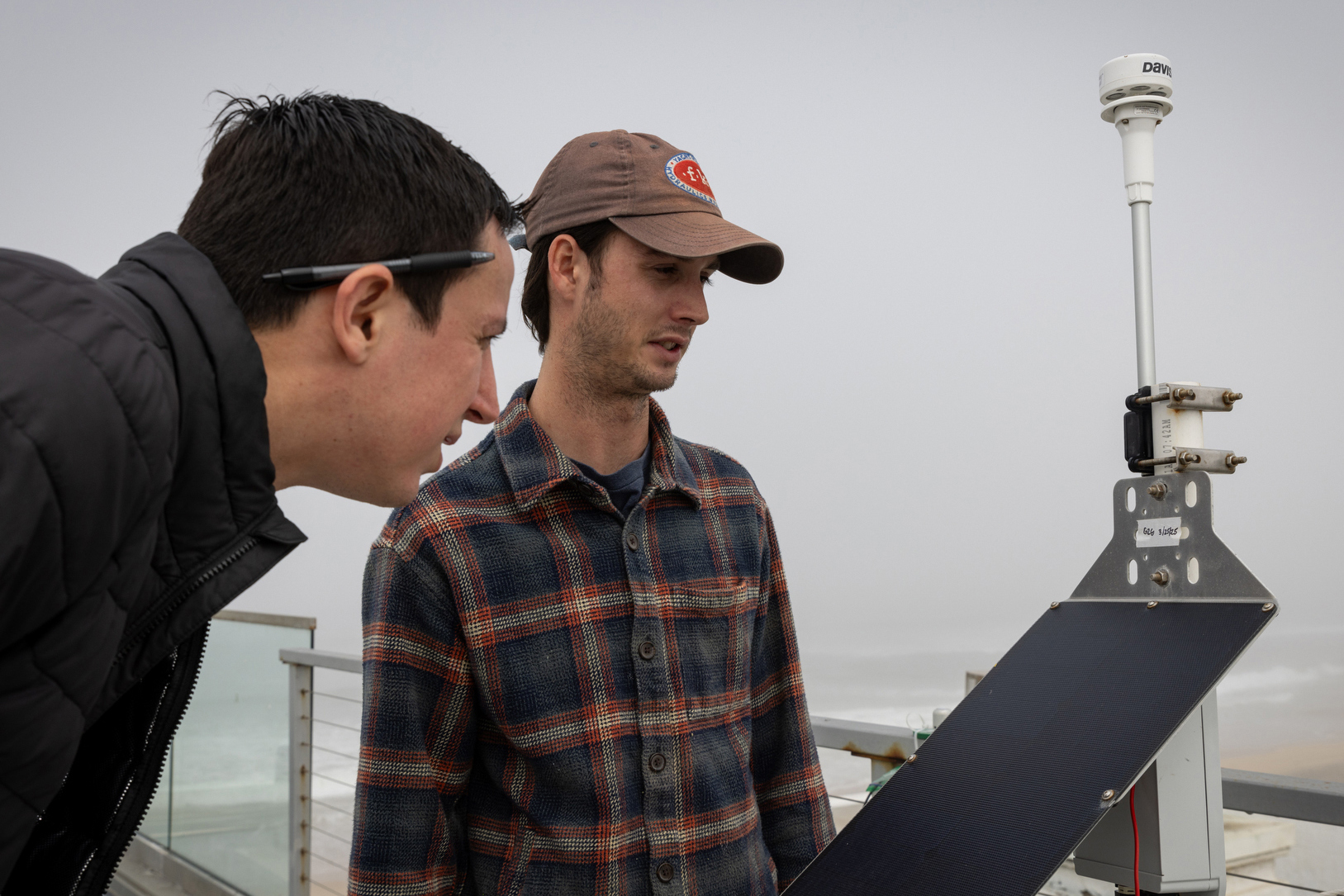
EU launches €200m Project Cosmos to track methane leaks
Climate scientists report political pressure at the Bonn Climate Conference to weaken UN reports on human-caused global warming, while the EU’s €200 million Project Cosmos launches satellites to publi
Scientists warned on Tuesday that climate research is under sustained political pressure after a leaked memo revealed European diplomats tried to wate
Read Full Story at Carbon Brief →Why This Matters
The simultaneous pushback against climate science and the acceleration of high-tech solutions like Project Cosmos signals a dangerous fracture in global climate governance. While satellites may offer unprecedented data, political interference risks undermining the very consensus needed to justify such investments, leaving societies caught between denial and unproven technological fixes.
Background Context
The Bonn Climate Conference has become a recurring battleground where fossil fuel interests and climate-vulnerable nations clash over the framing of UN reports. Meanwhile, the EU’s €200 million Project Cosmos reflects a shift toward space-based monitoring as ground-level data collection faces funding cuts and skepticism, mirroring broader trends in climate policy where visibility often trumps veracity.
What Happens Next
Watch for whether Project Cosmos’s data will be weaponized to justify weaker emissions targets, or if its transparency will expose political distortions. The tension between real-time satellite surveillance and the erosion of peer-reviewed science could redefine climate diplomacy—or deepen its paralysis, depending on who controls the narrative.
Bigger Picture
This collision of high-stakes science and geopolitical posturing underscores a widening gap between urgent climate action and institutional inertia. As governments hedge bets with both surveillance tech and policy rollbacks, the emerging pattern suggests a world where solutions are either too late or too centralized to foster the broad-based cooperation needed to meet the crisis.