Researchers aim to cut AI energy use by 2027
AI models could use 85–134 terawatt-hours yearly by 2027, risking massive energy and carbon costs. Researchers are racing to cut energy use through better hardware, algorithms, and regulations to prev
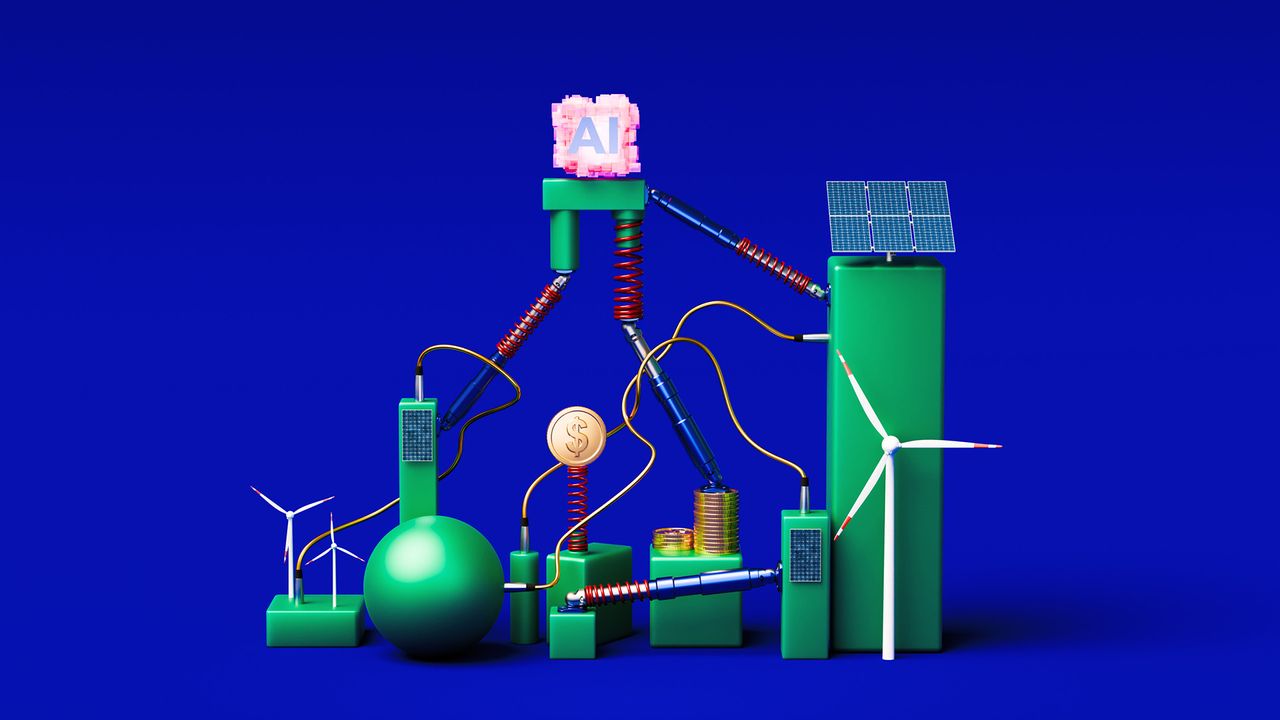
Computer scientists are racing to slash the soaring energy demands of artificial intelligence after new research showed the sector’s electricity use i
Read Full Story at Live Science →Why This Matters
The explosive growth of AI isn’t just reshaping industries—it’s quietly reshaping the planet. The projected energy consumption of AI models by 2027 could surpass the annual electricity use of entire countries, raising urgent questions about sustainability in an era where digital innovation often outpaces infrastructure. This isn’t just a technical challenge; it’s a planetary one, forcing a reckoning with the hidden costs of the AI revolution.
Background Context
AI’s energy hunger stems from its reliance on massive data centers and complex neural networks, which require continuous cooling and processing power. Early attempts to curb this appetite—like model pruning or low-precision arithmetic—have struggled to balance efficiency with performance. Meanwhile, the tech industry’s race to deploy larger models has outpaced efforts to standardize sustainable practices, leaving a patchwork of solutions that may not scale in time.
What Happens Next
Regulators may soon impose energy-efficiency standards for AI, mirroring carbon-reduction mandates in other sectors. Breakthroughs in neuromorphic computing—hardware designed to mimic the brain’s efficiency—could emerge as a game-changer, but adoption will hinge on cost and scalability. The real wildcard is whether the public and policymakers demand transparency, forcing companies to justify the energy trade-offs of their AI ambitions.
Bigger Picture
This crisis underscores a growing tension between technological progress and environmental limits, a dynamic playing out across industries from cryptocurrency to cloud computing. As AI becomes embedded in everything from healthcare to finance, its energy footprint could redefine global power dynamics, turning data centers into geopolitical flashpoints. The solution may require nothing short of a paradigm shift—rethinking how AI is built, deployed, and valued in the first place.




