Craig Venter
In his final interview, the “swashbuckling” geneticist pointed the way for science K.C. Alfred/San Diego Union-Tribune/Getty Images J. Craig Venter was a pioneer in the fields of human genomics and synthetic biology, pursuits that both put him in the spotlight and earned him th
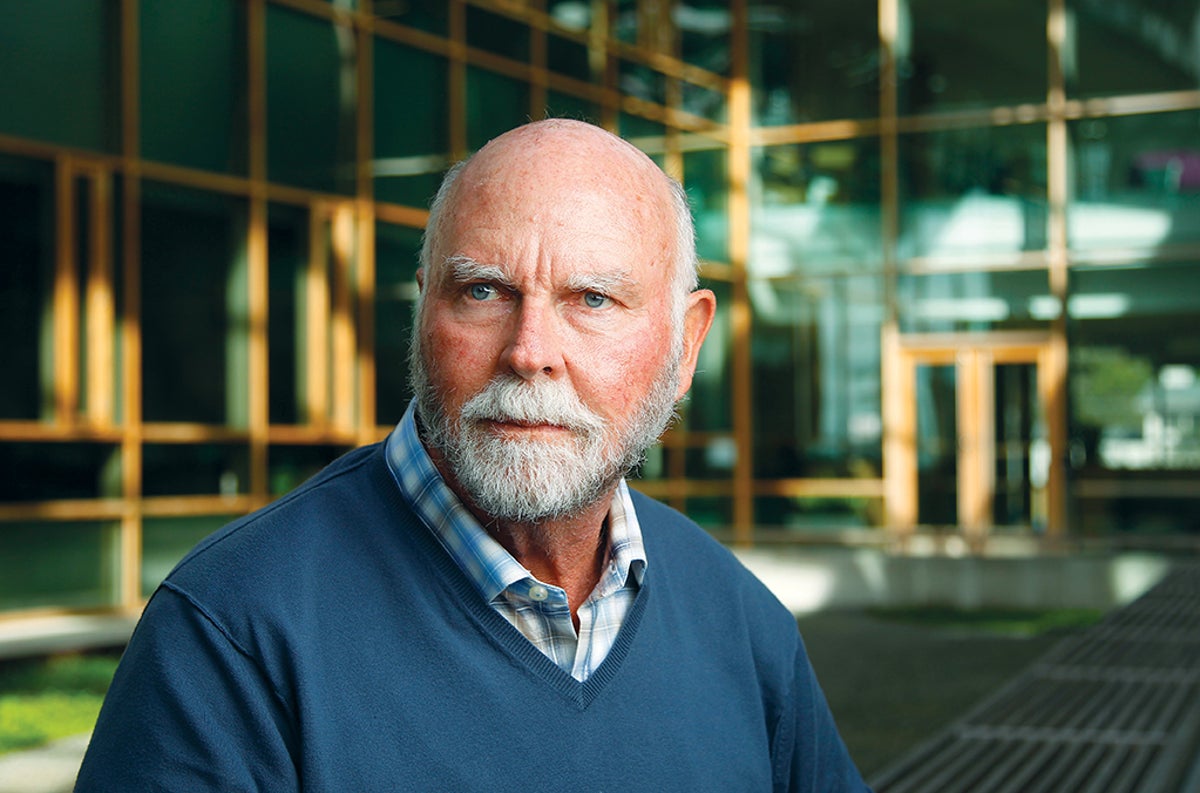
In his final interview, the “swashbuckling” geneticist pointed the way for science
J. Craig Venter was a pioneer in the fields of human genomics and synthetic biology, pursuits that both put him in the spotlight and earned him the label of “controversial.”
Venter’s scientific achievements and character were fodder for a flood of obituaries and social media posts that poured in after the announcement of his death at the end of April, at the age of 79. “Craig was a divisive figure but had huge chutzpah and was always driven on by the science,” says Roger Highfield, a science journalist who knew Venter professionally, having both edited two of the geneticist’s books and written about him over the years. (Highfield is also science director of the U.K. Science Museum Group.)
When I spoke with Venter over video about the state of American science, just a month prior to his death, his bearing—described as “swashbuckling” by Highfield—seemed softened by humility and thoughtfulness. At one point, he veered into more philosophical territory and remarked on the absurdity of the goal of living forever. “If you want immortality,” he said, “do something meaningful while you’re alive.”
If you're enjoying this article, consider supporting our award-winning journalism by subscribing . By purchasing a subscription you are helping to ensure the future of impactful stories about the discoveries and ideas shaping our world today.
Venter’s own goals were shaped by early experiences outside of academia. “I started my science career by getting drafted and spending a year in Vietnam as a medic and learning that fundamentally the biggest thing I had to lose was my life.”
Venter went on to lead a number of trailblazing efforts that transformed human understanding of biology. In 1995 he published the first bacterial genome sequence. Five years later, using a whole-genome shotgun-sequencing method that he developed, Venter and the government-backed Human Genome Project announced the first fully sequenced human genome. He then turned his attention to synthetic genomes, creating the first synthetic, self-replicating bacterial cell in 2010.
How would you describe the current state of American science?







