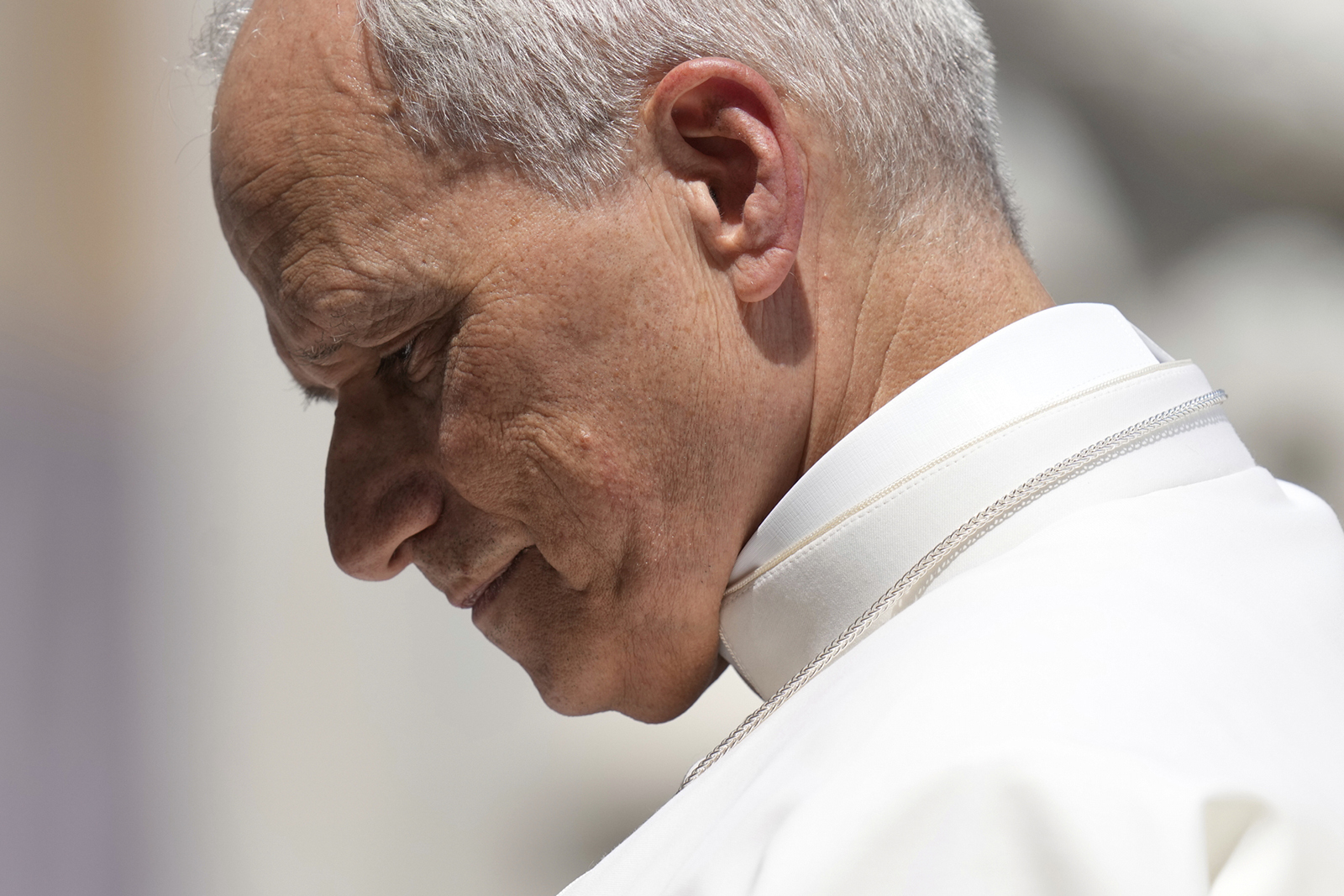
CRS partners with USDA to feed hungry in Sudan, Ethiopia
The premier aid and development organization of the Catholic Church in the United States is partnering with the U.S. government to deliver nearly a quarter-billion dollars in aid to East Africa, where
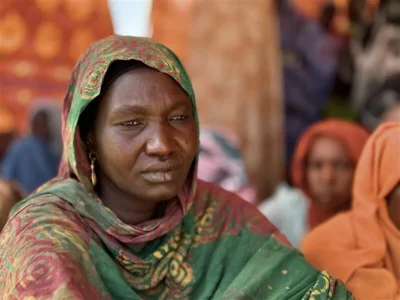
The premier aid and development organization of the Catholic Church in the United States is partnering with the U.S. government to deliver nearly a qu
Read Full Story at Crux Now →Why This Matters
The partnership between Catholic Relief Services (CRS) and the USDA underscores a rare convergence of humanitarian urgency and geopolitical strategy in addressing famine risks in East Africa. Beyond immediate food relief, the collaboration signals a model for future aid initiatives where faith-based organizations and government agencies collaborate to mitigate cross-border crises, particularly as climate change and conflict exacerbate food insecurity.
Background Context
East Africa has faced recurrent droughts and political instability for decades, with Sudan and Ethiopia particularly vulnerable due to protracted conflicts, economic collapse, and disrupted supply chains. The USDA’s Food for Peace program, leveraging surplus agricultural commodities, has historically played a pivotal role in such crises, while CRS’s deep local networks ensure culturally sensitive distribution—a critical factor in regions with deep-rooted skepticism toward foreign aid.
What Happens Next
The success of this initiative may hinge on the ability to navigate logistical hurdles in conflict zones and secure local buy-in from communities wary of centralized aid. Watch for shifts in donor funding priorities, especially if U.S. agricultural surpluses fluctuate or if geopolitical tensions in the Horn of Africa disrupt supply routes. The long-term impact will also depend on whether this model scales to other famine-prone regions like the Sahel or Yemen.
Bigger Picture
This collaboration reflects a growing trend where faith-based groups act as force multipliers for government aid, bridging gaps in trust and access that secular organizations often struggle to overcome. It also highlights the increasing role of agricultural surplus programs in U.S. foreign policy, which could redefine how food aid is weaponized—or wielded—for diplomatic influence in an era of climate-driven displacement.