Cubans protest after third nationwide power cut this year
Cubans in several locations on the island banged pots on Tuesday evening to express their anger about the latest nationwide power cut. While public dissent in the Communist-run country is often punis
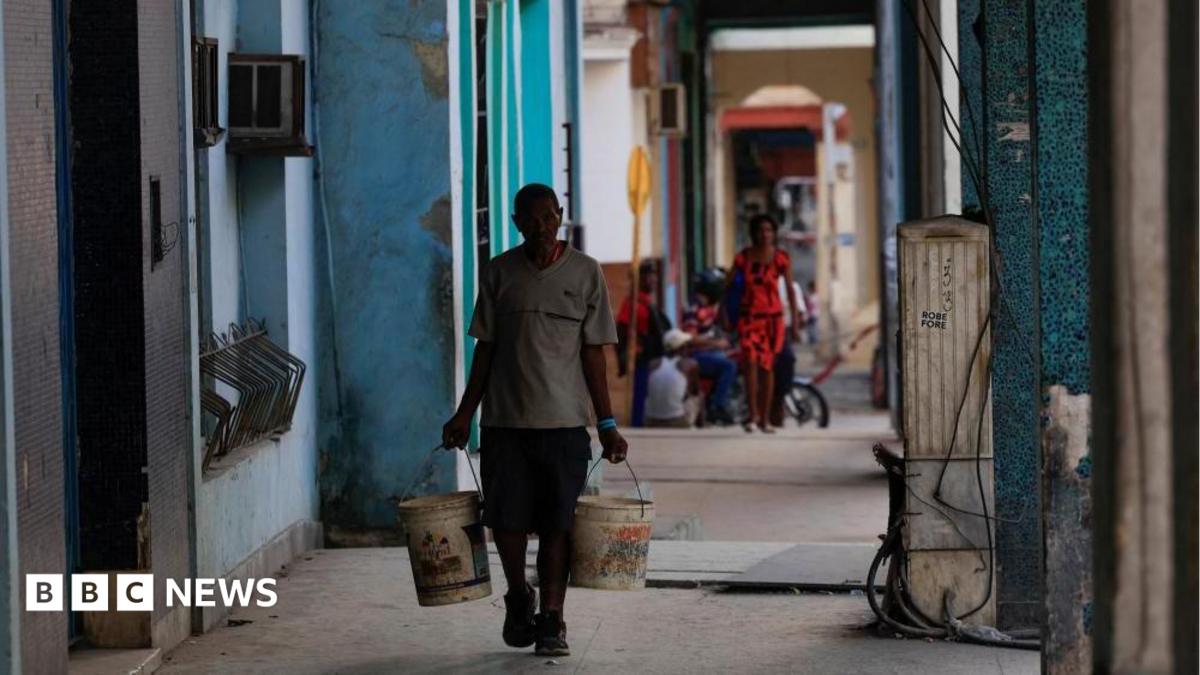
Cubans in several locations on the island banged pots on Tuesday evening to express their anger about the latest nationwide power cut. While public d
Read Full Story at BBC World News →Why This Matters
Cuba’s recurring blackouts are more than technical failures—they expose the fragility of a centrally planned energy system that has struggled for decades. The protests, though localized, signal a deeper erosion of public patience with the state’s inability to guarantee basic services, a cornerstone of revolutionary legitimacy.
Background Context
Since the Soviet collapse in 1991, Cuba’s energy infrastructure has been crippled by fuel shortages, aging power plants, and chronic underinvestment. The government’s reliance on imported oil and inefficient thermal plants, compounded by U.S. sanctions, has created a cycle of blackouts that disproportionately affect households already strained by economic crisis and food scarcity.
What Happens Next
The regime may respond with short-term fixes—like importing emergency fuel or cracking down on dissent—but structural reforms are unlikely without outside pressure or a systemic overhaul. Watch for whether protests escalate into broader unrest or if the government doubles down on repression, as it has in past crises.
Bigger Picture
This is part of a regional pattern where energy instability—driven by climate shocks, economic mismanagement, and geopolitical constraints—is fueling public discontent. In Cuba, where the state’s control over information and dissent has weakened, even small acts of defiance against blackouts can ripple into broader challenges to authority.