DR Congo bans mass gatherings in the capital to prevent spread of Ebola
Mass gatherings have been banned in the Democratic Republic of Congo capital, Kinshasa, as well as three other areas, in order to halt the spread of Ebola, the interior minister says. The current outb
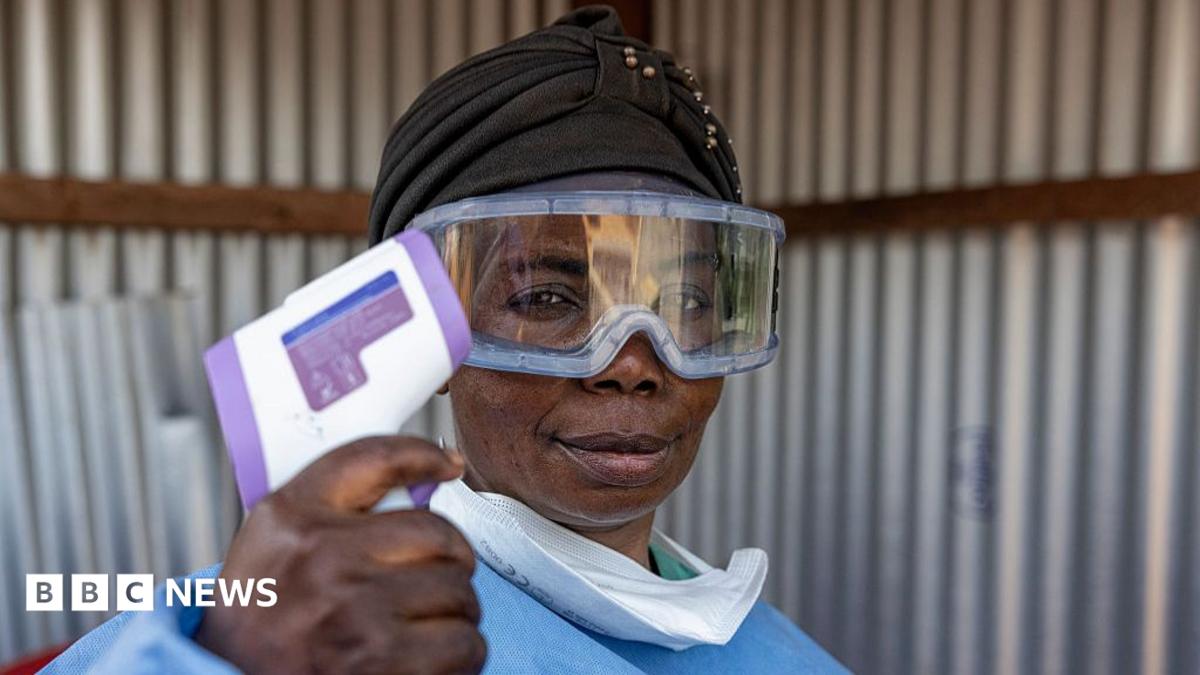
Mass gatherings have been banned in the Democratic Republic of Congo capital, Kinshasa, as well as three other areas, in order to halt the spread of E
Read Full Story at BBC World News →Why This Matters
The Ebola outbreak in the DRC now threatens one of Africa’s most densely populated urban centers, where rapid transmission could dwarf rural outbreaks. Kinshasa’s 17 million residents make containment exponentially harder, raising the stakes for global health systems still reeling from pandemic fatigue. A failure to curb spread here risks not just lives but a potential humanitarian crisis, with ripple effects across Central Africa and international aid networks.
Background Context
The DRC has battled Ebola for decades, with the 2018–2020 Kivu outbreak killing over 2,200 people and exposing systemic gaps in cross-border surveillance. Kinshasa’s last major outbreak in 2020 was contained but left scars—both in public trust and infrastructure—amplifying concerns about this response. Meanwhile, political instability, rebel violence in the east, and a sprawling informal economy complicate lockdown enforcement in a city where daily wages depend on movement.
What Happens Next
If quarantines prove ineffective, Kinshasa could see exponential case growth within weeks, overwhelming the capital’s underfunded health facilities. Aid groups will face impossible choices between enforcing restrictions and provoking backlash in a city where poverty and distrust of authorities run deep. The ban’s success may hinge on whether security forces can balance coercion with community engagement—or if Ebola’s spread becomes yet another proxy for deeper governance failures.
Bigger Picture
This mirrors a troubling pattern where urbanization outpaces public health preparedness, turning outbreaks into urban catastrophes. Africa’s megacities—Lagos, Nairobi, Johannesburg—are increasingly vulnerable, yet global health funding still prioritizes rural hotspots. The DRC’s struggle also highlights how climate change, deforestation, and conflict are pushing zoonotic diseases into crowded, fragile spaces, demanding a rethink of outbreak response beyond traditional containment playbooks.







