Venezuela earthquakes kill dozens, worsen crisis
Two earthquakes killed dozens in Venezuela as the country, already unstable after Maduro's removal and facing a leadership crisis, struggles with a weak government response and ongoing political divis
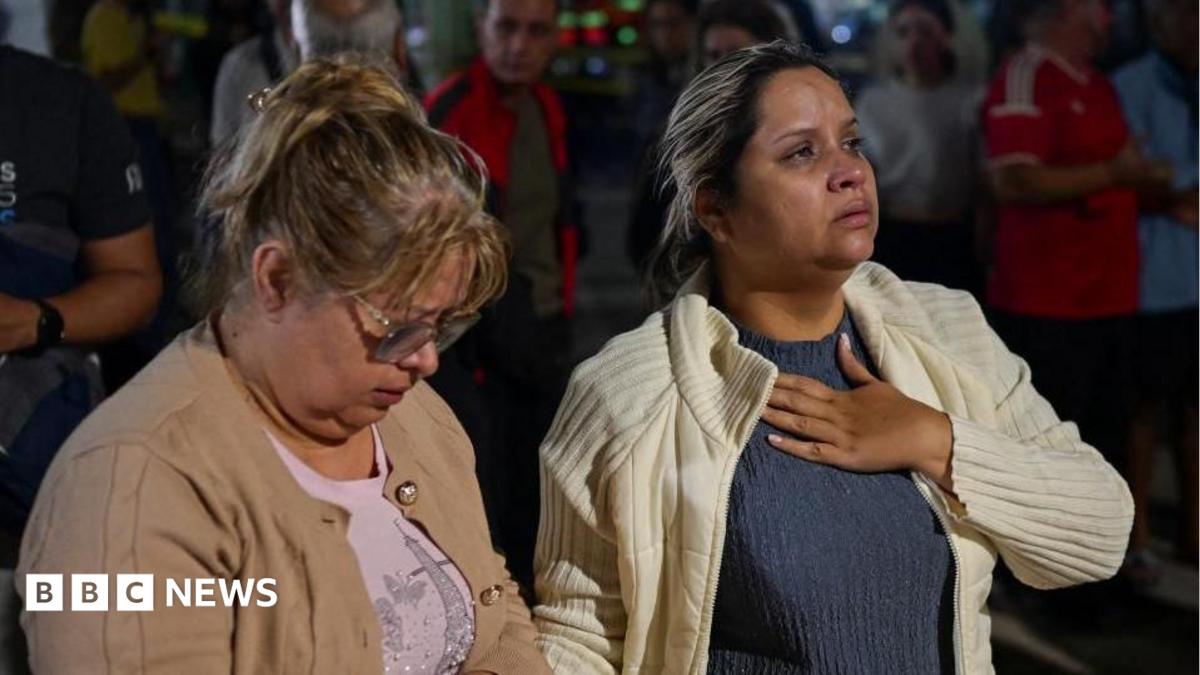
A pair of powerful earthquakes rocked Venezuela on Wednesday, killing dozens and heaping more suffering on a nation already drowning in political chao
Read Full Story at BBC World News →Why This Matters
The twin earthquakes in western Venezuela strike at a moment when the country's institutions are already fractured, amplifying the humanitarian toll of natural disasters in a state where governance is tentative. With Maduro's removal leaving a power vacuum and competing factions vying for control, the government's inability to mount a swift response risks deepening public distrust and regional instability.
Background Context
Venezuela’s political landscape remains volatile after the abrupt departure of Nicolás Maduro, with factions within the military, opposition, and international actors maneuvering for influence in a power vacuum. The country’s already strained infrastructure, compounded by hyperinflation and mass emigration, has left communities vulnerable to crises like earthquakes, which now unfold under a leadership struggling to assert authority.
What Happens Next
The delayed or fragmented response to the disaster could embolden opposition leaders to challenge the interim government’s legitimacy, particularly if aid distribution becomes politicized. Meanwhile, international aid groups may face obstacles in delivering relief due to lingering sanctions or bureaucratic paralysis, prolonging suffering in the hardest-hit regions.
Bigger Picture
This disaster underscores a dangerous pattern in post-authoritarian states: the collapse of centralized authority often leaves populations exposed to both man-made and natural crises. Venezuela’s plight may serve as a cautionary tale for other nations experiencing leadership transitions, highlighting how instability turns routine emergencies into existential threats.