Edison may not have been the first to record the human voice, new evidence suggests
Edison may not have been the first to record the human voice, new evidence suggests Could a predecessor to the phonograph have appeared a century earlier? On December 7, 1877, Thomas Edison walked into the offices of Scientific American in New York City and placed a metal devic
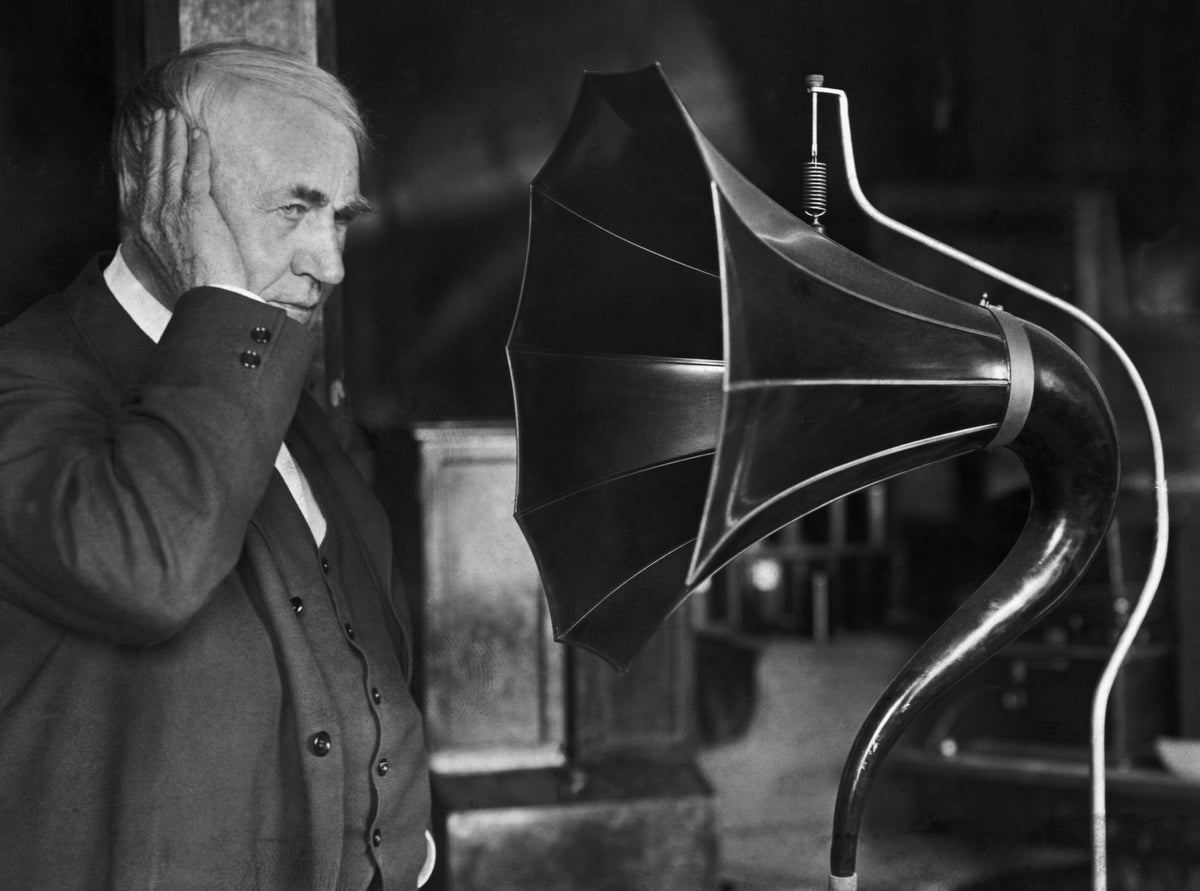
Edison may not have been the first to record the human voice, new evidence suggests
Could a predecessor to the phonograph have appeared a century earlier?
On December 7, 1877, Thomas Edison walked into the offices of Scientific American in New York City and placed a metal device on a desk. With a turn of a crank, Edison astonished the dozen or so staffers who had gathered around the contraption.
The machine spoke. “Good morning,” it said in Edison’s voice. “How do you do?”
SciAm ’s editors described the demonstration in the December 22, 1877, issue . “There can be no doubt,” they wrote, “but that the inflections are those of nothing else than the human voice.” Accompanying the report was a detailed sketch of Edison’s device, which the inventor called a phonograph .Virtually overnight, the article catapulted Edison to fame and established the phonograph as the first machine to record and reproduce human speech.
If you're enjoying this article, consider supporting our award-winning journalism by subscribing . By purchasing a subscription you are helping to ensure the future of impactful stories about the discoveries and ideas shaping our world today.
On May 15, 2026, at the annual meeting of the Association for Recorded Sound Collections in Memphis, audio historian Patrick Feaster proposed another candidate for the title—a recording machine that would have preceded Edison’s by nearly a century.
Feaster, a tenacious researcher with a photographic mind for everything phonographic, began investigating this possibility more than 20 years earlier, when he came across a German article from the early 1900s surveying mechanical devices that synthesized (but did not record) some of the sounds of human speech. The article mentioned a man identified only by his last name, Müller, who had exhibited some kind of talking machine in the 1780s. Although the article’s author branded Müller’s machine an obvious hoax, Feaster was intrigued.







