Eight rules made Norway a winter sports superpower. Will they help at the World Cup?
Twenty years ago in Bryne, a small Norwegian city near the North Sea, a group of elementary school-age kids gathered most weekends to play pickup games at an indoor soccer field. Get unlimited access to ad-free articles and exclusive content. The soccer dome was often left unlo
Twenty years ago in Bryne, a small Norwegian city near the North Sea, a group of elementary school-age kids gathered most weekends to play pickup games at an indoor soccer field.
Get unlimited access to ad-free articles and exclusive content.
The soccer dome was often left unlocked, allowing local kids year-round opportunities to play. The kids later told researchers that they would often would break themselves into teams and imagine they were playing someplace much bigger than their hometown of about 11,000. They referred to their game as “World Cup.”
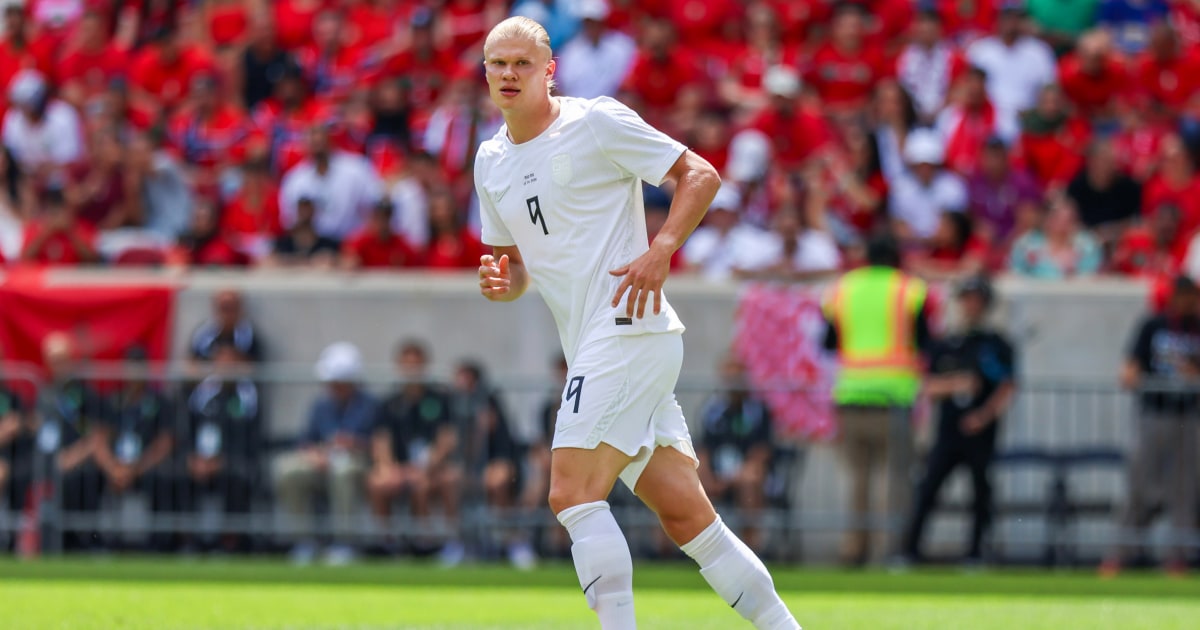
One of those kids from Bryne was a tall, blond goal-scoring whiz named Erling Haaland, who grew up to be one of the most prolific and famous goal-scorers in the world. On Tuesday, Haaland will lead Norway into the real World Cup — the country’s first appearance in 28 years.
There is no denying the role of Haaland’s pedigree in his rise to stardom. His father played in England’s Premier League and for the last Norwegian national team that made the World Cup in 1998. But Haaland is also the product of a Norwegian youth sports system that is considered the most progressive in the world. Its focus on developing children through sports has produced sky-high participation rates — but also gold-medal-winning success unparalleled for a country its size.
The foundation of Norway’s youth system is built on eight principles that form the country’s “Children’s Rights in Sports.” Since they were adopted 40 years ago, those principles establish that children have a right to participate in sports no matter their family’s finances; to compete for fun, in training designed to foster friendship and solidarity; to play in safe environments; and to have their opinions heard by coaches. How many sports a child plays is up to them.
Though kids can start playing for local teams at the age of 6, they can’t travel for regional competitions until they are 9. Results and rankings aren’t kept until age 11. National championships are only for those 12 and up. Thanks to a vast number of volunteers and funding from a state-owned gambling company , costs of taking part are low.
“Norway is so unique because they have sort of drawn from universally accepted human rights principles to champion and safeguard children’s rights in sports,” said Jon Solomon, the research director of the Aspen Institute’s sports and society program. “They’re really big in believing that friendship and enjoyment and freedom of choice and developmentally appropriate play are all really critical for kids, just to be kids. But they also view it as very important for the pipeline to just develop elite athletes at later stages.”