September 23 equinox begins autumn in Northern Hemisphere, spring in South
The equinox on September 23, 2023, marked the start of autumn in the Northern Hemisphere and spring in the Southern Hemisphere, resulting in nearly equal day and night lengths. This event is signific…
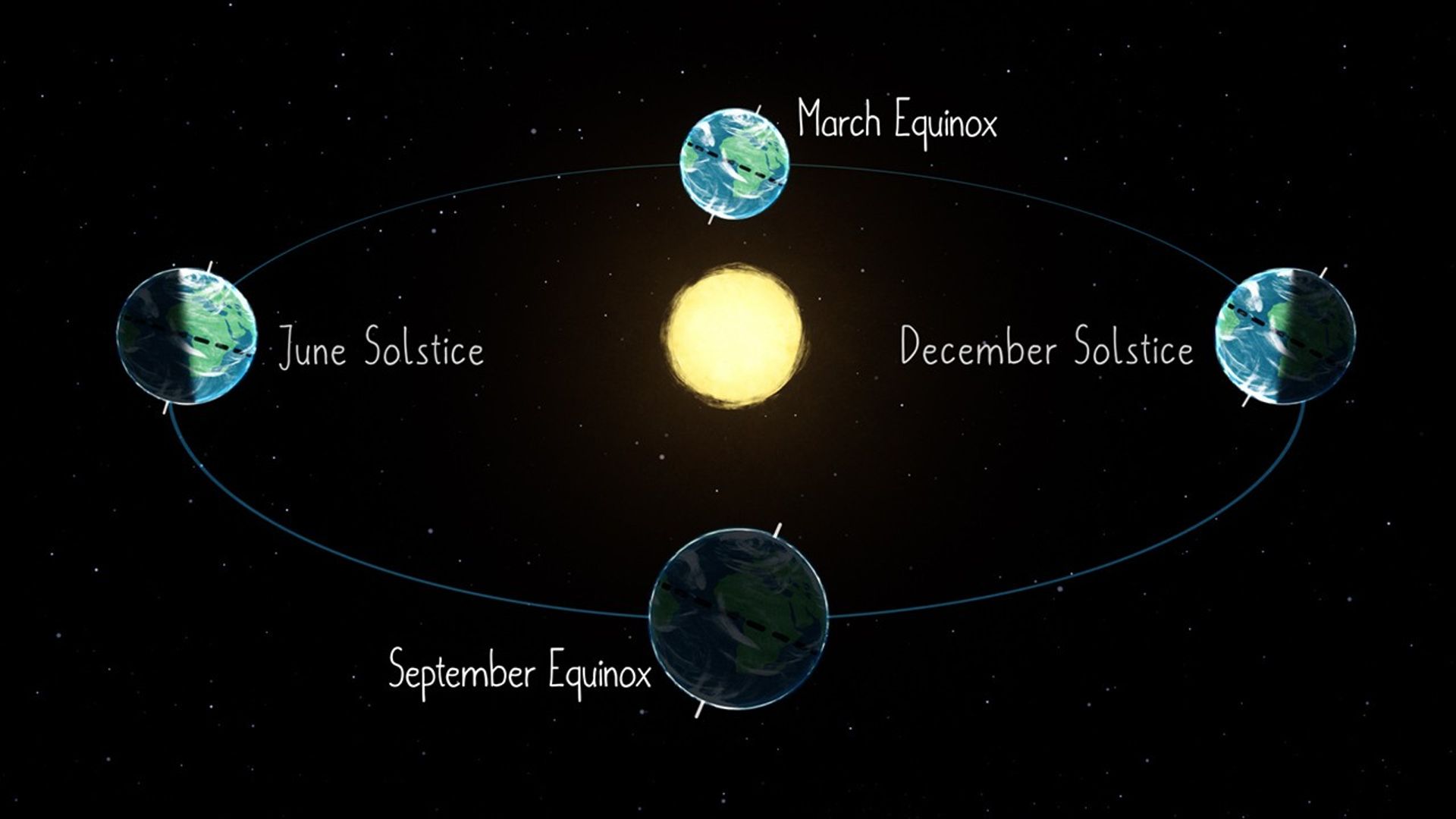
The equinox occurred on September 23, 2023, marking the transition to autumn in the Northern Hemisphere and spring in the Southern Hemisphere. This astronomical event happens when the sun crosses the celestial equator, resulting in nearly equal day and night lengths around the world. The equinox is a significant moment for cultures and societies, as it signals changes in weather, agriculture, and daily activities.
Historically, equinoxes have held great importance for various civilizations. Ancient cultures, such as the Egyptians and Mayans, built observatories to track celestial movements and align their calendars. These societies relied on the equinox to time planting and harvesting seasons. In modern times, the equinox still influences agricultural practices and signifies the arrival of fall festivals in many regions. As climate change alters weather patterns, the equinox serves as a reminder of the natural cycles that govern life on Earth.
The September equinox also has scientific implications. Astronomers use this event to calibrate their observations of the cosmos, ensuring accurate measurements of celestial bodies. Additionally, it serves as a reference point for understanding Earth's tilt and orbit. This year, researchers noted that the equinox coincided with unusual weather patterns globally, drawing attention to the need for ongoing climate studies.
Looking ahead, the equinox will continue to be a focal point for both cultural celebrations and scientific research. As communities embrace the changing seasons, many will participate in traditional autumn activities, such as harvest festivals and nature walks. For scientists and environmentalists, the equinox offers a crucial opportunity to reflect on the impacts of climate change and the importance of preserving the planet's natural rhythms.
Read Full Story at NASA →