Ethiopia: Who could bring the warring sides to the negotiation table?
Just four years after a landmark peace deal officially halted the devastating Tigray war, fighting has escalated once again in northern Ethiopia in recent weeks. Just days before full-scale fighting…
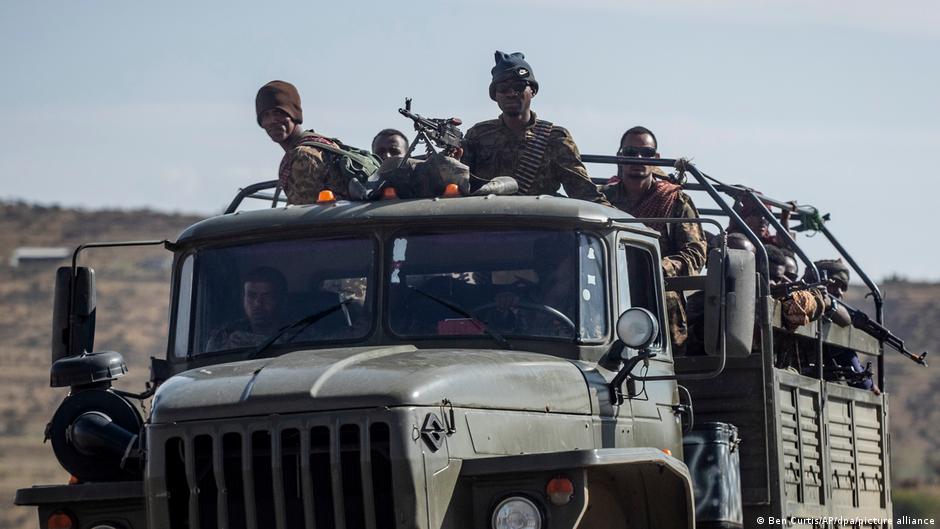
Just four years after a landmark peace deal officially halted the devastating Tigray war, fighting has escalated once again in northern Ethiopia in recent weeks.
Just days before full-scale fighting resumed, several armed groups which had previously considered each enemies formally announced an alliance with a common goal: To bring down Prime Minister Abiy Ahmed's federal government.
But this time, the lay of the land looks quite different from the previous conflict: Parties outside the country have been accused of meddling in the situation, with each having their own motives to want to destabilize Abiy's government.
This has raised fears about prolonged instability hitting the Horn of Africa.
The 2022 Pretoria Peace Agreement ended the conflict between the Ethiopian federal government and the Tigray People's Liberation Front (TPLF) , which cost hundreds of thousands of lives in the course of two years.
Negash Mohammed, a journalist with DW's Amharic department. believes that the deal collapsed for three key reasons — or rather because three key actors in the conflict were largely neglected at the negotiation table.
Mohammed explained that the ultimate agreement didn't factor in the role of Eritrea in the conflict , which had fought alongside Ethiopia against the TPLF ; it ignored the part that Amhara militias — known as Fano — played in the war, who later felt sorely excluded from the negotiations; finally, it ignored harliners within the TPLF who viewed the peace peace as nothing but military defeat .
Tensions between the federal government and the Fano escalated further when Addis Ababa moved to forcibly disarm the militias instead of addressing their grievances.
Read Full Story at DW World →