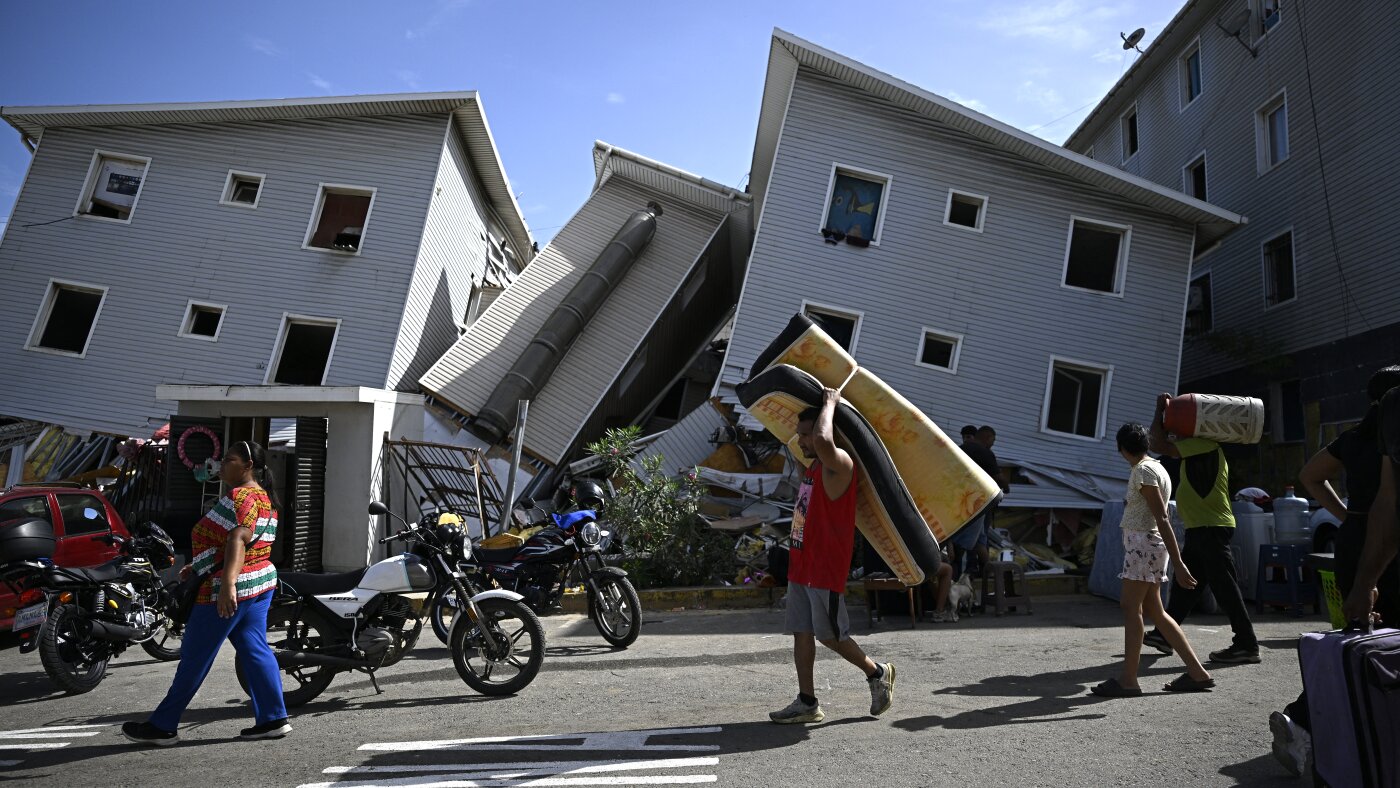
US National Weather Service orders evacuations in Guam as Bavi approaches.
A super typhoon, Bavi, is approaching Guam and the Northern Mariana Islands with winds of up to 257km/h, posing a significant threat to the islands. The US National Weather Service has warned of catas
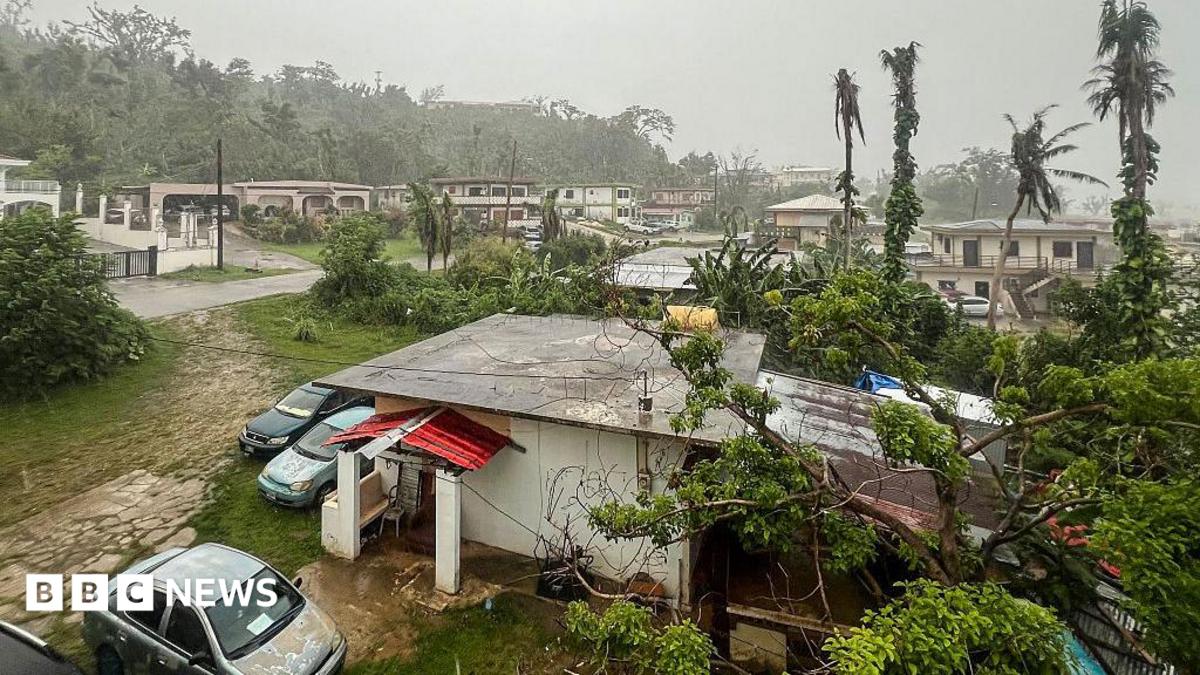
Emergency evacuations are underway in Guam and the Northern Mariana Islands as a super typhoon, Bavi, bears down on the US Pacific territories. The st
Read Full Story at BBC World News →Why This Matters
Super Typhoon Bavi’s approach exposes the fragile infrastructure of remote Pacific territories, where evacuation logistics and emergency response systems are often stretched thin. The storm also tests the U.S. military’s resilience in the region, as Guam hosts critical strategic assets—raising questions about preparedness amid intensifying climate threats.
Background Context
Guam and the Northern Mariana Islands lie in the western Pacific’s typhoon belt, where storms are intensifying due to warming ocean temperatures—a trend linked to climate change. The islands’ recovery from past cyclones, including Super Typhoon Mawar in 2023, remains incomplete, with some communities still relying on temporary housing and patchwork infrastructure.
What Happens Next
If Bavi makes direct landfall, power outages and disrupted supply chains could last weeks, straining local hospitals and evacuation shelters. The storm’s trajectory may also force the U.S. to reroute military assets or personnel, potentially impacting Pacific defense operations. Officials will closely monitor storm surge risks, which could inundate coastal areas already vulnerable to erosion.
Bigger Picture
Super Typhoon Bavi aligns with a broader pattern of stronger, slower-moving tropical cyclones in the Pacific—a shift scientists attribute to climate change. The event underscores the urgency for Pacific territories to secure funding for resilient infrastructure, as reliance on federal aid often lags behind the scale of disasters.