Every Starlink Dish Available: How To Know Which Setup May Be Right For You
From stationary to on-the-go connectivity needs. We may receive a commission on purchases made from links. For years, getting Starlink meant buying whatever satellite dish the company was selling a…
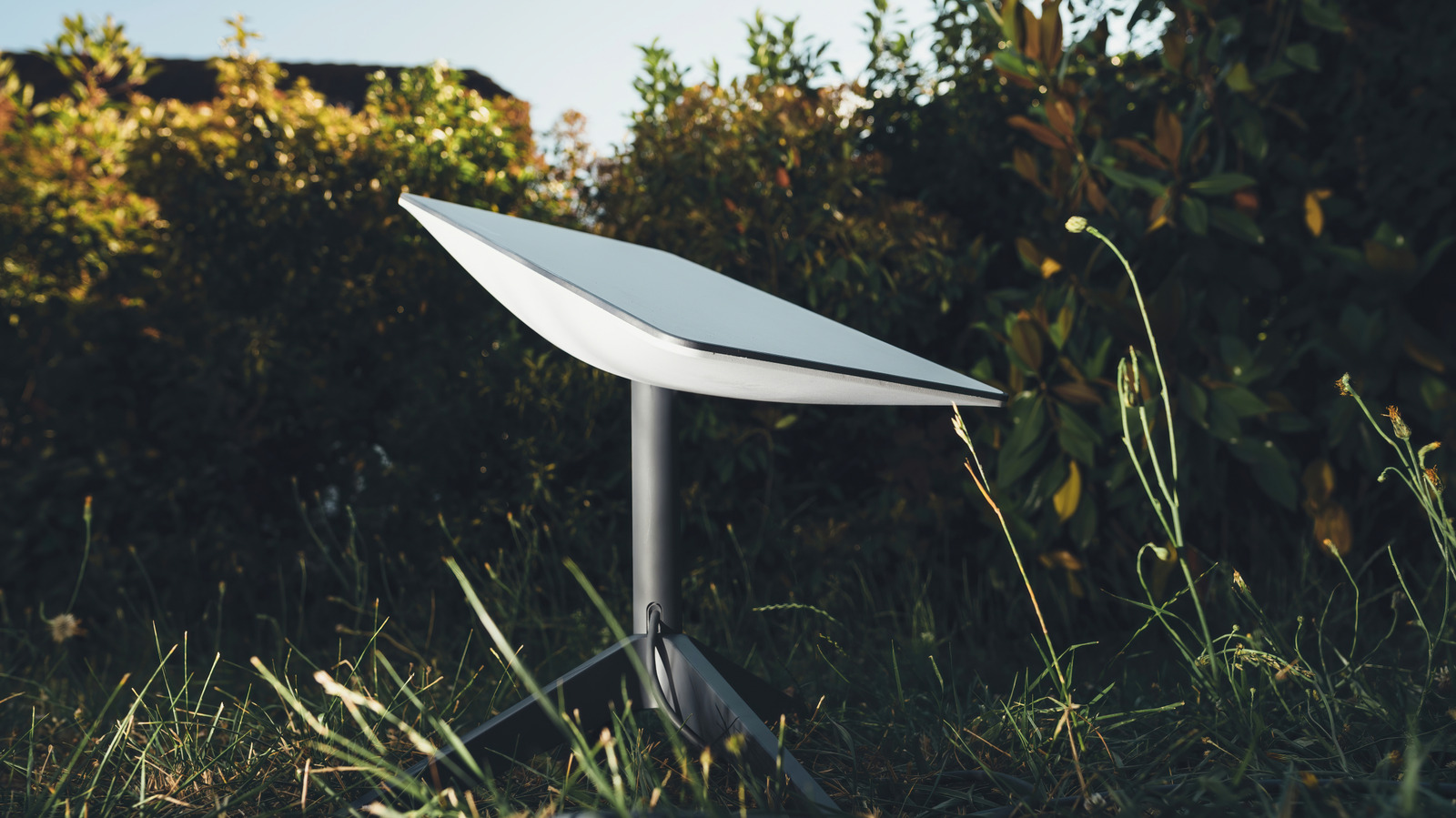
For years, getting Starlink meant buying whatever satellite dish the company was selling at the time, regardless of your needs. That's no longer the case. Starlink now offers multiple options designed for everything from connecting a rural home to keeping an RV, boat or remote worksite online.
Choosing a Starlink dish isn't exactly difficult, but it's important to understand that the cheapest option, while appealing, won't always be the best. Alternatively, the most expensive option can be overkill. Portability, durability, performance and whether you need internet at a fixed location or on the move can all affect which setup makes sense for you.
There are six Starlink dishes total that we'll cover here, some available in slightly different versions or bundles.
For most people, the V4, which headlines the Standard 4 and 4 X kits, is probably the Starlink dish to start with. It's positioned for residential users and everyday online activities like streaming, video calls and online gaming. The rectangular design isn't new to Starlink. The company moved away from its original circular terminal years ago, when Starlink's rectangular satellite broadband dish was introduced as a smaller, lighter alternative.
The V4 is a rectangular terminal without a built-in motor, so it relies on software-assisted manual orientation instead. The dish measures about 23.4 by 15 inches, weighs 6.4 pounds and has a 110-degree field of view. The biggest difference between the Standard 4 and Standard 4 X kits isn't the dish itself, but the equipment included. The Standard 4 comes with Starlink's smaller Router Mini, while the Standard 4 X includes the newer, faster Router 3. The Standard 4 is also sold as a complete kit with a kickstand, power supply and the cables needed to get connected.
The V4 is more than likely enough for most fixed home internet setups unless you have a specific need for portability, extra durability or higher performance. It's built the things most people expect from a home internet connection without paying for hardware built for RVs, boats or commercial applications.
The Starlink V5 is the company's newest residential dish, but it isn't a performance upgrade over the previous V4. Starlink just made the hardware considerably smaller, lighter and more power-efficient. Starlink's V5 home dish is smaller and more energy-efficient than the V4, measuring about 15.1 by 12 inches and weighing 2.4 pounds, compared with 6.4 pounds for the V4.
The smaller size also comes with lower power consumption. Starlink lists average power use at 35 to 50 watts for the V5, compared with 75 to 100 watts for the V4. The tradeoff is a slightly lower peak download speed. Starlink lists up to 375 Mbps for the V5, compared with 400+ Mbps for the V4.
Read Full Story at Engadget →