Explosion leaves 18 missing and dozens injured at key gas facility in Qatar
Eighteen people are missing and more than 50 people are injured after an explosion at a key Qatar gas facility previously targeted by Iranian strikes.
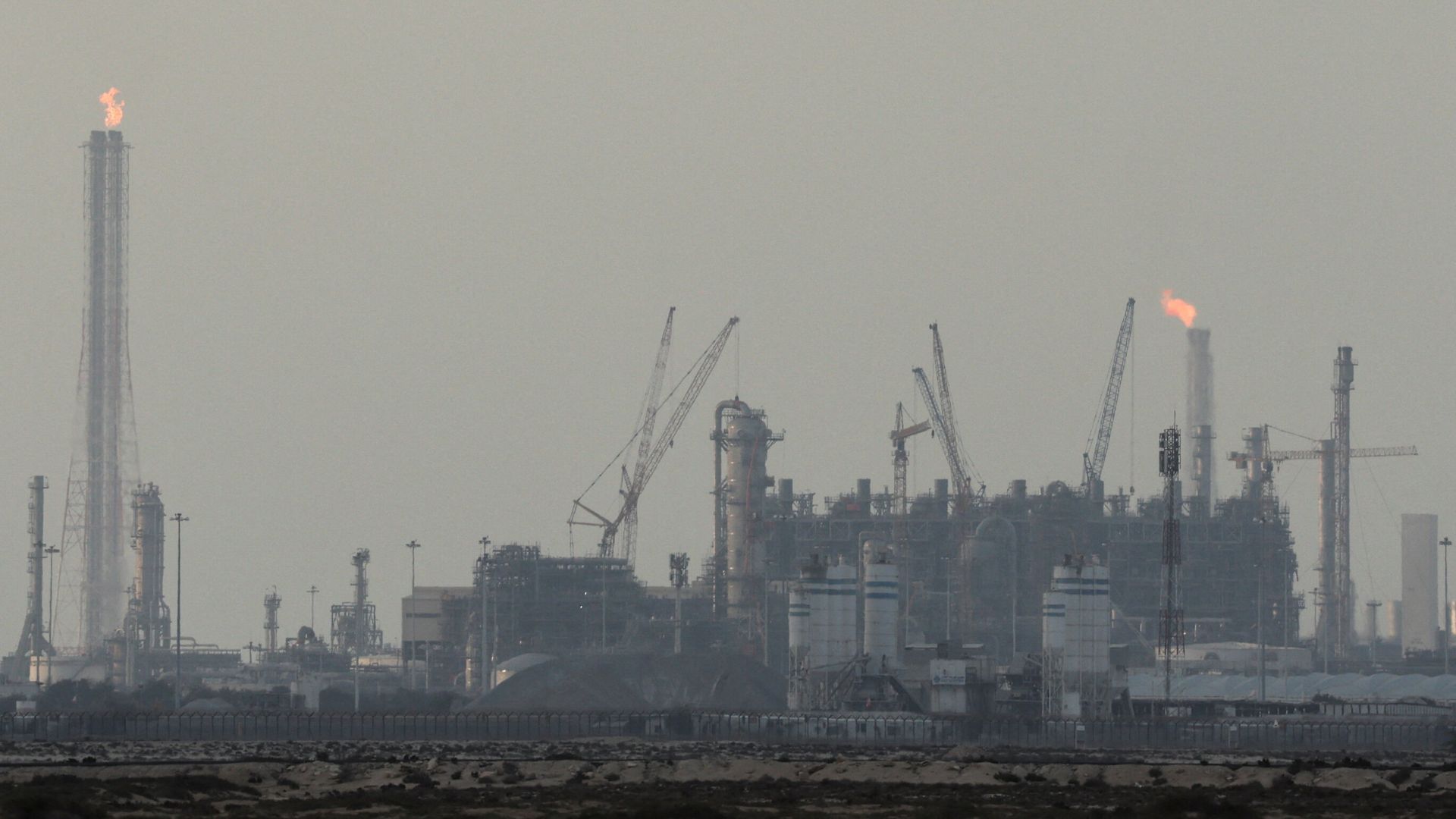
Eighteen people are missing and more than 50 people are injured after an explosion at a key Qatar gas facility previously targeted by Iranian strikes.
Read Full Story at Sky News →Why This Matters
The explosion at Qatar’s gas facility underscores the persistent vulnerability of critical infrastructure in the Persian Gulf amid escalating regional tensions. With Qatar supplying a significant portion of global LNG, disruptions here could ripple through energy markets and supply chains, particularly in Europe and Asia, where demand remains sensitive to geopolitical shocks.
Background Context
Qatar’s North Field, one of the world’s largest gas reserves, has long been a flashpoint due to its strategic importance and proximity to Iran. The facility has previously faced cyberattacks and drone strikes linked to regional proxy conflicts, reflecting the broader pattern of asymmetric warfare in the Gulf. Qatar’s role as the world’s top LNG exporter further complicates the calculus, as any prolonged disruption could exacerbate energy insecurity in importing nations.
What Happens Next
The immediate focus will be on search-and-rescue operations and assessing the damage to infrastructure, which could take weeks to fully evaluate. If sabotage is confirmed, it may prompt Qatar to accelerate security measures or seek international support, while regional actors could leverage the incident to escalate rhetoric or military posturing. The incident also raises questions about the resilience of Gulf energy networks in the face of hybrid threats.
Bigger Picture
This explosion fits a broader trend of targeted strikes on energy assets across the Middle East, from Yemen’s Houthi attacks on Saudi oil facilities to Israeli strikes on Iranian-linked infrastructure in Syria. As Gulf states diversify their defense strategies, the incident highlights the growing intersection of energy security, technological warfare, and regional power struggles.






