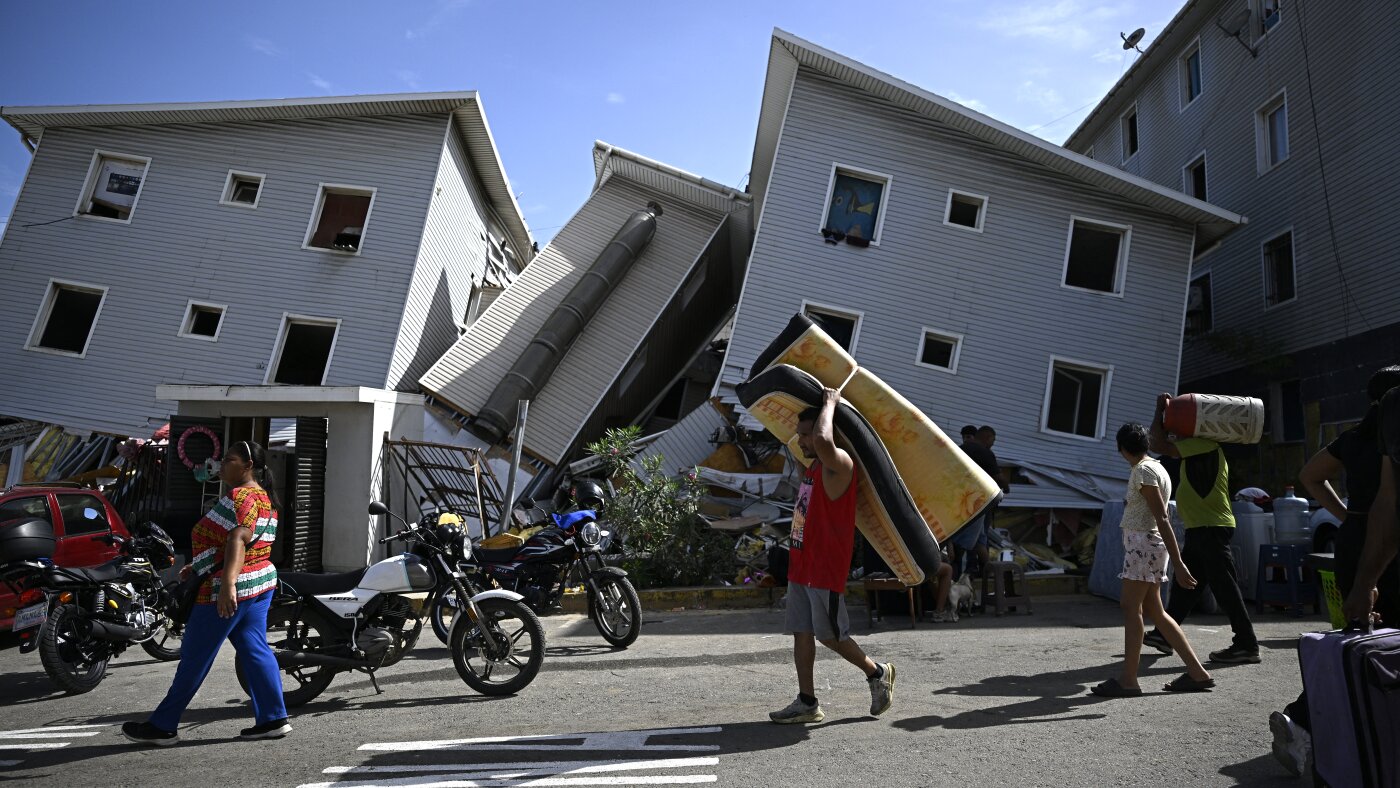
Explosions near Damascus hotel injure civilians
Two explosions near Damascus’s Ministry of Tourism and a hotel hosting French President Macron injured civilians and disrupted parts of the city. The attacks, possibly targeting Macron or coincidental

At least two explosions rocked Syria’s capital, Damascus, on Tuesday as French President Emmanuel Macron arrived for talks with Syrian officials. Tele
Read Full Story at Al Jazeera →Why This Matters
The explosions in Damascus underscore the persistent volatility of Syria’s fragile security landscape, even amid diplomatic overtures. The timing—amid speculation about Macron’s potential role in brokering regional stability—suggests the attacks may have been intended to disrupt fragile confidence in the Assad regime’s authority. More broadly, the incident highlights how external visits to conflict zones can become lightning rods for violence, exposing the limits of international engagement in a fractured state.
Background Context
Syria remains a patchwork of competing factions, with Damascus itself a government stronghold but surrounded by insurgent-controlled territory. The Ministry of Tourism, targeted in the blasts, lies in a district long associated with regime resilience and institutional control. Meanwhile, Macron’s visit—part of a broader European push to re-engage with Damascus—risks being perceived as normalization with a regime accused of war crimes, a perception certain actors may seek to exploit violently.
What Happens Next
The immediate fallout will likely involve tightened security around diplomatic missions and a crackdown on perceived threats, further isolating Damascus. If Macron’s itinerary shifts or his visit is curtailed, it could signal a broader retreat from European engagement with Syria. Meanwhile, rival factions may exploit the chaos to escalate attacks, testing the regime’s ability to maintain order in its own capital.
Bigger Picture
This incident is a microcosm of a wider pattern: conflict zones increasingly weaponize violence against high-profile visitors to derail tentative diplomatic efforts. As Syria’s reconstruction stalls and regional powers jockey for influence, the risk of such destabilizing acts grows, threatening to unravel fragile stabilization narratives. The attacks also reflect a broader erosion of deterrence, where non-state actors feel emboldened to challenge even heavily guarded targets.