Fed expected to raise interest rates. And, board votes to close Kennedy Center
Good morning. You're reading the Up First newsletter. Subscribe here to get it delivered to your inbox, and listen to the Up First podcast for all the news you need to start your day. The Federal Re…
Good morning. You're reading the Up First newsletter. Subscribe here to get it delivered to your inbox, and listen to the Up First podcast for all the news you need to start your day.
The Federal Reserve is expected to raise interest rates today for the first time in more than three years. Investors anticipate that the central bank will raise its benchmark interest rate by a quarter percentage point to a range of 3.75% to 4%. The move would result in higher borrowing costs for consumers looking to buy cars, expand businesses or carry credit card balances.
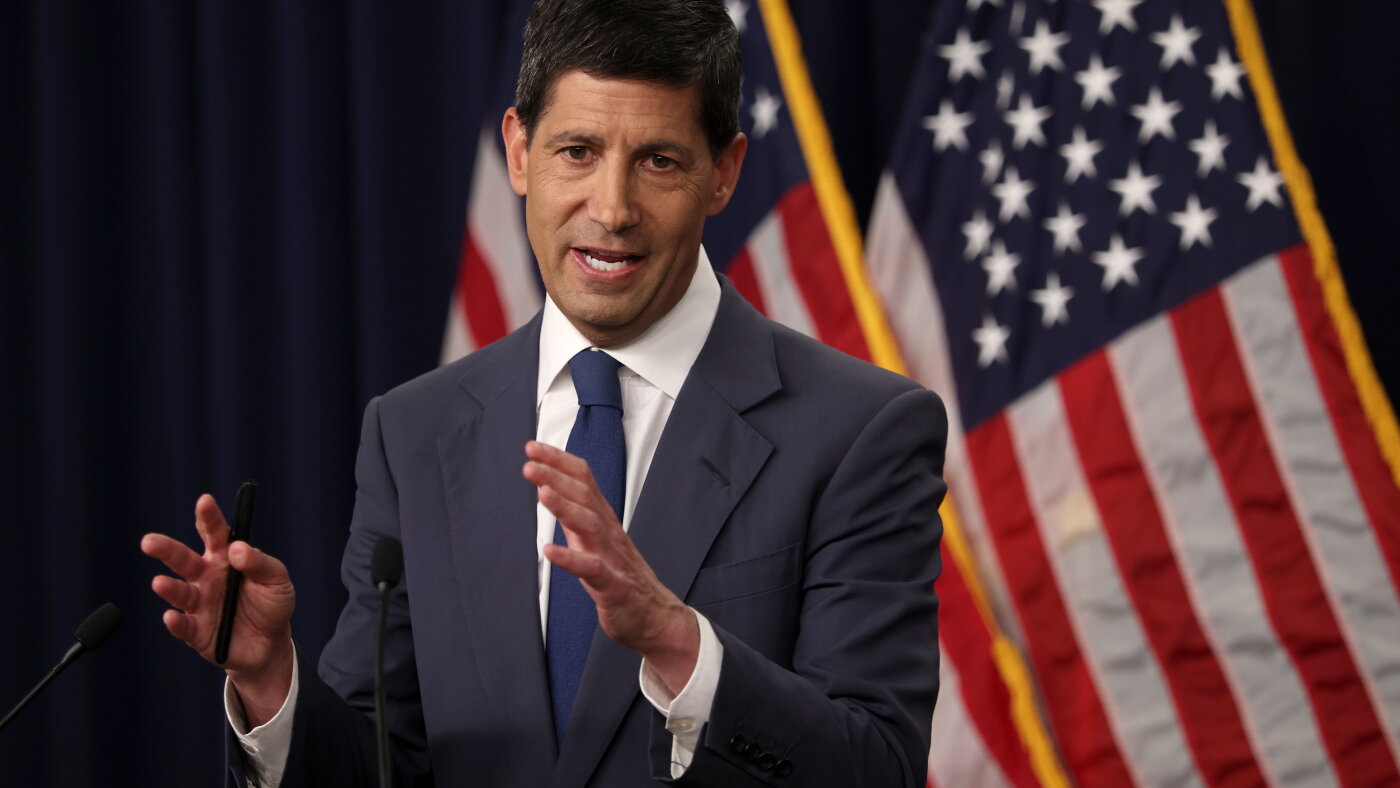
Federal Reserve Chair Kevin Warsh and his colleagues are widely expected to raise their benchmark interest rate Wedneday, in an effort to tamp down demand and bring prices under control. Win McNamee/Getty Images North America hide caption
There are 21.4 million women in the U.S. who need subsidized birth control living in counties with limited access, according to a new analysis shared exclusively with NPR from Power to Decide and the Guttmacher Institute. The two reproductive policy organizations' analysis produced two interactive, county-level maps that serve as updated versions of a map of contraception deserts first published by Power to Decide in 2017. Because the methodology behind these maps is new, there's no way to compare them with past models to see whether access has improved or worsened over the years. But Megan Kavanaugh, principal data researcher at Guttmacher, says there's reason to believe the current picture is already worse than what these maps show, as the data that informed them came from 2020-2023. Many clinics have since closed, and changes in federal Title X grant distributions, partly related to opposition to abortion, may lead to more clinic closures.
The Iran war has caused extensive damage to U.S. bases and created shortages in American weapons, according to reports from the Congressional Budget Office (CBO) and the Pentagon Inspector General. Both of these reports come from independent, nonpartisan agencies. The reports reveal significant destruction at locations like the U.S. Naval Base in Bahrain, which the Pentagon has not addressed. They also show that around 60 U.S. aircraft, including around 30 Reaper drones costing at least $30 million each, have been destroyed. Both reports estimate the war has cost more than $30 billion, but these estimates don't include the cost of rebuilding damaged U.S. bases.
The Kennedy Center's board of directors voted yesterday to close the arts complex. The decision came shortly after a federal judge blocked a plan to place President Trump's name on the building or its grounds. The president vowed to cancel the center's planned renovation unless a higher court reverses the ruling to add his name.
Kelly MacDonald holds her dog in front of her five bedroom home in a Cincinnati suburb on September, 11 2026. Patrick Apfelbeck hide caption
Buying a home is an expensive endeavor, and many homebuyers face an unexpected cost: junk fees. These fees have been around for decades and can go by different names, such as document fees and storage fees. Even though they're only a fraction of the total cost of buying a home, they can still strain buyers' finances because they are due at closing rather than being spread out over the years like a mortgage. These fees are increasingly being charged to both home buyers and sellers, who have collectively paid nearly $2 billion in junk fees each year, according to conservative estimates from the Consumer Policy Center. Here's why real estate agents are calling the fees greedy :
Read Full Story at NPR News →