Bangladesh landslides kill 13, including five children
At least 13 people, including five children, died in Bangladesh landslides caused by heavy monsoon rains. Climate change and deforestation worsen landslides, yet relocation efforts and safety measures
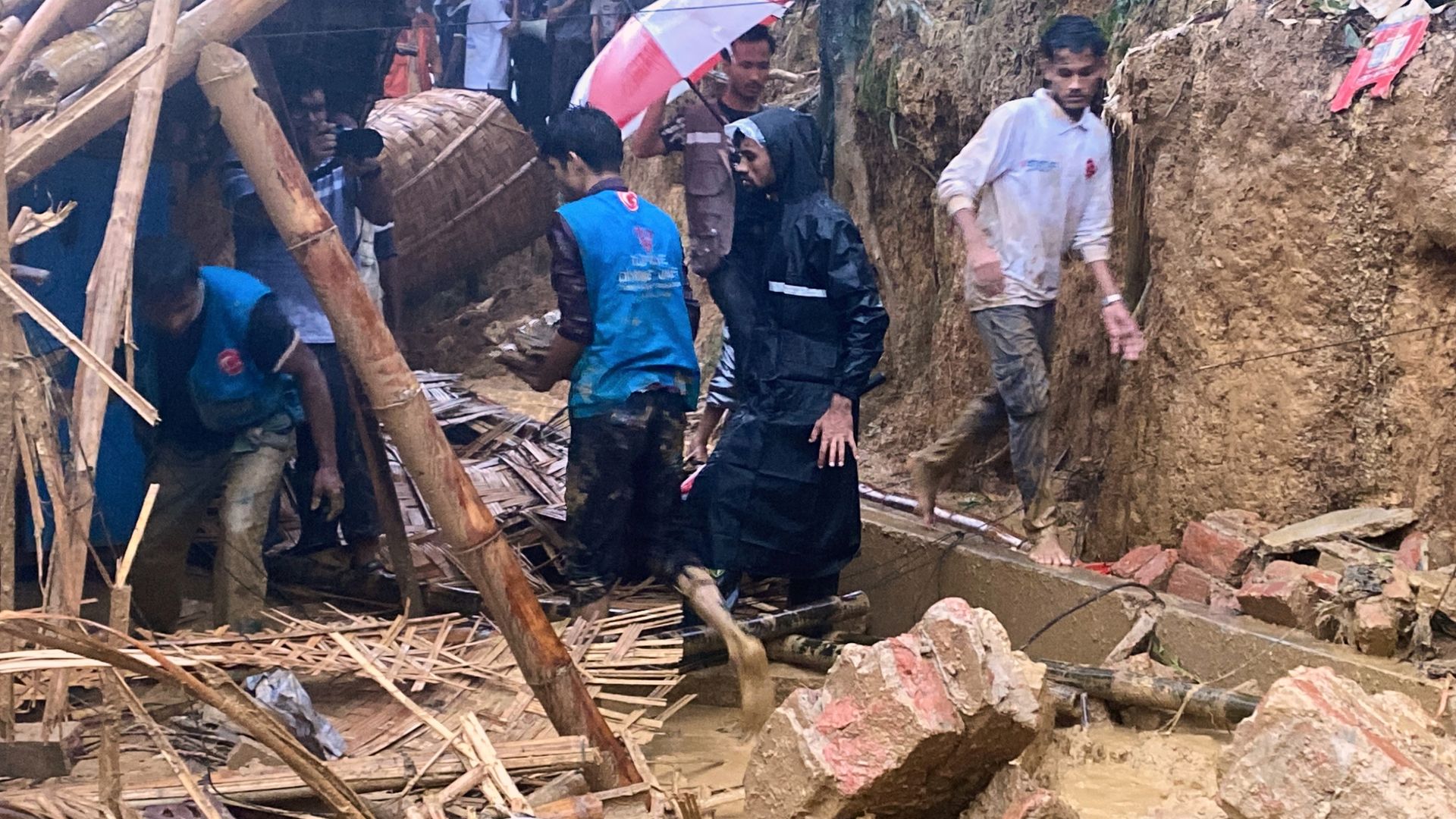
At least five children died in Bangladesh on Monday after heavy monsoon rains triggered a landslide in the southeastern district of Rangamati, bringin
Read Full Story at Sky News →Why This Matters
Bangladesh’s landslides expose a grim intersection of climate vulnerability and systemic neglect, where natural disasters disproportionately claim the lives of the most vulnerable—children and marginalized communities. The tragedy underscores a failure not just of infrastructure, but of long-term resilience planning in a nation already grappling with climate migration and extreme weather. Without urgent action, these incidents risk becoming routine, normalizing preventable loss as the cost of economic progress.
Background Context
Bangladesh’s monsoon season has long been a period of acute danger, but the intensity and frequency of landslides have worsened in recent years due to unchecked urbanization in hilly regions like Chittagong and Sylhet. Deforestation for construction and agriculture has stripped away natural barriers, while informal settlements—often built on unstable slopes—house families with no legal protections or escape routes. Government relocation programs exist in theory, but enforcement is weak, and corruption diverts resources meant for disaster preparedness.
What Happens Next
Unless immediate measures are taken—such as mandatory evacuations in high-risk zones and stricter enforcement of building codes—the death toll will likely rise with each monsoon. International aid groups may pressure Dhaka to act, but political will remains the biggest variable. Watch for shifts in public outrage: if protests gain traction, pressure could force faster action, but apathy or bureaucratic inertia could delay change for years. The next six months will reveal whether this tragedy is a turning point or another forgotten crisis.
Bigger Picture
The landslides reflect a global pattern where climate change amplifies existing inequalities, hitting poor nations hardest while wealthier countries focus on mitigation rather than adaptation. Bangladesh’s plight mirrors similar struggles in Nepal, India, and the Philippines, where rapid urbanization outpaces disaster resilience. As extreme weather events multiply, the question is no longer *if* these tragedies will recur, but whether governments will prioritize survival over short-term economic gains—or if the world will finally treat climate adaptation as a non-negotiable investment.


