Four days of extreme rain killed 7% of world's rarest orangutans, study says
Four days of extreme rain and landslides in the Indonesian island of Sumatra have pushed the world's most endangered great apes even closer to extinction, says a study. Research suggests that 58 of less than 800 critically endangered Tapanuli orangutans, or around 7% of the tota
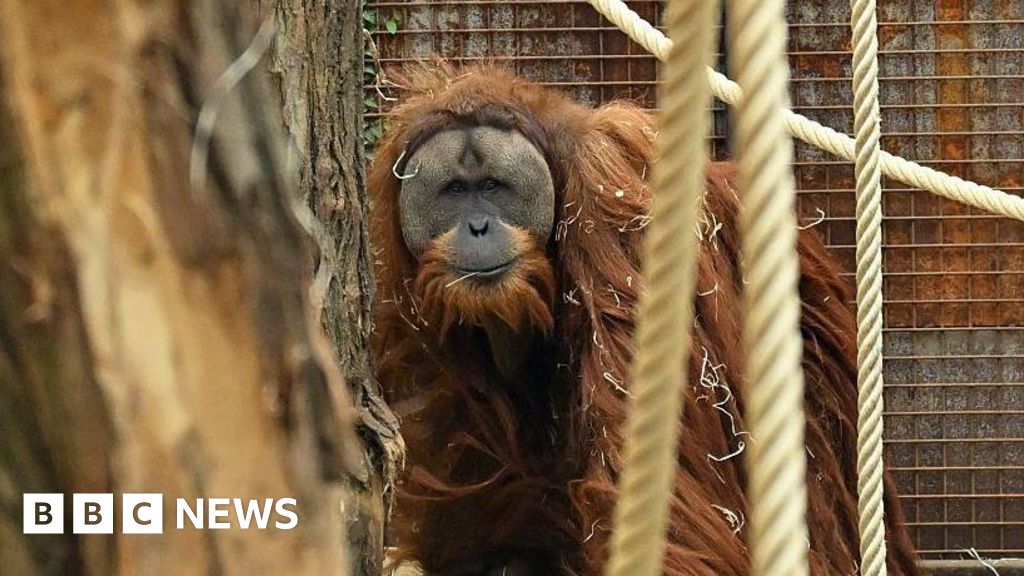
Four days of extreme rain and landslides in the Indonesian island of Sumatra have pushed the world's most endangered great apes even closer to extinction, says a study.
Research suggests that 58 of less than 800 critically endangered Tapanuli orangutans, or around 7% of the total species, were killed as a result of the extreme weather event last November.
Those are conservative figures, and do not take into account rain-induced canopy damage or reduced food availability, said the authors of the study published on Wednesday.
Cyclone Senyar ravaged Sumatra in late November, killing more than 1,000 people in Southeast Asia's deadliest natural disaster for 2025.
The study's findings, said the authors, show that extreme rainfall events can directly threaten the survival of great ape populations.
The damage to the island's wildlife, however, has been harder to quantify.
Wildlife experts and conservationists had previously observed that, in the wake of the storm, Tapanuli orangutan sightings had dissipated - fuelling speculation that the great apes may have been swept away by floods and landslides.
Professor Erik Meijaard, managing director of Borneo Futures in Brunei and an author of the study published on Wednesday, had told the BBC in December that Cyclone Senyar had likely killed about 35 orangutans – a loss which he said would constitute "a major blow to the population".