Fred Ramsdell
The 2025 Nobel laureate on the need for better science communication Claudio Bresciani/TT News Agency/AFP via Getty Images Fred Ramsdell is an immunologist and biotechnology entrepreneur who won the 2025 Nobel Prize in Physiology or Medicine with Mary Brunkow and Shimon Sakaguc
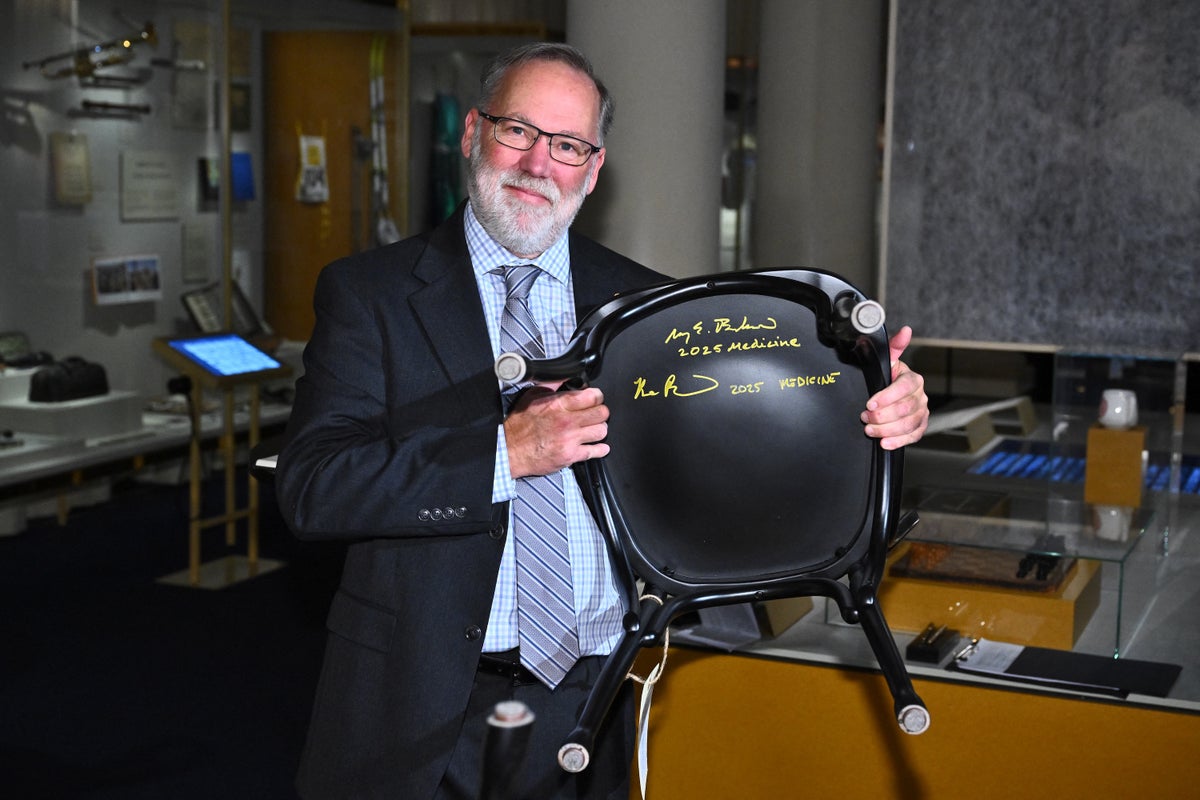
The 2025 Nobel laureate on the need for better science communication
Fred Ramsdell is an immunologist and biotechnology entrepreneur who won the 2025 Nobel Prize in Physiology or Medicine with Mary Brunkow and Shimon Sakaguchi for their work in understanding autoimmunity and inflammation. He is a scientific adviser for Sonoma Biotherapeutics.
How would you describe the current state of American science?
If you're enjoying this article, consider supporting our award-winning journalism by subscribing . By purchasing a subscription you are helping to ensure the future of impactful stories about the discoveries and ideas shaping our world today.
Challenging. I don’t think, in my professional career, we’ve had the level of disconnect, I would say, between what science is doing and public perception of science. [But] it’s not the first time. We've always had challenges. I actually read a speech from a colleague of mine from 1999–2000 where he complained about this very issue.
I think it is problematic, in part, because we, as the science community, have not been particularly good about communicating, and we have to, in my view, get back to a place where there is some level of trust and understanding—because if there’s no trust, why would you fund science? I don’t want to fund stuff with my tax dollars that I don’t trust.
How did we get to that point? I’m not sure. COVID, I think, certainly helped accelerate any underlying issues that existed. I think the scientific community didn’t do a great job in communicating and explaining and discussing what was going on and admitting, at times, when we had to pivot and make changes, right? It was a very dynamic situation, but I don’t think that's the entire reason for this. I won’t speak for physicists and chemists; they can talk for themselves. But certainly [in] the biomedical fields, I think, we have a big disconnect right now. And I think, if you want to take an economic view, a geopolitical view, the U.S. has led the planet for the past 100 years—in this field, 50 years—and we are at great risk of losing that leadership position. And I think that would be a mistake for us at many levels.
American scientists need to be much better communicators to people who aren't scientists.







