'Game-changing' cancer service approved for rollout
Last year, Laraine Chung discovered she had a tumour behind her left eye. Tests failed to identify its type so she faced losing her eye through complex surgery which could also affect her brain and face. But the 63-year-old carer from Peterborough had an option that many cancer
Last year, Laraine Chung discovered she had a tumour behind her left eye.
Tests failed to identify its type so she faced losing her eye through complex surgery which could also affect her brain and face.
But the 63-year-old carer from Peterborough had an option that many cancer patients in her position currently do not. She had Whole Genome Sequencing (WGS) at Addenbrooke's Hospital in Cambridge, which changed her outcome.
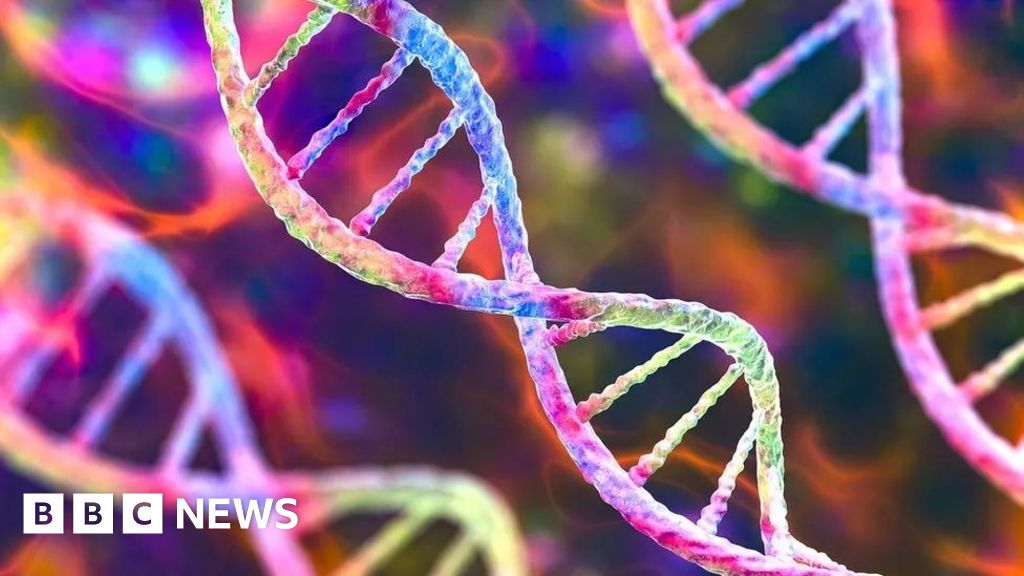
By analysing a patient's DNA, WGS is able to identify the types and causes of cancers and other genetic diseases - in Chung's case, a benign meningioma requiring less extensive surgery - and provide vital information to direct doctors to the best treatments.
"Without the test, I would have needed much more complex surgery, and it would have taken even more time to recover," the grandmother-of-four said.
"Getting the genetic results made everything clear. It was a long, anxious wait for the results but it was a huge relief for me and my family when they rang to say they knew what it was and that I wouldn't lose my eye."
WGS is available on the NHS, for all children with cancer (up to age 25) and adults with certain cancers including those with advanced ovarian cancers, triple negative breast cancers, some sarcomas and blood cancers, as well as cancers of unknown origin.
However, some patients currently cannot access it, because of the practicalities of transporting samples to regional testing labs, such as the one at Cambridge University Hospitals NHS Foundation Trust (CUH).