Heavy rains and flash floods in Bangladesh leave 51 dead
At least 51 people have died and more than a million affected by heavy rainfall in Bangladesh in recent days. Thousands have lost their homes as flash floods and landslides hit large parts of the cou
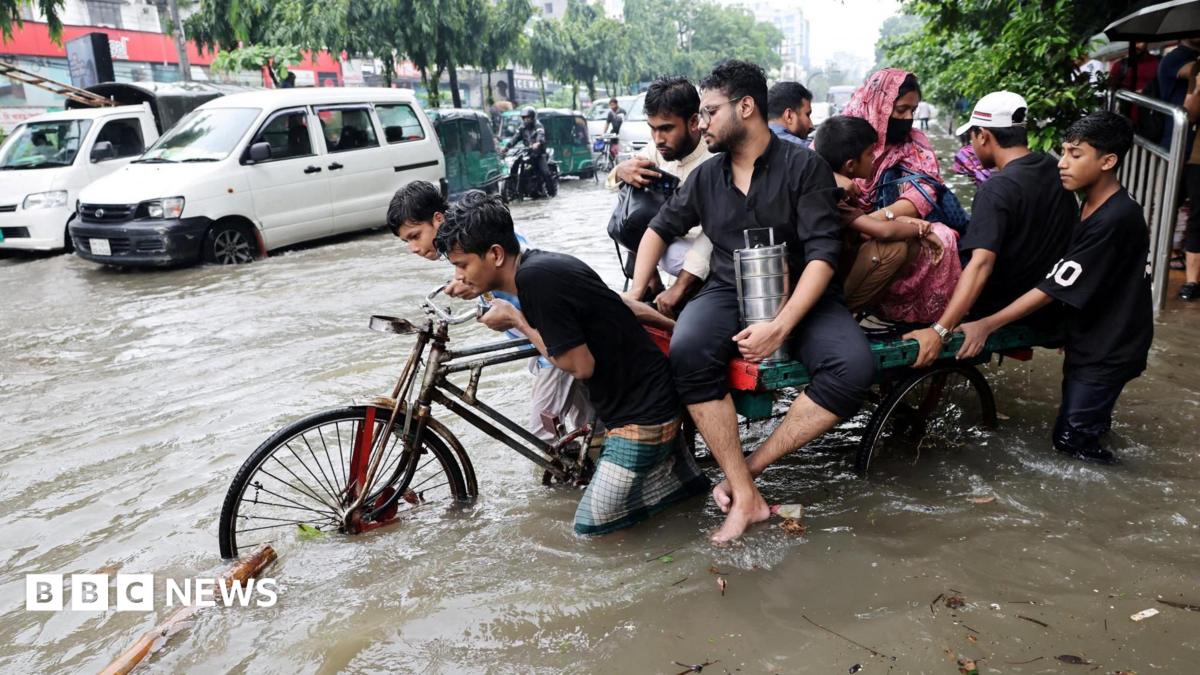
At least 51 people have died and more than a million affected by heavy rainfall in Bangladesh in recent days. Thousands have lost their homes as flas
Read Full Story at BBC World News →Why This Matters
The death toll from Bangladesh’s worst flooding in years underscores the country’s vulnerability to climate-driven disasters, where extreme weather patterns are no longer seasonal anomalies but increasingly routine catastrophes. Beyond the immediate humanitarian crisis, these events strain an already fragile infrastructure, exposing systemic gaps in disaster preparedness and relief coordination that have long plagued the nation.
Background Context
Bangladesh sits at the confluence of three major river systems, making it one of the most flood-prone countries in the world. Decades of unchecked urbanization, deforestation, and poorly regulated development have worsened drainage issues, while climate change has intensified monsoon patterns, turning what were once manageable inundations into life-threatening deluges. The government’s reliance on temporary measures—like sandbag barriers and reactive aid—often falls short against the scale of these disasters.
What Happens Next
With monsoon season still weeks away, authorities must brace for further flooding, particularly in low-lying districts where rivers are already swollen. The long-term recovery will hinge on whether lessons from past crises are heeded, including investment in resilient infrastructure and community-based early warning systems. International aid groups may face funding shortages as competing global disasters divert attention and resources.
Bigger Picture
This disaster aligns with a disturbing global trend: the exponential rise in climate-related fatalities in nations least equipped to adapt. Bangladesh’s plight mirrors similar crises in Pakistan and South Sudan, where extreme weather is eroding hard-won developmental gains. Without radical shifts in policy and global support, the cost of inaction will dwarf the short-term relief efforts now underway.