How Eriksen's heart device kicked into action
Footballer Christian Eriksen is in "good spirits" and is expected to be discharged from hospital soon, after he collapsed during an international match between Denmark and Ukraine on Sunday. The 34-year-old Dane, whose heart stopped following a cardiac arrest five years ago , wa
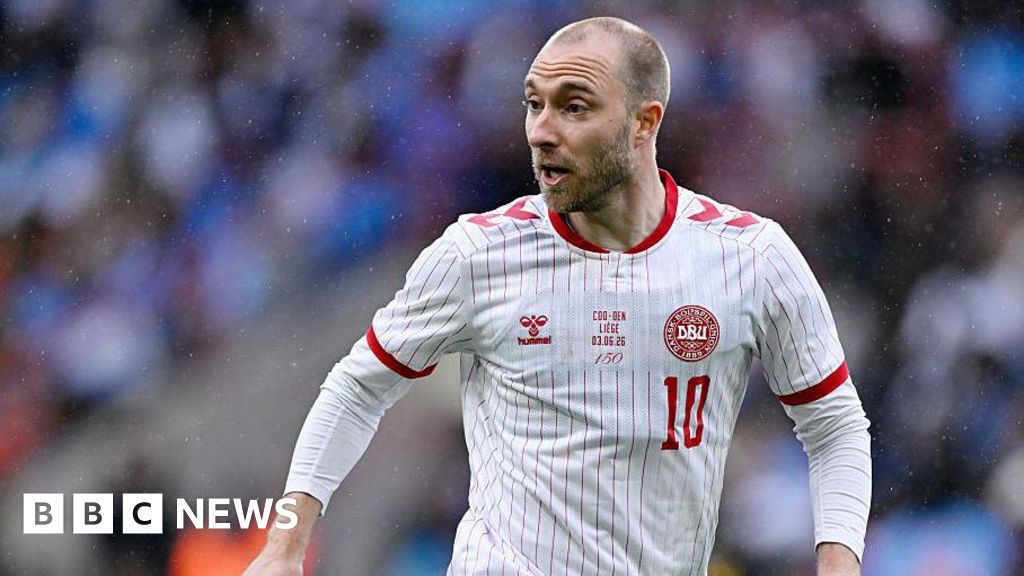
Footballer Christian Eriksen is in "good spirits" and is expected to be discharged from hospital soon, after he collapsed during an international match between Denmark and Ukraine on Sunday.
The 34-year-old Dane, whose heart stopped following a cardiac arrest five years ago , was able to walk off the pitch after regaining consciousness - thanks to a tiny device implanted in his chest, called an ICD (implantable cardioverter defibrillator).
Denmark's national team doctor Morten Boesen said the device - which he called a pacemaker - "responded as it should".
The ICD is a small life-saving device which detects problems with the heart's rhythm and immediately tries to correct them.
There are two main types of ICD - one is fitted under the skin, usually near the armpit and acts like a mini defibrillator with wires running under the skin to the chest.
The other main type is connected directly to the heart and, like a pacemaker, also sends regular electrical signals if the heart is beating too slowly.
In Eriksen's case, the ICD is likely to have delivered an electrical shock after detecting a dangerously fast or abnormal rhythm, to restore the heart to its normal pattern.
"It feels like being thumped in the chest," says Prof Aneil Malhotra, sports cardiologist at the Institute of Sport, Manchester Metropolitan University.