How heat makes it harder for students to learn
How heat makes it harder for students to learn As temperatures rise, the evidence is clear that heat is eroding students’ ability to learn By Claire Maldarelli edited by Andrea Thompson The end of…
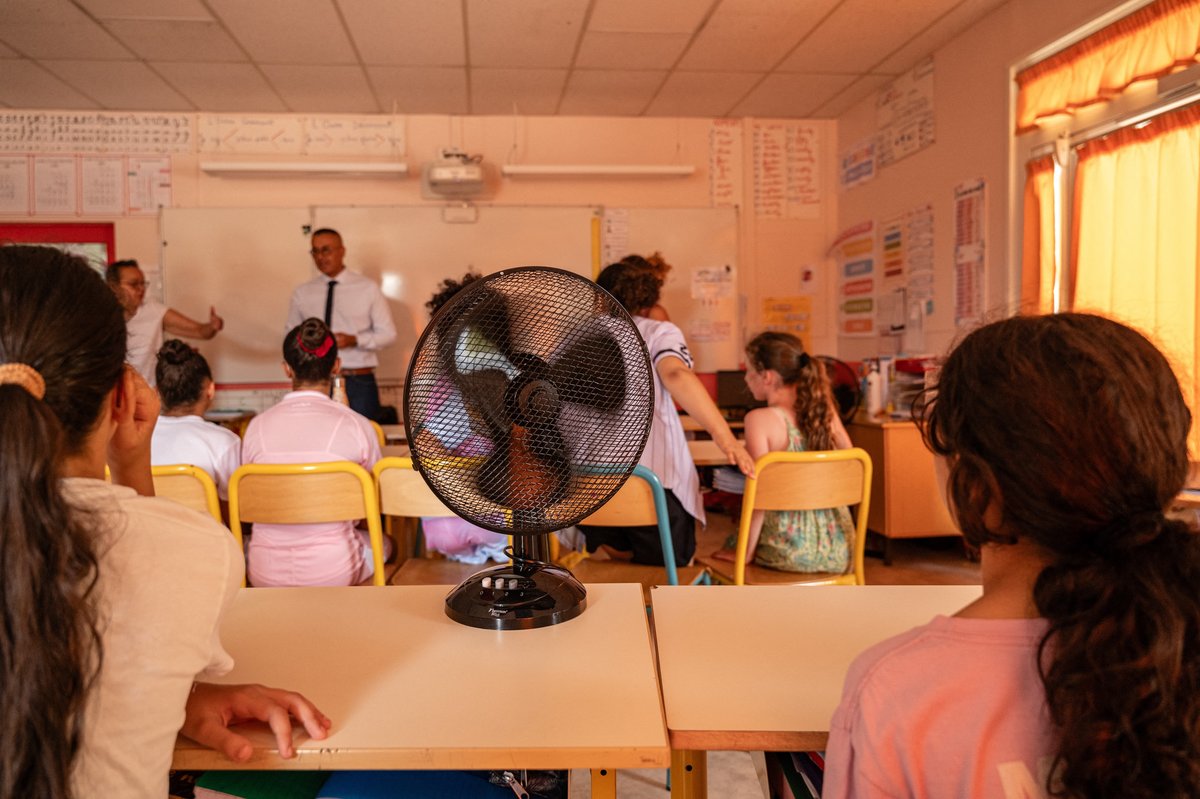
As temperatures rise, the evidence is clear that heat is eroding students’ ability to learn
The end of the 2025–2026 school year was plagued with heat waves across the country, with strings of 90-plus-degree Fahrenheit days in late March through June forcing early school dismissals and lost days due to extreme heat. The lengthening heat wave season is subjecting more students to more extreme heat—and research shows that besides just missed days of class, it means they’re having a harder time learning.
Studies consistently show higher temperatures are associated with lower academic performance, including standardized test scores in math, science and reading, according to a systematic review published this past July . The analysis folded together 14 studies from around the world, including four from the U.S. And lower scores can have major consequences: for example, one study found that higher temperatures on test days were associated with a lower probability of passing the New York State Regents exams, a series of standardized tests that has been required to graduate high school in the state.
Beyond the effect of one or two scorching days, cumulative temperature exposures over an entire school year also take a toll. In just one example, a study published in the American Economic Journal: Economic Policy that pooled data from 10 million U.S. students from 2001 to 2014 found that students who took the PSAT multiple times had lower scores in years with hotter school days than in cooler years.
If you're enjoying this article, consider supporting our award-winning journalism by subscribing . By purchasing a subscription you are helping to ensure the future of impactful stories about the discoveries and ideas shaping our world today.
But why does heat slow down learning? “There are several potential mechanisms,” says Emory University epidemiologist Christine Ekenga, senior author of last July’s review. “The most straightforward one is this physiological strain that’s associated with heat fatigue that can make it harder to focus and maintain attention, which can interfere with cognitive function.” Ekenga says thermal discomfort—the physical uncomfortableness of being exposed to heat—can also make it difficult for students to pay attention.
Those mechanisms highlight where schools can step in to mitigate the problem. “In our review, the most important finding was about air conditioning,” Ekenga says. In one study, “the schools that had full air conditioning experienced about one fifth the learning loss that was observed in schools without air conditioning.”
Schools in some regions, particularly the Northeast and Pacific Northwest, haven’t historically needed air conditioning as classes typically began and ended outside the summer heat season. But as temperatures continue to rise and heat waves bleed into spring and fall, there have been efforts in some cities and towns to install air conditioning in schools without it. In 2017, New York City launched an “AC for All” initiative to bring air conditioners to every public school room, but the Department of Education is not required to make sure the units are properly functioning, and the effort didn’t extend to areas such as cafeterias. A 2025 report showed that one fifth of NYC classrooms still lacked air conditioning.
Read Full Story at Scientific American →