Iliana Yotova wins Bulgaria's presidential election with 57.6% of votes
Iliana Yotova won Bulgaria's presidential runoff with 57.6% of the vote, focusing her campaign on a "peace" platform and opposing military involvement in Ukraine. Her victory could significantly infl…
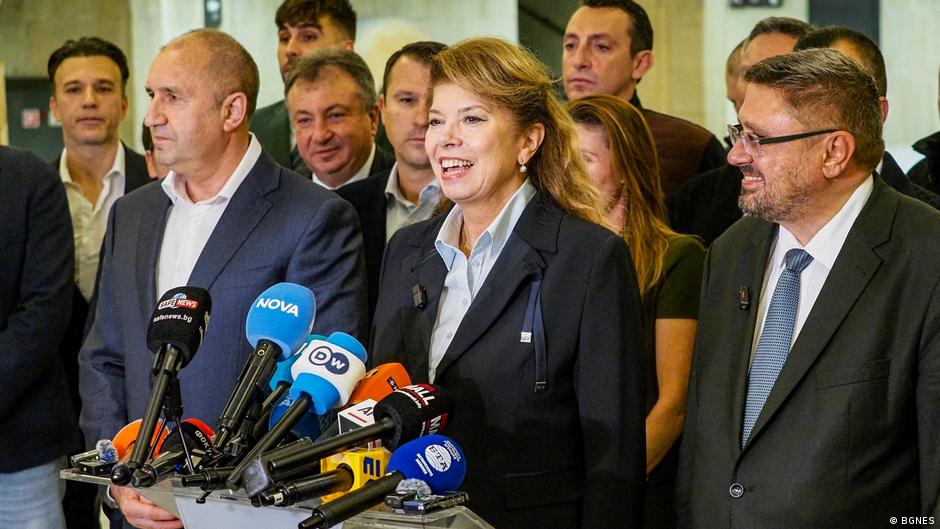
Iliana Yotova won Bulgaria’s presidential runoff on Sunday, securing 57.6% of the vote against former caretaker prime minister Andrey Gyurov’s 39.5%, according to the official count. The election, held under a high‑turnout ballot, marked a decisive victory for the incumbent who campaigned on a platform of “peace” and opposition to sending Bulgarian troops to Ukraine.
The contest turned into a de facto referendum on Bulgaria’s foreign policy. Prime Minister Rumen Radev framed the choice as “war or peace” in the weeks leading up to the vote, emphasizing the country’s stance on the Ukraine conflict. When the campaign began on September 25, Yotova led the polls at 44.5% while Gyurov trailed at 26.1%, but the first round narrowed the gap to 34.8% for Yotova and 31.9% for Gyurov, forcing a runoff. Yotova’s backing from Radev’s Progressive Bulgaria party, which won an absolute parliamentary majority in April, helped consolidate her position despite the tighter than expected first‑round results.
Analysts say the electorate remains split along generational and geographic lines. Younger voters, aged 18‑40, favored Gyurov, whereas those over 40 leaned toward Yotova. Gyurov performed best in Sofia, the capital, while Yotova dominated in smaller towns and rural areas. The candidates also differed in campaign style: Gyurov relied heavily on social‑media outreach, while Yotova held closed‑door events with Progressive Bulgaria supporters, repeatedly stressing that no Bulgarian soldier would be sent to Ukraine—a promise that conflicts with the constitutional role of the president, which limits such decisions to parliament. Throughout the race she labeled her opponents “warmongers” and called herself the “president of peace,” echoing Radev’s own rhetoric of dialogue with Russia and criticism of Western aid to Kyiv.
Yotova’s victory is likely to shape Bulgaria’s approach to the war in Ukraine and its relationship with the European Union. With both the president and prime minister publicly opposing further military assistance to Kyiv, Sofia may pursue a more neutral diplomatic line, seeking engagement with Moscow while maintaining its EU commitments. The result also underscores a deep domestic divide that could influence future elections, as younger, pro‑European voters push for a different foreign‑policy direction than the older, more sceptical majority that backed Yotova’s peace‑first message.
Read Full Story at DW World →