Suzanne Simard finds mother trees sustain forests via fungal networks
Suzanne Simard’s research shows mother trees support forest ecosystems by sharing resources and information through fungal networks, proving forests are cooperative systems. Preserving these trees and
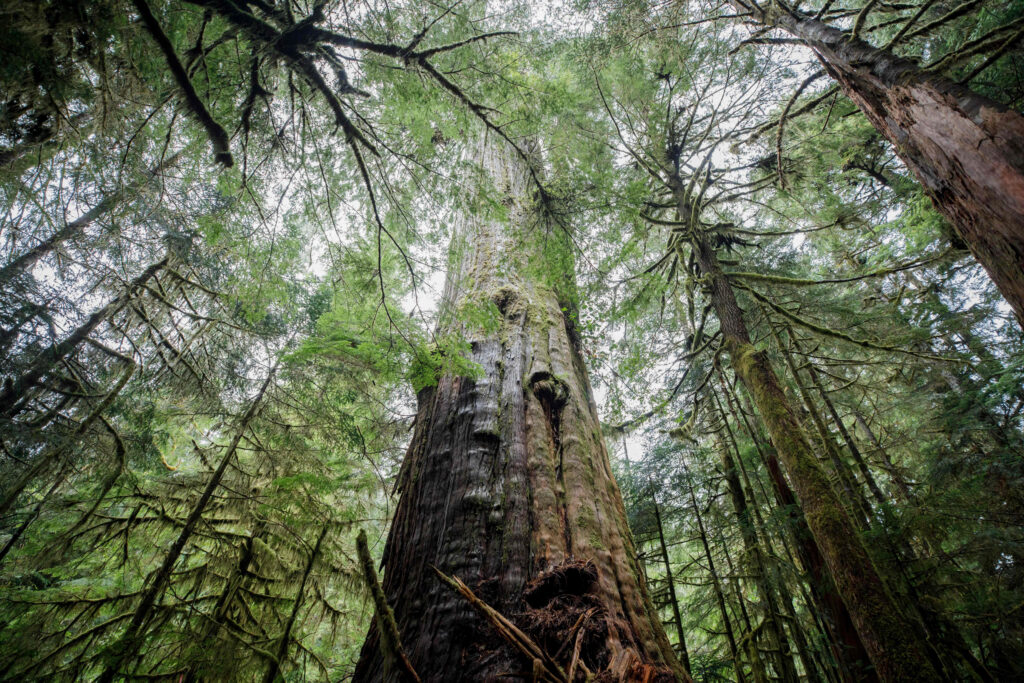
Forest scientist Suzanne Simard has shown that ancient “mother trees” – massive, old-growth conifers – secretly feed, warn and even nurse younger tree
Read Full Story at Inside Climate News →Why This Matters
The discovery of "mother trees" and their role in forest resilience challenges the long-held myth of forests as purely competitive ecosystems. It underscores a fundamental shift in ecological understanding—one that could reshape conservation strategies and our relationship with nature. By recognizing forests as cooperative networks, we gain new tools to address biodiversity loss and climate change.
Background Context
For decades, forestry science operated under the assumption that trees competed for resources like sunlight and nutrients. Research by ecologists like Simard has dismantled this view, revealing instead a hidden web of communication and resource-sharing. This work builds on earlier studies of mycorrhizal networks but has only recently gained mainstream attention, partly due to the urgency of climate-driven forest degradation.
What Happens Next
As this research gains traction, expect greater emphasis on protecting mature trees in logging operations and reforestation efforts. Policymakers may integrate fungal network awareness into land-use regulations, though resistance from industries reliant on traditional forestry practices could slow progress. The next frontier lies in quantifying these networks’ roles in carbon sequestration and drought resilience.
Bigger Picture
This paradigm shift aligns with a growing recognition of nature’s interconnectedness, from coral reefs to soil microbiomes. It also mirrors broader societal moves toward systemic thinking in sustainability. As climate change accelerates, such cooperative models could become central to ecological restoration, challenging extractive industries to adapt or face obsolescence.







