How the war in Iran is affecting your dinner plate
How the war in Iran is affecting your dinner plate Agriculture is at risk of a crisis because of this Middle East conflict. The reason why has to do with how fertilizer is made By Jackie Flynn Mogensen edited by Claire Cameron The U.S.-Israeli war with Iran has put a choke hol
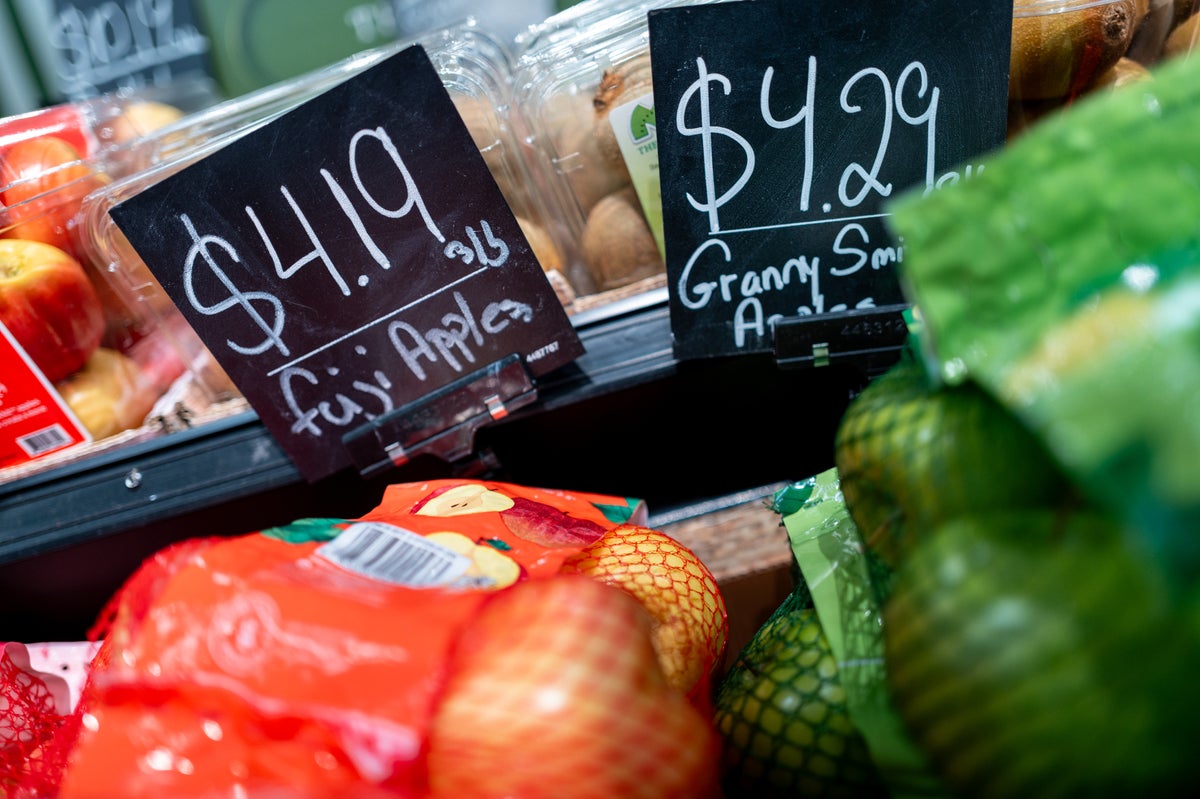
Agriculture is at risk of a crisis because of this Middle East conflict. The reason why has to do with how fertilizer is made
The U.S.-Israeli war with Iran has put a choke hold on the vital Strait of Hormuz waterway, leading fuel prices to skyrocket and jeopardizing global stocks of critical resources—including fertilizer.
Since the war began, global nitrogen fertilizer prices have jumped, sending agriculture officials around the world scrambling to offset costs and shore up supplies before the shortage hits food crops. Between February, when the war began, and mid-May, U.S. prices for urea , a common fertilizer, jumped from around $460 per ton to nearly $600 per ton.
The reason why fertilizer is in such jeopardy has to do with how it is manufactured: To make urea, for instance, producers in the U.S. often rely on natural gas both as an ingredient and as a fuel source, explains Asim Biswas, a professor in the school of environmental sciences at the University of Guelph in Ontario. Although the U.S. does not rely on natural gas from the Middle East, about 20 percent of the world’s liquified natural gas passes through the Strait of Hormuz, and the disruption of this supply has caused prices to increase globally. The consequence of the effect on fertilizer is higher food costs—and perhaps even food shortages.
If you're enjoying this article, consider supporting our award-winning journalism by subscribing . By purchasing a subscription you are helping to ensure the future of impactful stories about the discoveries and ideas shaping our world today.
“All this uncertainty is happening from a global scale to the farmer’s field,” Biswas says, “which we are going to see, as the general public, on our grocery bill and on the dinner plate.”
To make urea fertilizer, manufacturers use an energy-intensive method called the Haber-Bosch process, which uses methane—the primary component of natural gas—and atmospheric nitrogen to make ammonia. That ammonia is then converted into urea.
In the face of soaring fertilizer and energy costs, it may make sense to ask, “Why not just use less?” Without synthetic nitrogen fertilizer, researchers estimate farmers could only feed around half of the approximately eight billon people on the planet.







