Space rocks: asteroids, comets, meteors, meteorites explained
Ancient space rocks are classified as asteroids (rocky), comets (icy), meteors (burning up in atmosphere), or meteorites (landed on Earth). These objects reveal the solar system’s 4.6-billion-year his
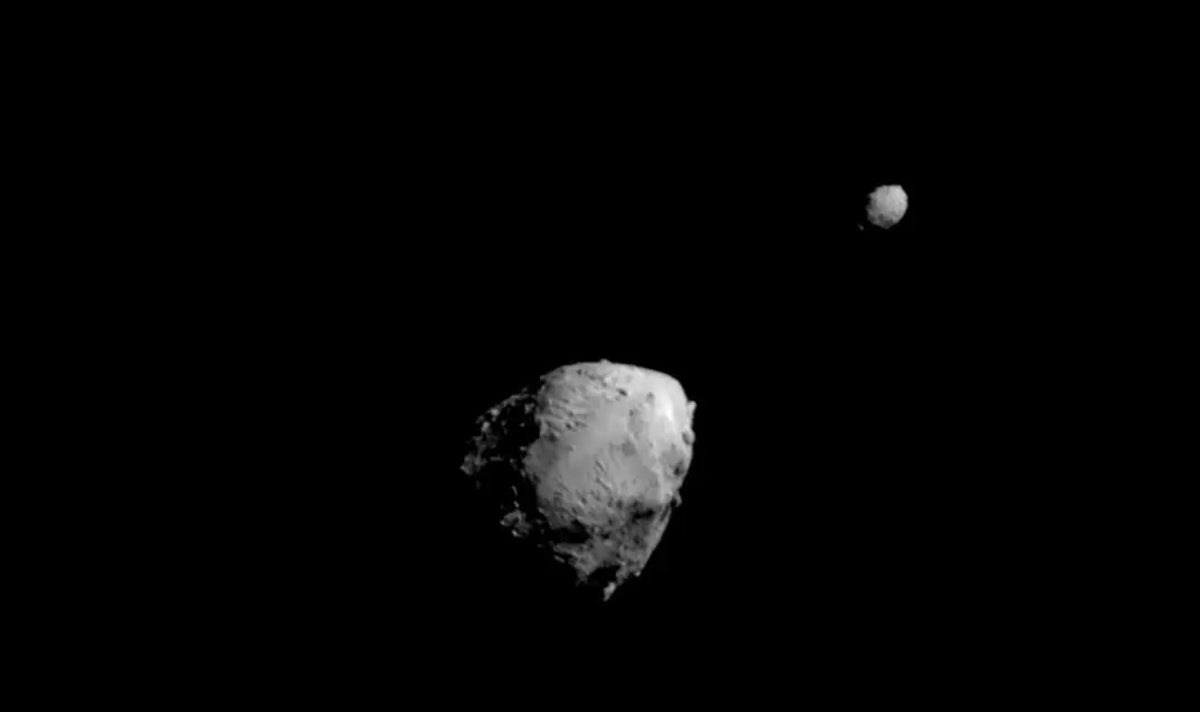
A streak of light flashes across the night sky, gone in a second. What you just saw wasn’t a star dying—it was the final moments of a space rock endin
Read Full Story at Scientific American →Why This Matters
The distinction between comets, asteroids, meteors, and meteorites isn’t just academic—it’s a window into the solar system’s violent, chaotic past. These objects preserve the raw materials from which planets formed, offering clues about Earth’s own origins and the potential for life elsewhere. Understanding their differences also sharpens our ability to assess real threats, like an asteroid strike, versus fleeting cosmic spectacles.
Background Context
For centuries, humans have marveled at streaking lights in the sky—often conflating them as the same phenomenon. Only in the last 200 years did science begin unraveling their true nature: ancient relics from the solar nebula, some dating back 4.6 billion years. The distinction gained urgency during the Space Age, when NASA and other agencies realized these objects could reveal secrets of planetary formation—or even rewrite the story of Earth’s early bombardment.
What Happens Next
As astronomers deploy next-generation telescopes, the line between these objects may blur further, with hybrids like "main-belt comets" challenging traditional definitions. Meanwhile, planetary defense initiatives like NASA’s DART mission and the Vera C. Rubin Observatory’s upcoming survey will rely on precise categorization to prioritize threats and potential scientific targets. The public’s role, too, is evolving—crowdsourced tracking and citizen science projects could democratize discovery.
Bigger Picture
This isn’t just about classifying rocks—it’s part of a broader shift in how we view our place in the cosmos. The same techniques used to study these objects are now probing exoplanetary systems, raising questions about whether Earth-like worlds bear the same scars of cosmic bombardment. As space tourism and asteroid mining inch closer, the stakes for accurate classification grow from purely scientific to economic and even legal.







