How to walk 30 minutes a day - your tips
Hundreds of people have shared the habits that help them walk every day after the BBC revealed plans for an NHS-backed scheme that will reward people for regular exercise. NHS England's "marathon a mo
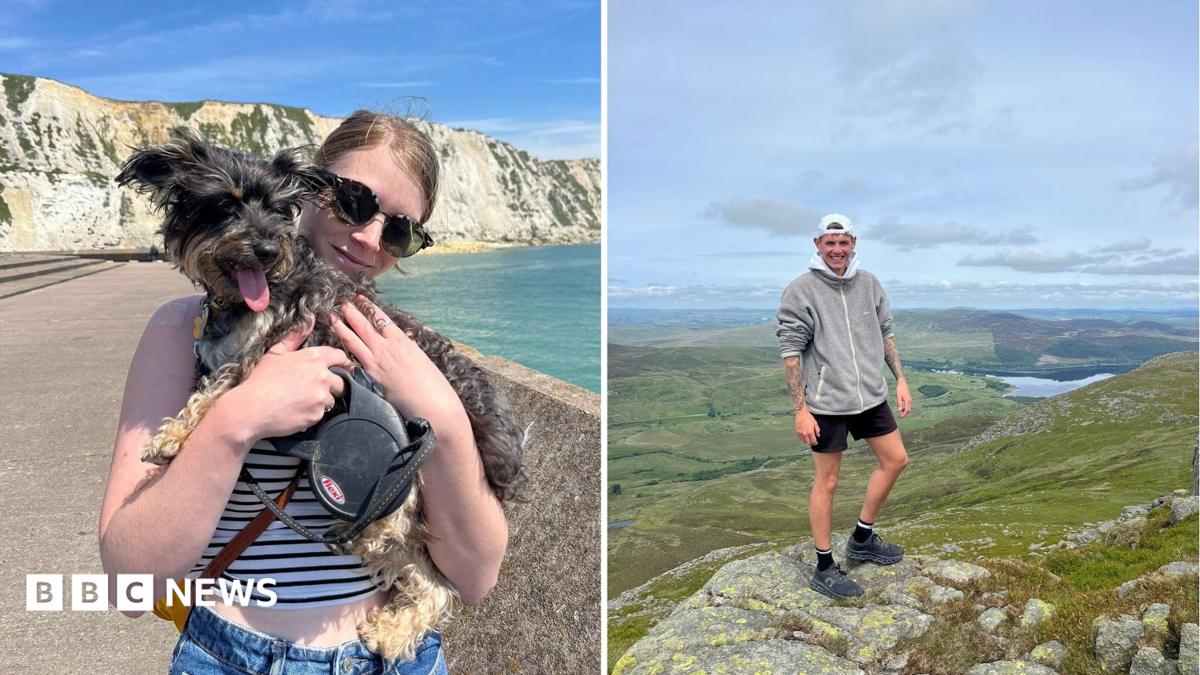
Hundreds of people have shared the habits that help them walk every day after the BBC revealed plans for an NHS-backed scheme that will reward people
Read Full Story at BBC Health →Why This Matters
The NHS's push to incentivize daily walking reflects a growing recognition that small, consistent habits—like 30-minute strolls—can deliver outsized health benefits at minimal cost. It underscores a shift away from reactive medical interventions toward preventive wellness, particularly in an era where chronic conditions like diabetes and heart disease strain public health systems.
Background Context
Britain's public health system has long grappled with sedentary lifestyles, with nearly two-thirds of adults failing to meet recommended activity levels. The NHS's previous experiments with exercise incentives, such as the "Healthier You" diabetes prevention program, have shown modest success but also highlighted the challenge of sustained behavioral change.
What Happens Next
If the pilot scheme proves effective, it could expand into a national program, potentially integrating with existing health apps or wearable devices. Skeptics will scrutinize whether rewards alone can overcome barriers like time constraints or urban design flaws that discourage walking in many communities.
Bigger Picture
This initiative aligns with broader global trends in "social prescribing," where doctors recommend lifestyle activities over prescriptions. It also mirrors corporate wellness programs that use gamification to drive engagement, raising questions about whether such models can truly transform public health—or just deepen inequalities between motivated and marginalized groups.