Gold Coast mother humpback whale mourns dead calf for days
A mother humpback whale off the Gold Coast was observed mourning her dead calf for hours, displaying behaviors typical of caregiving. This rare observation could reshape understanding of cetacean emo…
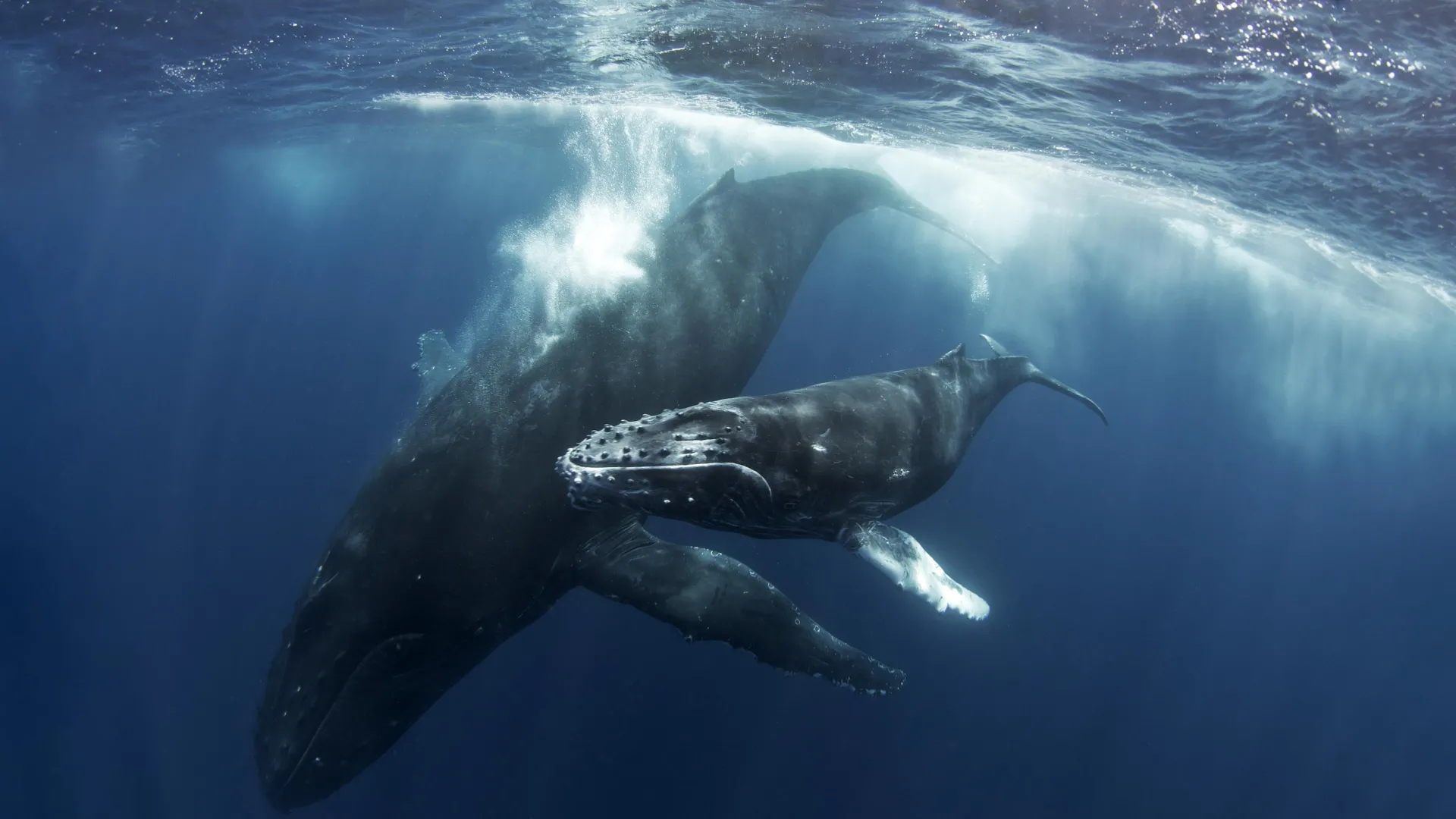
A mother humpback whale was seen staying beside her dead calf for hours, possibly days, off the Gold Coast of Queensland on 12 May 2024. Researchers from the Queensland Marine Science Centre filmed the adult whale hovering close to the lifeless calf, keeping eye contact and gently nudging it with her rostrum. The behavior matched caregiving actions normally seen with live offspring, suggesting the mother may have been mourning.
Scientists say the observation is rare because most whale deaths go unnoticed at sea. Humpback calves are born after a ten‑month gestation and rely entirely on their mothers for food and protection. When a calf dies, it is usually quickly abandoned, and the loss is difficult to document. This case provides a unique window into the emotional lives of cetaceans, a group already known for complex social bonds, vocal learning, and cooperative hunting. The incident also arrives amid growing interest in marine mammal cognition, spurred by recent studies that link whale songs to cultural transmission and problem‑solving.
The research team, led by marine biologist Dr Lydia Chen, reviewed more than 30 hours of drone footage captured by a coastal monitoring program. The mother remained within two metres of the calf for at least eight continuous hours, resurfacing together and synchronizing breaths. When the calf floated motionless, the adult repeatedly rolled over it, a behavior interpreted as “protective covering” in live calves. Dr Chen noted that the whale’s heart rate, measured via a non‑invasive hydrophone, stayed elevated compared to typical resting levels, indicating heightened arousal. The team has submitted the findings to the journal *Marine Mammal Science* and plans to compare the footage with other recorded instances of cetacean bereavement.
If confirmed as grief, the case could reshape how scientists assess whale welfare and influence conservation policies. It may prompt the development of protocols to monitor and support grieving mothers, especially in regions with high ship traffic and fishing activity. The researchers hope the video will encourage broader public awareness of the emotional capacities of marine mammals and drive funding for long‑term behavioral studies. Future work will focus on gathering more systematic data on post‑mortem interactions, aiming to determine whether mourning is a widespread trait among humpbacks or an isolated occurrence.
Read Full Story at ScienceDaily →