ICC prosecutor Karim Khan suspended by UK's Bar Standards Board
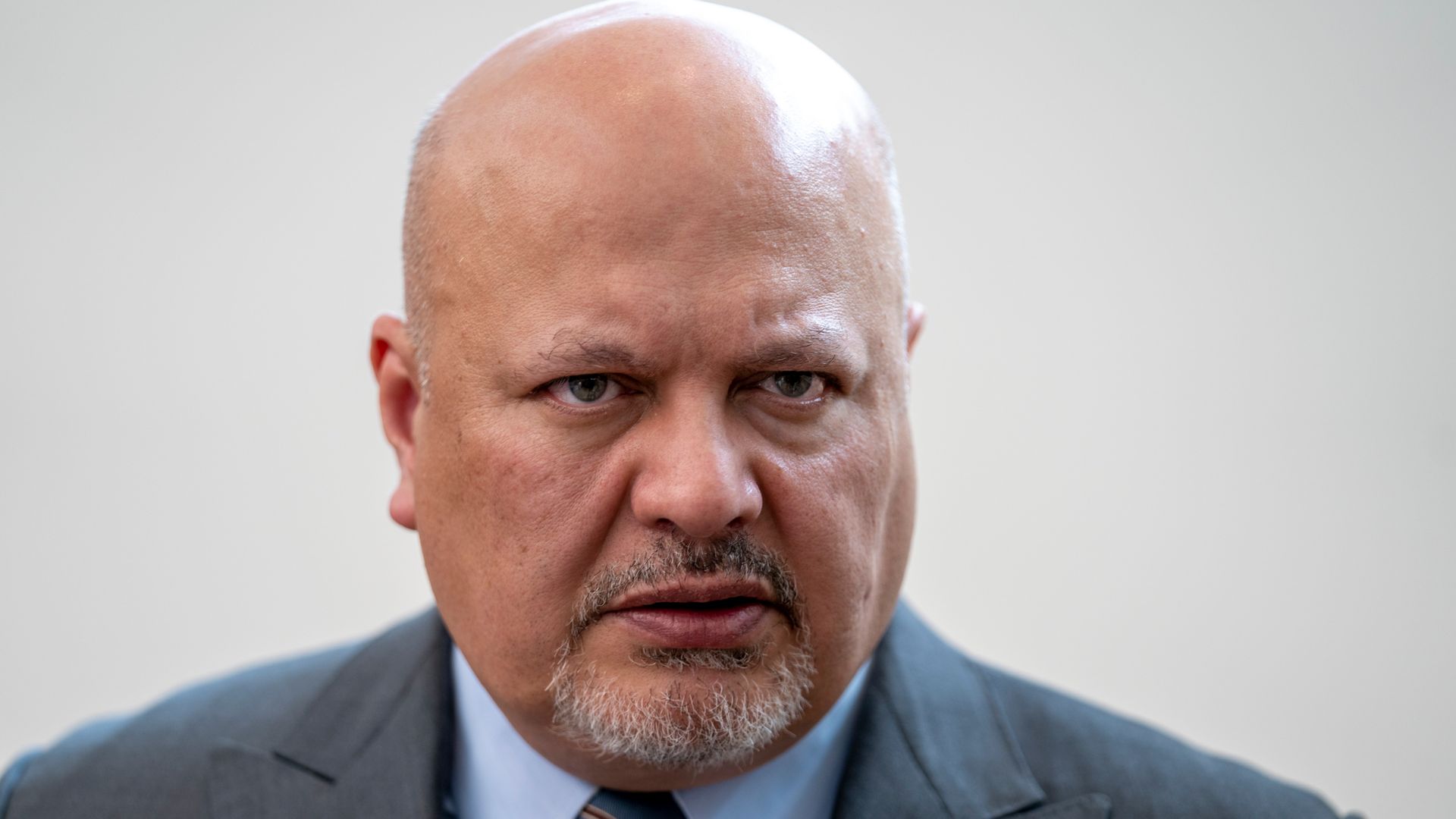
The UK's Bar Standards Board (BSB) said it has imposed an interim suspension on Karim Khan, chief prosecutor of the International Criminal Court (ICC).
Sky News — 19 June 2026
Text:
7
0
0
The UK's Bar Standards Board (BSB) said it has imposed an interim suspension on Karim Khan, chief prosecutor of the International Criminal Court (I
Read Full Story at Sky News →
⚡ Quickyla Analysis
Original editorial context — not sourced from the article above
The suspension of Karim Khan, the chief prosecutor of the International Criminal Court (ICC), by the UK’s Bar Standards Board (BSB) marks a rare and consequential clash between international justice and domestic legal oversight. While the specifics of the suspension—whether tied to professional conduct, ethical breaches, or procedural concerns—remain undisclosed, the move carries weight far beyond Khan’s individual role. It signals rising scrutiny over the ICC’s actions, particularly in its high-stakes investigations involving powerful actors, and raises questions about the interplay between national legal systems and international institutions. For a court already navigating geopolitical resistance, this development risks further undermining its perceived independence, even if the suspension is temporary.
The ICC’s mandate to prosecute genocide, war crimes, and crimes against humanity has long drawn criticism from states wary of its reach, with the U.S., Russia, and Israel among those refusing to recognize its jurisdiction. Khan’s tenure has been defined by contentious cases, including the court’s pursuit of arrest warrants for figures like Russian President Vladimir Putin over the Ukraine war and the investigation into alleged Israeli crimes in Gaza. The BSB’s intervention—though framed as a professional standards issue—could be interpreted as a political signal, especially given the UK’s own strained relationship with the ICC. London has supported the court’s work in some contexts but has also faced pressure to distance itself from cases implicating allies like Israel.
What happens next remains unclear. If the suspension is upheld, Khan’s ability to lead the ICC’s most sensitive cases could be hamstrung at a critical moment. The court’s legitimacy hinges on the unassailable authority of its prosecutors, and any perception of external interference risks emboldening opponents of international justice. Meanwhile, the broader question lingers: how far can domestic legal bodies go in policing the conduct of officials operating under international law? As the ICC grapples with enforcement challenges, this episode underscores a growing tension between the sovereignty of national legal systems and the global pursuit of accountability—a debate that will only intensify as the court’s cases grow more polarizing.
Sources

🌍 World News
Man fleeing police attacked by alligator before continuing his getaway, Louisiana authorities say
🌍 World News
US crude exports hit record high in May as Iran war tightens global oil supplies

🌍 World News
Agitators outside Delaney Hall set up organized logistics operation before Newark protests began

🌍 World News
French doctors sound alarm over drinking water pollution

🌍 World News
Iran, Kuwait, Bahrain hit: Is the war in the Gulf escalating again?

🌍 World News
Four people trapped in flooded cave in Laos pulled to safety

