China releases 72 five-year plans prioritizing climate change initiatives.
China's recent release of 72 five-year plans, with nearly 75% addressing climate change, showcases a significant commitment to integrating low-carbon objectives into national policies. This shift aim…
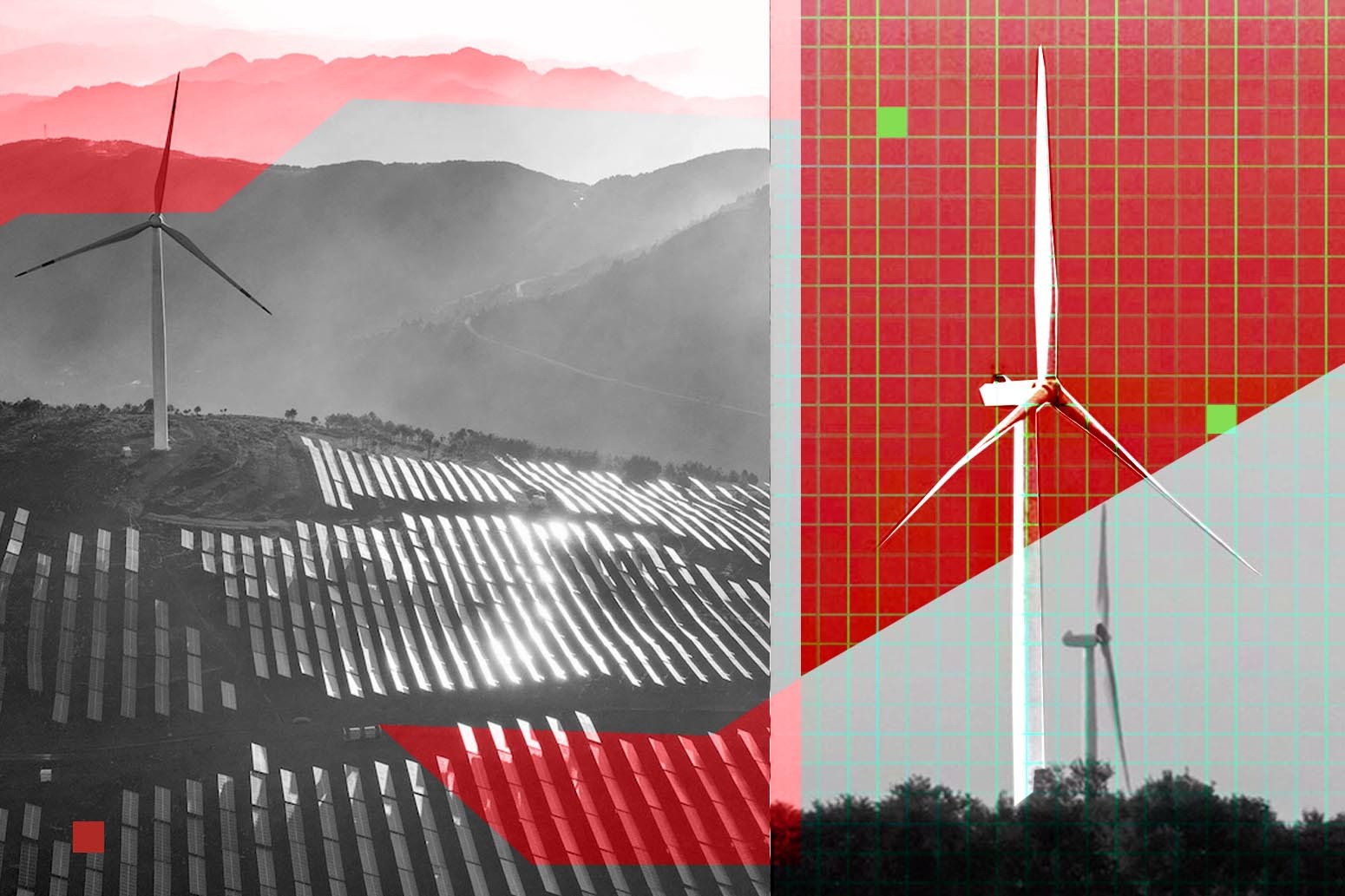
China released 72 five‑year plans this year, and almost three‑quarters of them contain policies or targets that address climate change, according to a new analysis by Carbon Brief. The plans, which guide local and sectoral development from 2024 to 2028, range from city‑level roadmaps to industry‑wide strategies. Their inclusion of climate language marks a significant expansion of the government’s formal planning toolkit on emissions.
The move matters because China’s five‑year plans are the nation’s primary instrument for steering investment, production and regulatory priorities. Since the 2020 pledge to peak carbon emissions before 2030 and achieve net‑zero by 2060, the central government has been under pressure to translate those goals into concrete actions. Earlier planning cycles featured only a handful of climate references, but the latest round shows a systematic effort to embed low‑carbon objectives across the board. Analysts say the shift reflects both domestic concerns over air quality and energy security, and growing international scrutiny of China’s role in the global climate agenda.
The Carbon Brief review found that 54 of the 72 plans set specific targets for renewable energy capacity, carbon‑intensity reduction or coal phase‑down. Provinces such as Shandong and Henan now aim to cap new coal projects and boost wind and solar installations by at least 15 percent annually. The manufacturing sector is being urged to adopt greener processes, with a target of cutting energy use per unit of output by 10 percent. Officials in Beijing hailed the integration as “a decisive step toward meeting our climate commitments,” while environmental NGOs warned that the real test will be enforcement, noting past gaps between plan language and on‑ground outcomes.
Implementation will be monitored through the State Council’s regular performance reviews, which now include climate metrics alongside economic indicators. Local governments are expected to submit quarterly progress reports, and the Ministry of Ecology and Environment will issue compliance guidelines. If the targets are met, China could add roughly 200 GW of renewable capacity by 2028 and reduce its coal consumption by 10 percent, a shift that would lower global emissions by an estimated 0.3 gigatonnes per year. The next round of five‑year plans, due in 2029, will likely build on these benchmarks, shaping the country’s climate trajectory for the next decade.
Read Full Story at Carbon Brief →